

Stop Letting Water Kill Your Infrared Heaters
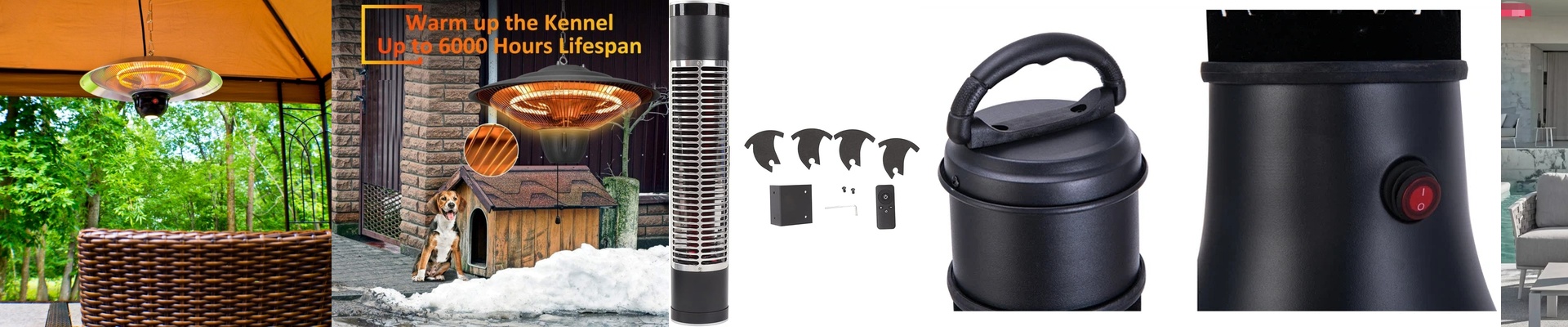
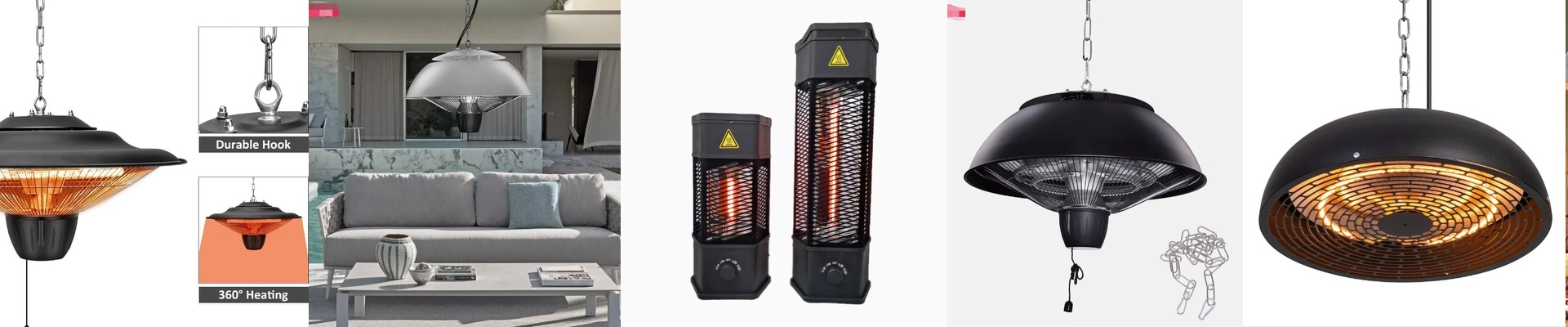
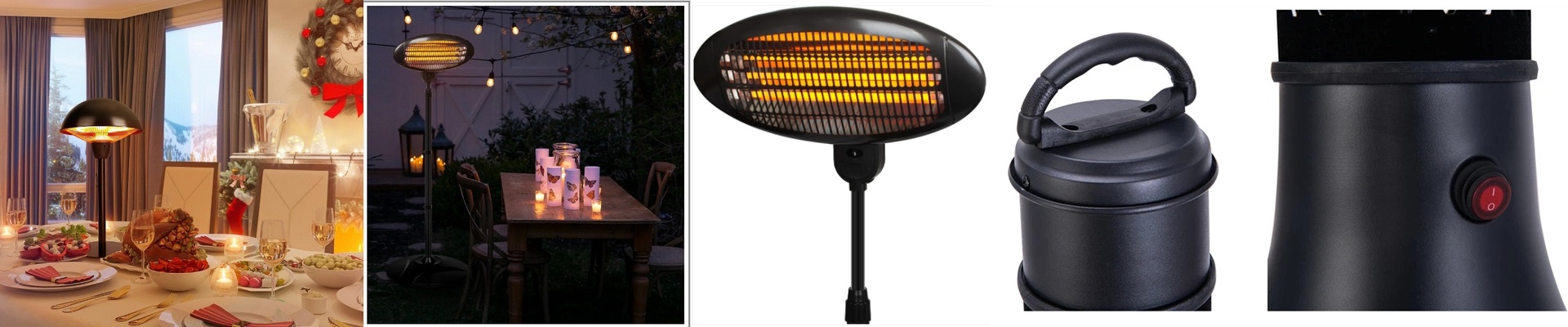
Let’s be honest: water and infrared heaters are a terrible match. If you’re running a shop or a factory, you know the drill. A random splash or a spike in humidity hits the heating element, and suddenly you’ve got a short circuit and a dead filament. It’s frustrating, it’s expensive, and it stops production dead in its tracks. That’s exactly why we built our latest series with IPX4 splash-proofing. We wanted something that could actually survive a gritty work environment.
What “IPX4” actually means for you
In plain English? It means you don’t have to panic when water splashes the unit from any angle. We did this by sealing up the electrical junctions and using gaskets that keep liquids far away from the high-voltage terminals. It’s simple, but it works. Then there’s the fogging issue. Most people don’t think about it, but moisture condensing on the quartz tube or the reflector is a silent killer. It creates a thermal barrier, which forces the lamp to work overtime and run way hotter just to hit the target temperature. That’s how you burn out a tungsten filament prematurely. Our anti-fogging treatment keeps the optical path clear. The heat goes exactly where it’s supposed to go, without scattering or wasting energy.
Why this matters for your bottom line
Standard heaters usually give up the ghost the moment the humidity spikes or someone starts a wash-down cycle. By keeping the internal guts isolated from the mess, we stop the corrosion that usually eats through your connectors. You get a rock-solid electrical connection that doesn’t arc or pit over time.It just stays stable.
The trade-off (Because nothing is perfect)
Here is the catch: those splash-proof seals take up a bit more room. You can’t jam these units together as tightly as you could with an open-frame heater. When you’re planning your layout, just make sure you leave a little extra breathing room so the seals don’t trap heat against the chassis. We built these for the real world—the kind of places that are wet, dirty, and loud. If you wire them up right and keep an eye on the seals, these units will take a beating and keep humming along long after a standard heater would have fried.