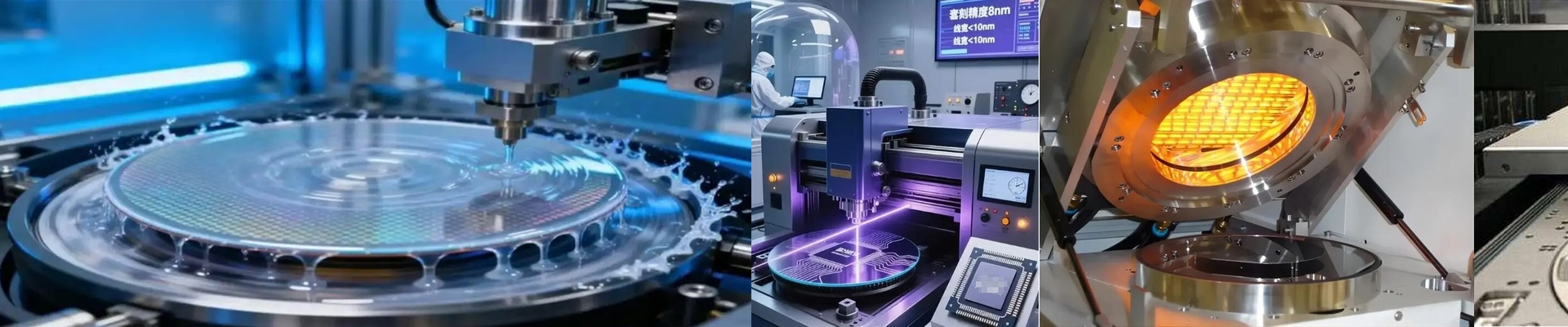
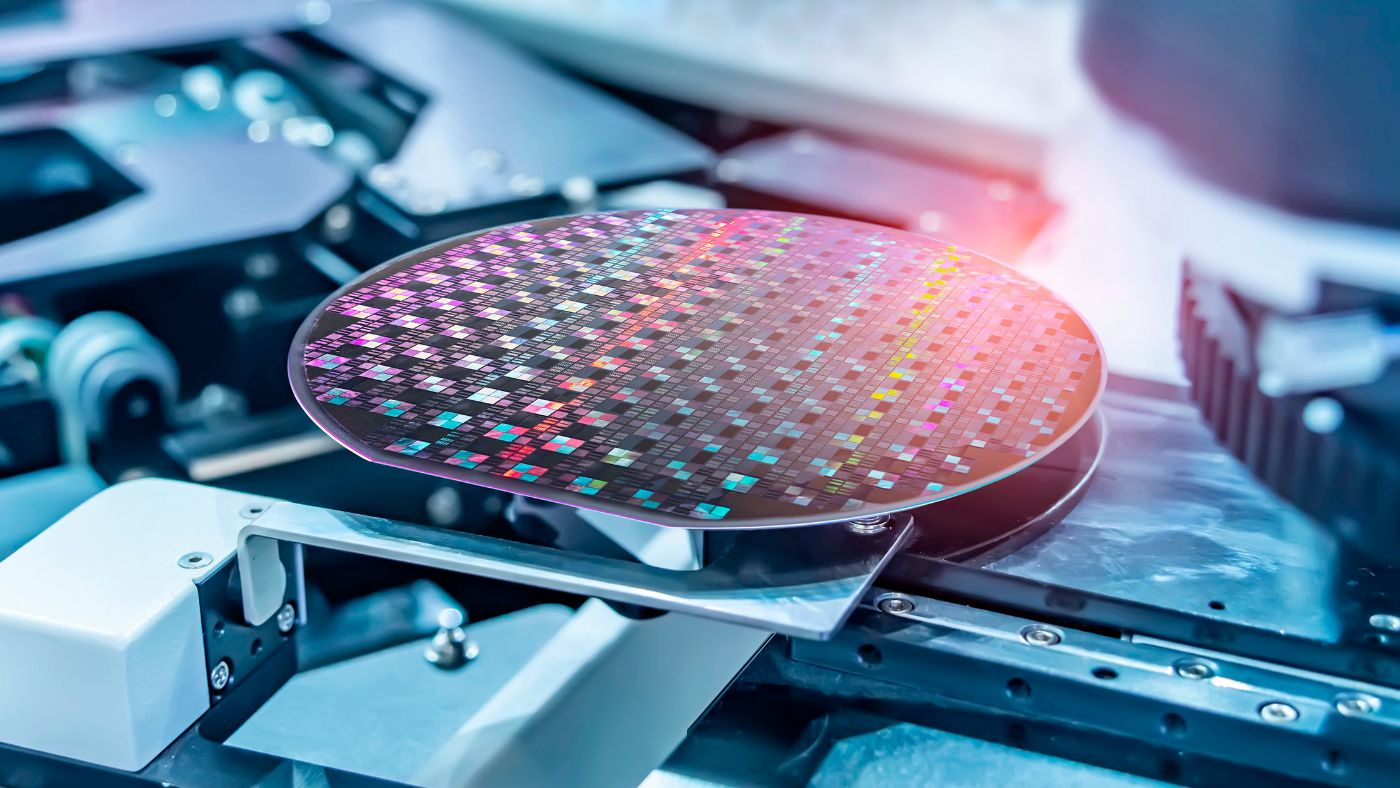
On the fab floor, thermal excursions aren’t just inefficiencies—they’re yield killers. A soft bake that drifts even a degree spreads photoresist thickness, and a half-baked dry leaves water behind that sabotages pattern integrity. Linear infrared heating emitters cut through that risk by dumping controllable energy straight onto the target. What matters, technically We spec linear IR emitters around repeatable wavelength control and tight thermal uniformity, holding ±0.1°C stability across the heated zone. Response is fast, so temperature settles quickly for soft bake, hard bake, and cure without blowing the thermal budget. Cleanroom compatibility is built in: low particle emission materials, sealed housings, and exhaust routing that keeps Class 1–100 environments in spec. The system runs 24/7 with predictable maintenance intervals, so you don’t get blindsided by downtime during litho and track integration. Why it works in practice In wafer drying, the emitter heats the substrate directly, breaking the surface tension that traps water and giving you defect-free drying without spin-related edge effects. For photoresist processing, that same control translates into consistent soft bake and hard bake profiles, improving critical dimension uniformity and cutting rework. Energy use drops because the heat is targeted and brief, and process windows widen because temperature repeatability holds, lot after lot. Here are the things you need to get right Installation means aligning precisely to the wafer path and tying into the track’s thermal management and exhaust. Output density has to match substrate size and emissivity; thin films and low-emissivity layers need tailored power profiles to avoid hot spots. Plan on routine calibration of temperature sensors and periodic emitter checks to keep the uniformity where it needs to be over time.