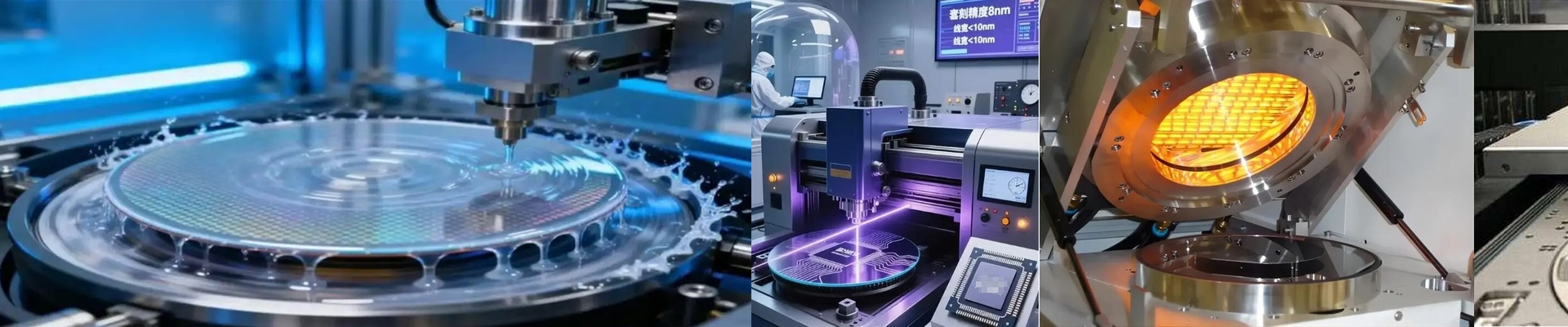
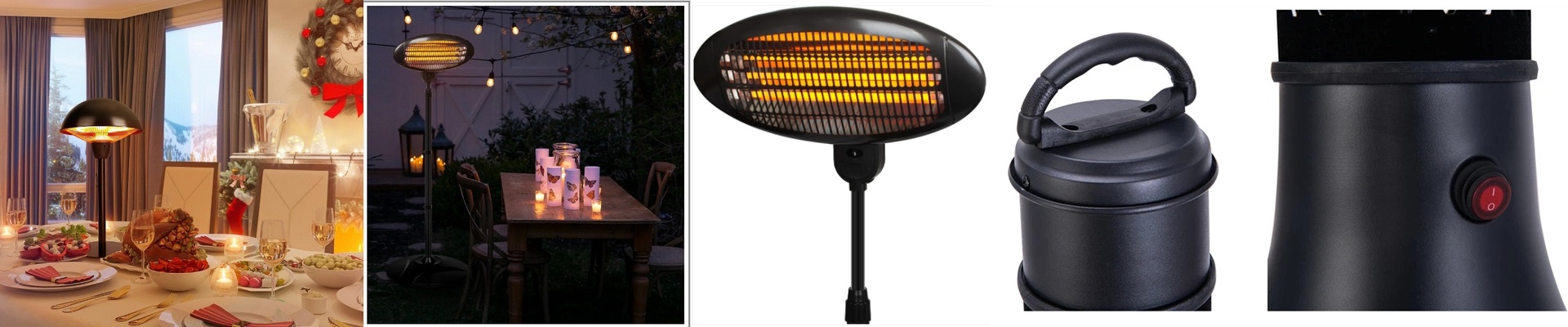
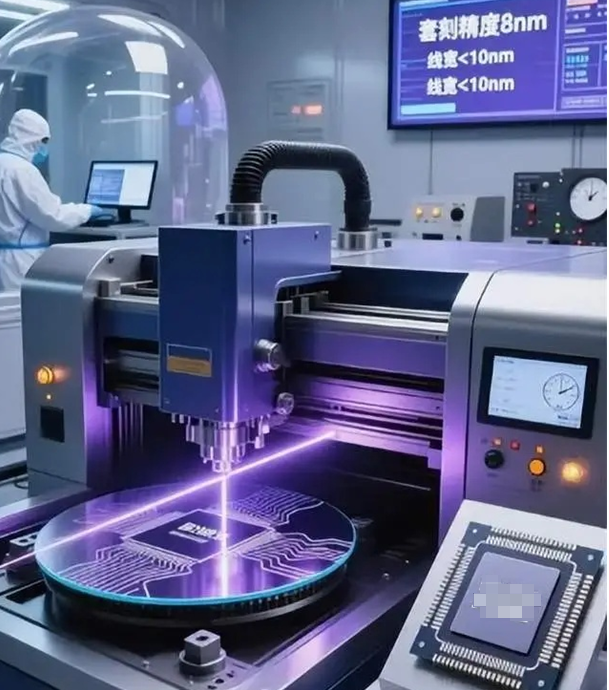
Out on the fab floor, quantum chip yield lives and dies on the thermal profile. A drift of a few tenths of a degree across the wafer during the photoresist bake is enough to wreck overlay and CD control—and that’s how you burn expensive substrates and schedule. We built the quantum computing chip fab heater to hold the line. Here are the numbers that matter. It keeps wafer-level uniformity within ±0.1°C across the active zone, and setpoint repeatability better than ±0.05°C. Quartz-halogen emitters give you fast, clean response for soft bake and hard bake, and the heater body is cleanroom-compatible for Class 1–100 environments. Particle generation is contained with a sealed, low-outgassing build and a filtered air path. Under normal operation, we see single-digit particle count increases at 0.1 μm. Ramp control is tuned to the photoresist thermal budget, which keeps the skin effect down and avoids solvent trapping. Why this matters for quantum chip work: lithography overlay and gate CD tolerances are brutally tight. With this heater, the thermal signature stays stable across the wafer, so your photoresist process behaves predictably—lot after lot. You end up with fewer reworks, stable CD and overlay distributions, and cycle times you can count on. Efficiency shows up in two places. The emitter design is efficient and the insulation is tight, so energy use drops. And the modular hot zone saves time on maintenance when tool access is tight. A couple of practical notes. The heater needs a dedicated, filtered supply to stay within cleanroom spec and to keep the emitter window from collecting thin-film buildup. After a lamp replacement, give it a brief thermal soak before re-verifying uniformity. Compatibility is straightforward on standard 150 mm and 200 mm platforms. For 300 mm integration, plan for a site-specific fixture review—chamber clearance and gas flow constraints have to be sorted before you sign off.
על רצפת המפעל, התפוקה של שבבי קוונטום תלויה לחלוטין בפרופיל התרמי. סטייה של כמה עשיריות מעלה על פני ה-wafer במהלך אפיית הפוטורזיסט מספיקה כדי לפגוע בשליטה על ה-overlay וה-CD — וכך נשרפים תת-מיסות יקרות ולוחות זמנים. בנינו את גוף החימום למפעל שבבי המחשוב הקוונטי כדי לשמור על היציבות.
הנה הנתונים החשובים: הוא שומר על אחידות ברמת ה-wafer בטווח של ±0.1°C לאורך אזור הפעילות, וכושר חזרה על נקודת ה-setpoint טוב מ-±0.05°C. מפיצי אור קוורץ-הלוגן מספקים תגובה מהירה ונקייה לאפייה רכה וקשה, וגוף החימום מותאם לתנאי חדר נקי בדרגות Class 1–100.
יצירת חלקיקים נשלטת באמצעות מבנה אטום עם פליטה נמוכה של מזהמים ונתיב אוויר מסונן. בתפעול שגרתי, נרשמות עליות בספירת חלקיקים בגודל 0.1 μm בטווח חד-ספרתי. בקרת העלייה בטמפרטורה מכויילת לפי תקציב החום של הפוטורזיסט, מה שמפחית את אפקט העור ומונע לכידת ממסים.
למה זה חשוב לעבודה עם שבבי קוונטום: סובלנות ה-overlay וה-CD של השערים היא הדוקה מאוד. עם גוף החימום הזה, החתימה התרמית נשארת יציבה על פני ה-wafer, כך שתהליך הפוטורזיסט מתנהל בצורה צפויה — אצווה אחר אצווה. התוצאה היא פחות תיקונים חוזרים, התפלגות CD ו-overlay יציבה, וזמני מחזור שניתן לסמוך עליהם.
היעילות מתבטאת בשני היבטים. עיצוב המפיץ יעיל והבידוד הדוק, מה שמפחית את צריכת האנרגיה. ואזור החום המודולרי חוסך זמן בתחזוקה כאשר הגישה לכלי מוגבלת.
כמה הערות מעשיות. גוף החימום דורש אספקה ייעודית ומסוננת כדי לעמוד במפרט חדר נקי ולמנוע הצטברות שכבת דקיקה על חלון המפיץ. לאחר החלפת מנורה, יש לתת לגוף החימום ספיגה תרמית קצרה לפני בדיקת האחידות מחדש.
התאימות פשוטה בפלטפורמות סטנדרטיות של 150 mm ו-200 mm. לשילוב ב-300 mm, יש לתכנן סקירת התקן ייעודית לאתר — יש לפתור את מרווחי התאמה בתא ואת מגבלות זרימת הגז לפני האישור הסופי.