
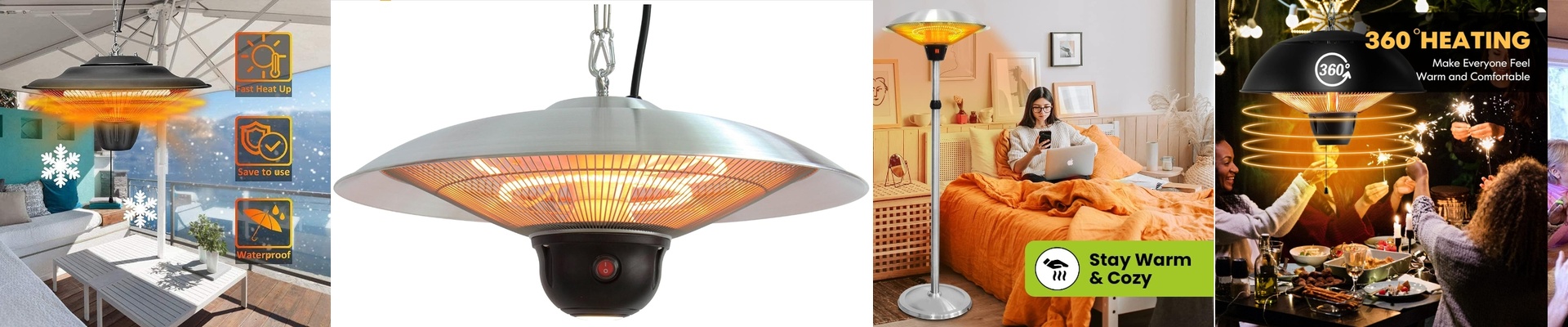
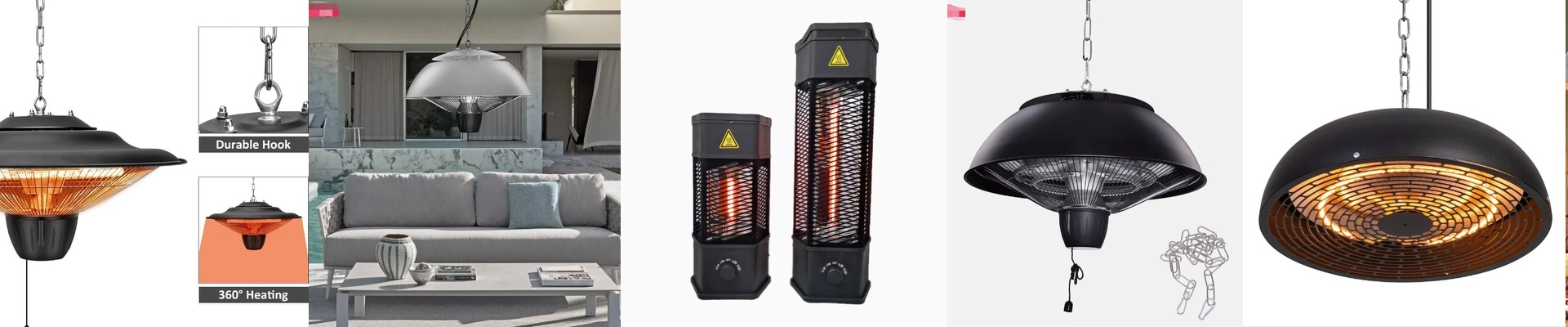
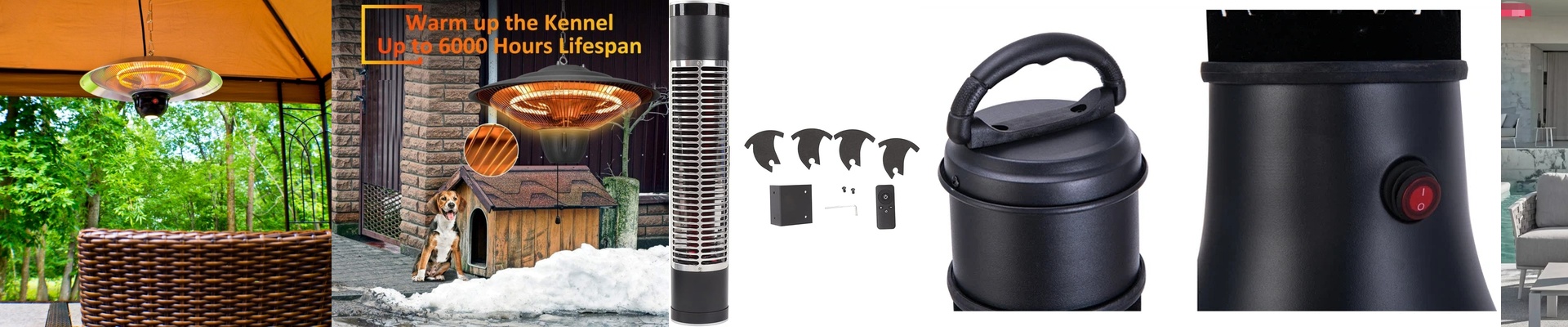
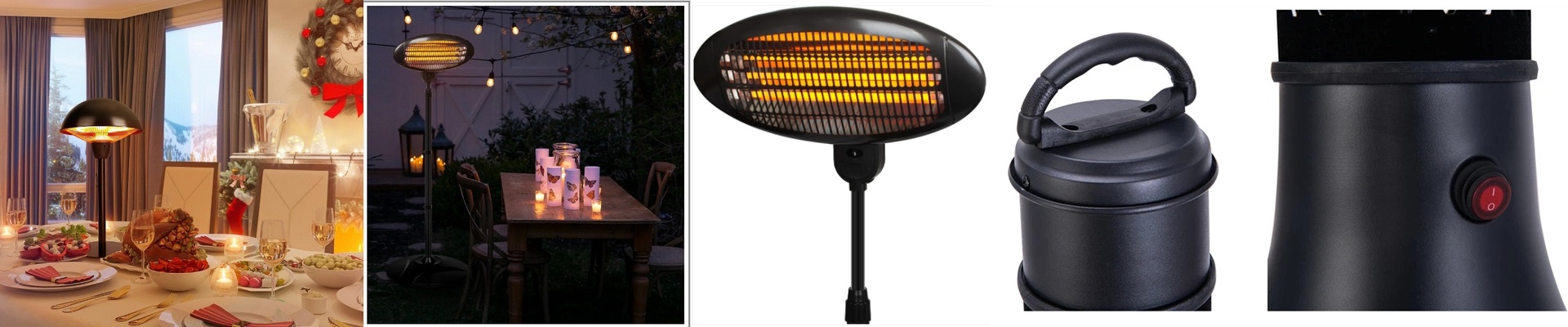
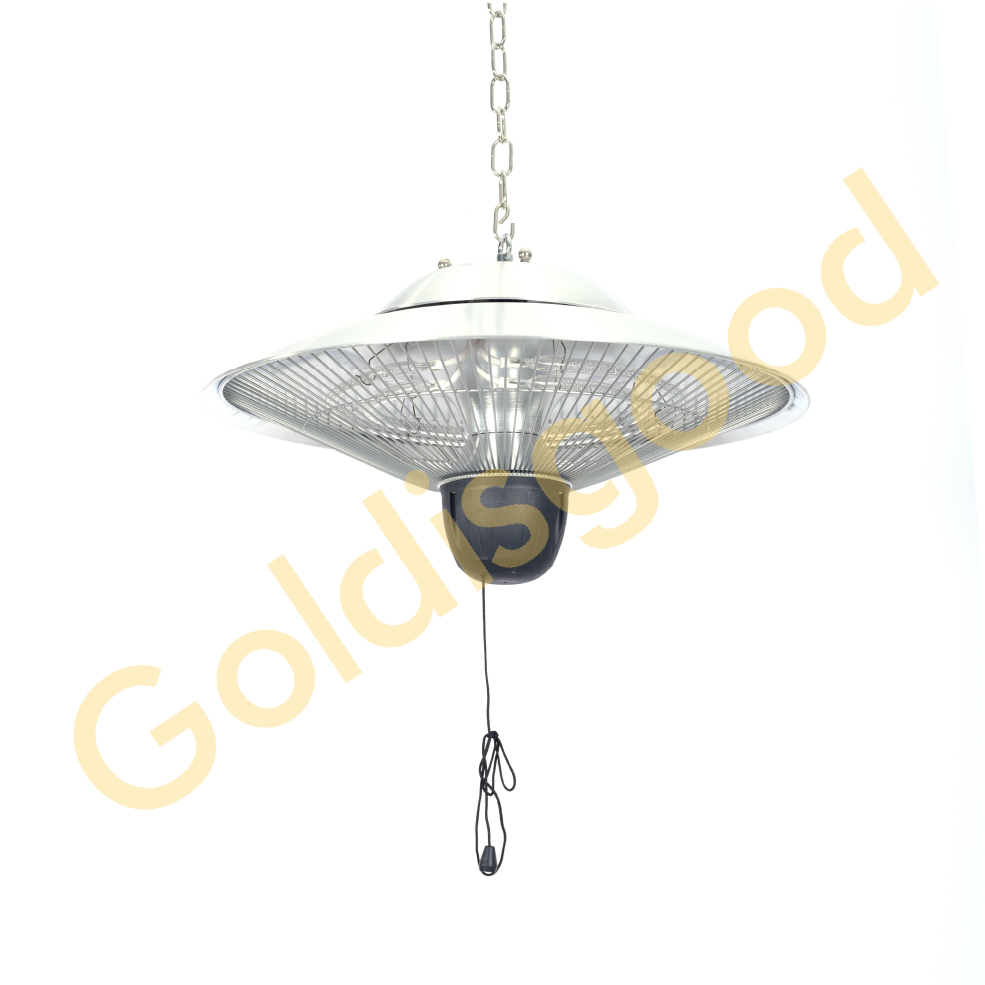
The minute the sun dips, you feel it—that sharp evening chill. And that familiar patio heater hum starts to sound like money going up in smoke. You want warmth, sure, but not the shock of the next electric bill. That’s the tension we built around when we put together hanging patio heaters that lean on real infrared warmth.
What actually matters under the hood
We run a carbon fiber infrared element, and it throws radiant heat straight onto people and surfaces—not into thin air. That focus cuts down wasted heat, so the unit warms you fast without working itself to death. In the field, a lot of homes see around 30% lower energy use compared with conventional electric patio heaters of similar output. It plugs into a standard 120V outlet, goes up overhead without a hassle, and delivers heat the instant you flip it on—no waiting around for it to spin up.
Why this works where you live
Outdoor living is about comfort you can trust, not a heater that chases the temperature. A hanging infrared patio heater makes your deck usable earlier in the season, so you can stretch evenings with family and friends. Because the warmth is directional, you feel it the moment the unit is on. The air stays calmer, so you get fewer drafts and fewer hot-cold pockets. Over a full season, the energy savings show up on the bill, and the heater stays quiet and out of the way.
What you need to keep in mind
Infrared warmth does its best work when the heater is overhead with a clean line of sight to the seating area. If you’re aiming for full-season use, pick a model rated for outdoor conditions and keep it protected from direct rain. Remember, radiant heat warms people and objects directly, so comfort comes down to placement—height and angle. A small tweak is often all it takes to find that sweet spot.