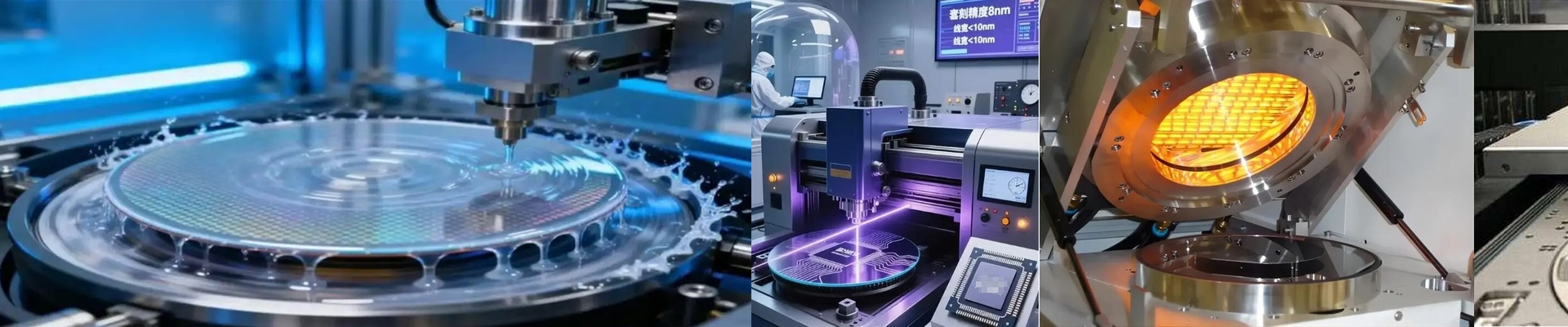
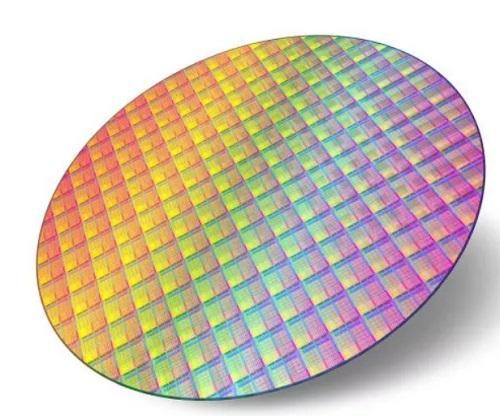
Out on the fab floor, a single water mark after CMP is enough to kill yield. Conventional drying leaves behind micro-droplets or stirs up particles that foul the next lithography step. We built our Post-CMP wafer drying heater to stop that loss where it starts. What matters under the hood We hit the wafer with short-wave infrared emitters, giving sub-millimeter thermal uniformity across the whole surface. Temperature stays within ±0.1°C, so run-to-run consistency is baked into the process. The unit runs in Class 1–100 cleanrooms without spiking particle counts—zero particle generation during the drying cycle. Repeatability isn’t an add-on. It’s engineered in. Why it fits the process After CMP, the wafer is carrying slurry residue and water, and you need both gone without damaging interconnects or the photoresist stack. Our heater dries fast, staying inside the thermal budget of sensitive films. You end up with a stable contact angle and surface energy, which keeps photoresist adhesion solid for the next coat. Faster cycle time, fewer reworks, and lower energy per batch—because the energy goes straight where it needs to. What you need to watch The heater drops into standard tracks, but you still have to verify alignment to the process chamber and the gas flow path during install. Expect a short tuning window per recipe to dial in ramp rates and dwell time; once that’s set, the process stays locked. Operators should keep an eye on emitter output with an in-line pyrometer to maintain calibration over long runs. We designed this for the fab, where the margin for error is measured in nanometers. If your line can’t afford wet defects after CMP, this dryer keeps the process honest.