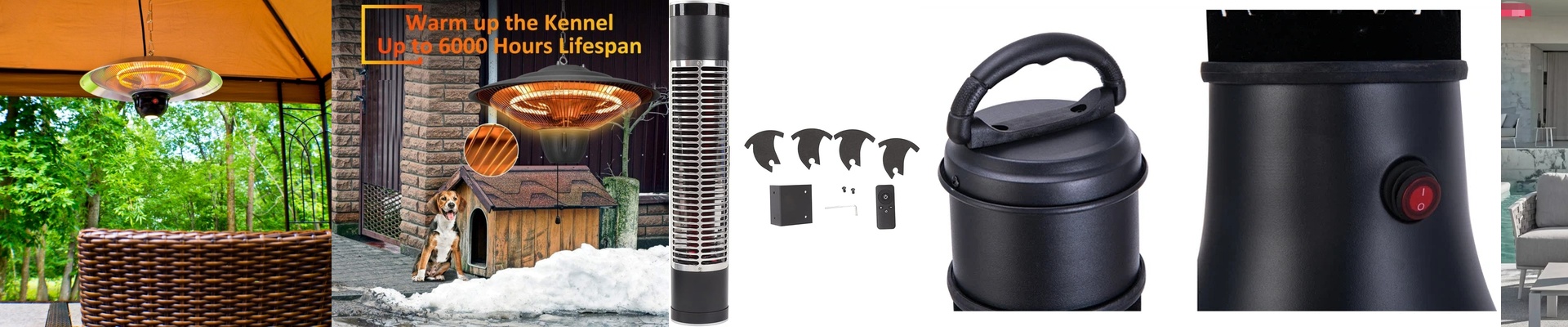

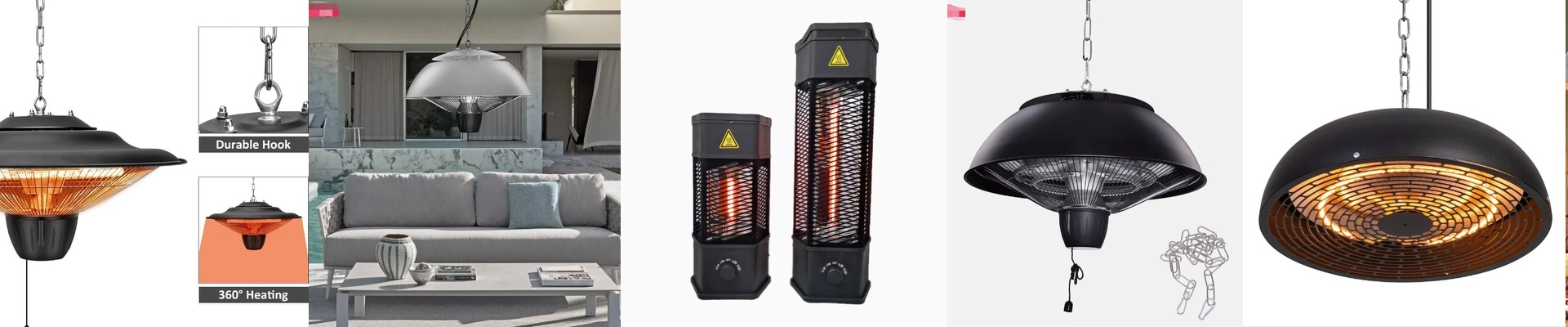
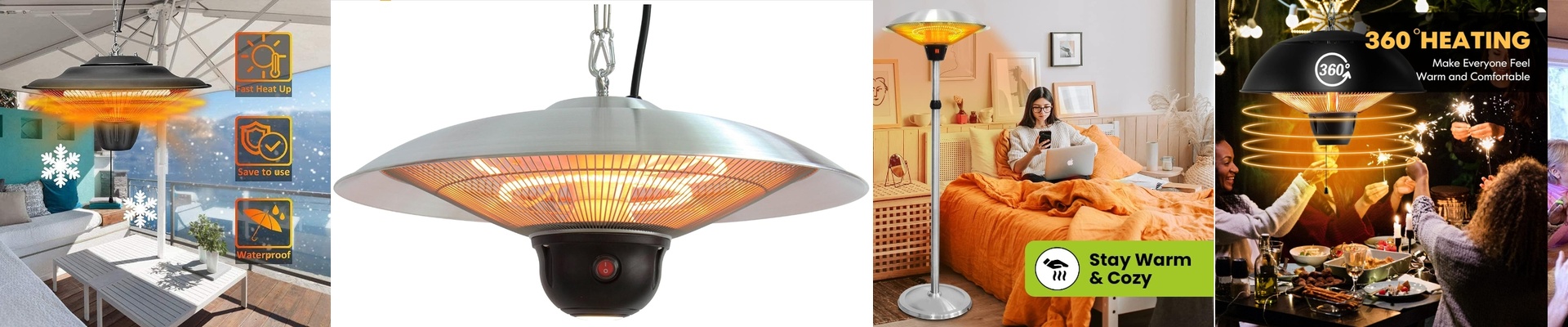
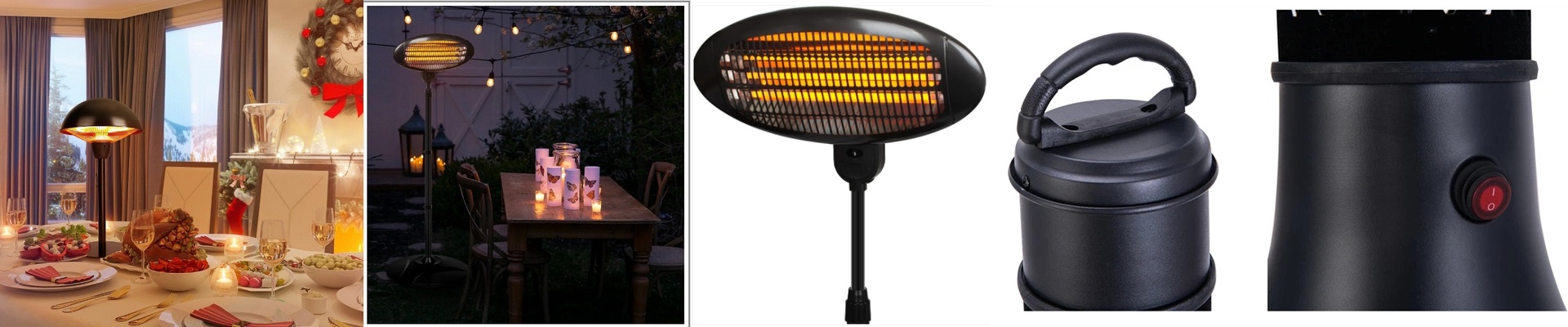

Step onto a cold patio or a drafty sunroom, and the goal isn’t just comfort—it’s making the space actually usable. Air-based heaters warm the air, it rises, and you’re left cold again. Infrared warmth works differently. It delivers heat the way the sun does: straight onto people and surfaces.
What’s actually going on under the hood
We run our infrared heaters on a carbon fiber element sealed inside a quartz tube. That setup produces medium-wave radiant heat—so it passes through the air without trying to heat the air first. You feel the warmth almost immediately. These units plug into standard 220–240 V outlets, draw 1.2–2.0 kW depending on the model, and stay compact enough to slip under a table or hang on a wall. A built-in thermostat holds the temperature steady, while tip-over protection and a protective grille cover the basic safety points.
Why this approach fits real outdoor living
Home bloggers lean on this heater because it makes outdoor living feel doable all year. Radiant heat keeps the body warm even when the air is chilly, so deck evenings stretch out instead of getting cut short. And the CE mark matters here. It means the product meets European safety and emissions standards, and that shows up in the day-to-day details: solid housing, consistent output, and components that don’t feel cheap. The look is clean too—comfort that shows up fast, and looks natural in social shots.
What you need to get right on the job
Infrared heat is directional, so aim the heater toward the seating area. It warms people and objects directly, not the whole volume of air, so you’ll feel cooler air in the gaps between you and the unit. For outdoor use, check the IP rating and keep the heater sheltered from direct rain. Installation is straightforward, but for higher-wattage models, run it on a dedicated circuit—otherwise you’re chasing breaker trips when demand peaks.