
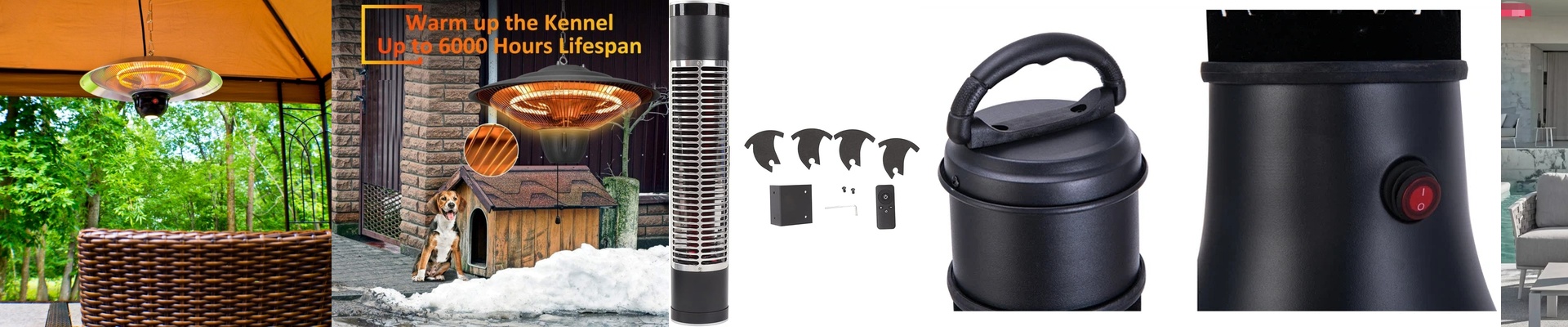
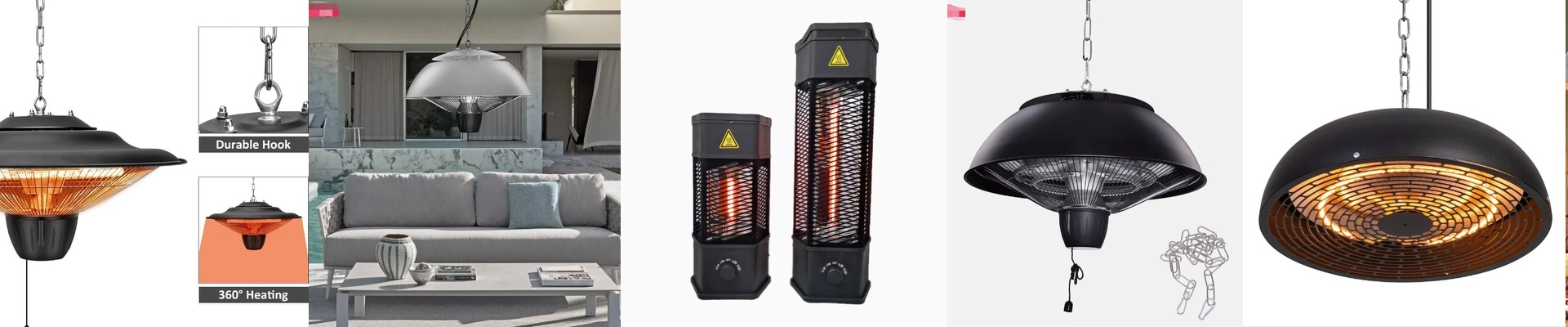
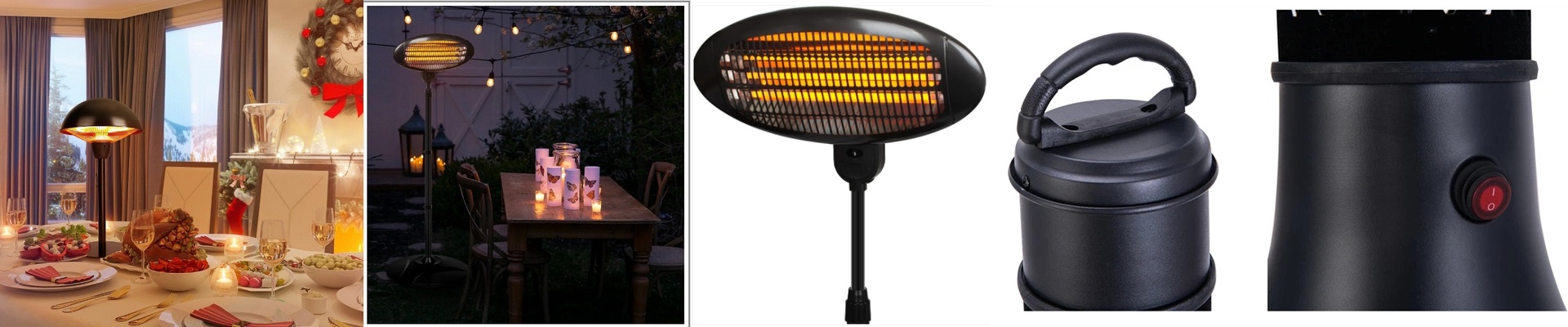
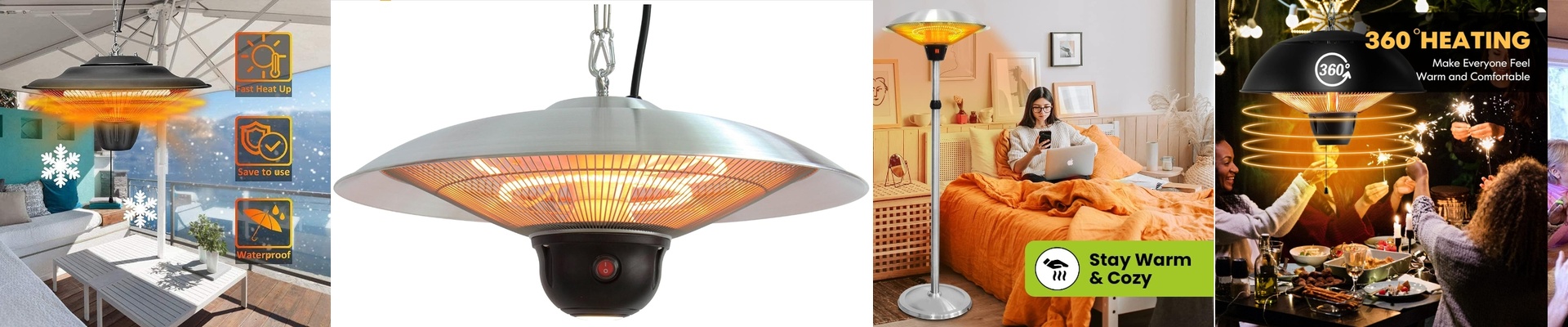

When the sun drops and the air bites, the evening doesn’t have to end. We built the 3D flame electric heater so outdoor spaces stay warm and lit—so you can linger without shivering or wrestling with a finicky unit.
What’s actually going on under the hood
It runs on an infrared heating element, delivering radiant warmth—the same direct-heat feel you get from the sun, just without the glare. The 3D flame effect comes from a layered optical setup and a warm-toned LED that flickers at variable intensity, giving a convincing flame look while staying cool to the touch. Heat comes on fast. In practice, you’re usually at full comfort temperature within minutes of flipping the switch. Inside, a standard thermostat holds the setting steady, so you’re not constantly chasing the control. For safety, it has tip-over protection that cuts power if the heater is knocked off-level. The exterior housing stays cool, which helps reduce the risk of accidental contact. It plugs into a standard outlet—no fuel, no venting, no storage headaches.
Why this approach works outside
Evenings outdoors are about mood and flow. If the heat takes too long to show up, people head indoors before the conversation gets going. With this heater, warmth arrives quickly and settles where people are sitting—on skin and fabric—not as a blast of hot air, but as consistent radiant heat that makes the space feel welcoming again. The 3D flame adds a soft, moving glow that turns a basic patio into a cozy spot, whether you’re hosting friends or winding down solo. Because the heat is directed at the seating area, it can feel more efficient than trying to heat the whole yard—so you can enjoy the outdoors without staring at the energy meter.
What you need to get right
Place the heater so the radiant beam covers the main seating area—roughly 3 to 5 feet away, and a bit above seating height for even coverage. It’s designed for outdoor use, but it performs best in sheltered spots; wind can pull warmth out of the zone and cut into comfort. Keep it on a stable, level surface, and route the cord so the outlet and cable are protected from moisture and foot traffic. If you want year-round use, confirm the model’s IP rating for rain and dust resistance, and stick to the spacing requirements in the manual—keeps performance consistent and keeps safety where it should be.