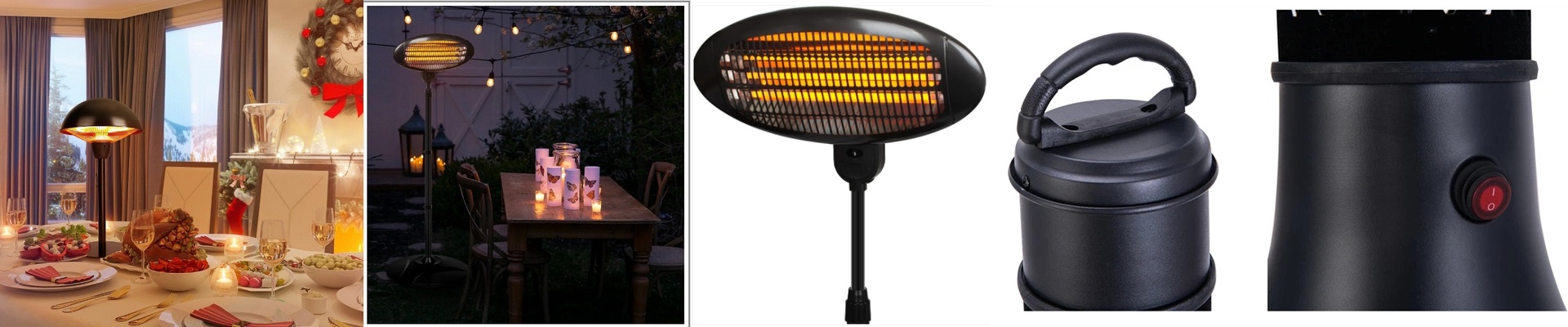

When the air turns crisp and your shoulders start to tighten, waiting around for a whole room to warm up isn’t just inconvenient—it kills your focus and makes comfort feel like a chore. With a personal infrared heater, you stop heating the entire house and start delivering heat right where you need it.
What matters under the hood
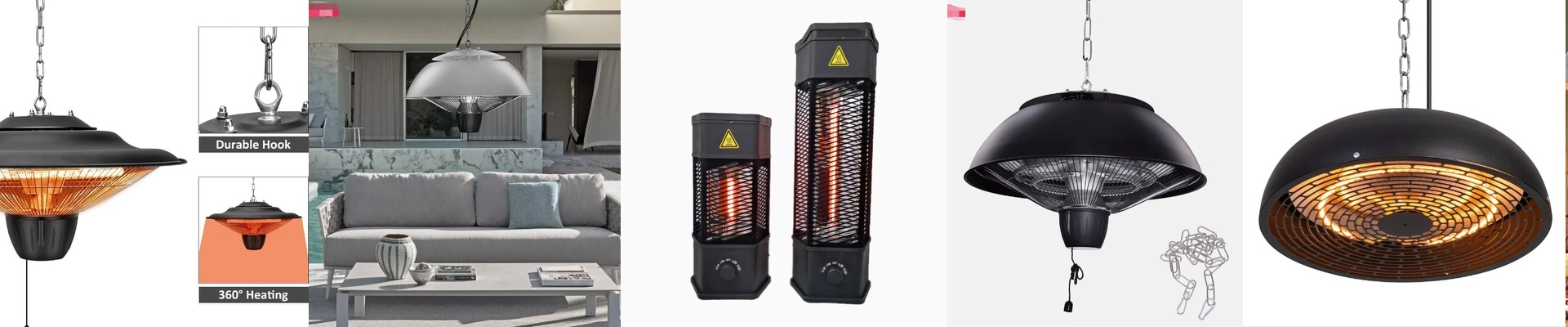
Infrared personal heaters turn electricity into radiant warmth that travels in a straight line—think of it like sunlight—warming people and surfaces first. In well-engineered units, that conversion hits around 99.8% of the input energy into usable radiant heat. The heart of it is the emitter. Quartz tubes and carbon fiber elements are popular for a reason: they come up to temperature fast, handle repeated on/off cycles, and put out a broad, comfortable spectrum. Output is typically measured in kilowatts, sized for a personal zone rather than a whole room. You’ll also find a built-in thermostat to keep the feel steady, plus standard safety measures like tip-over protection and overheat cutoffs.
Why this approach works where you need it
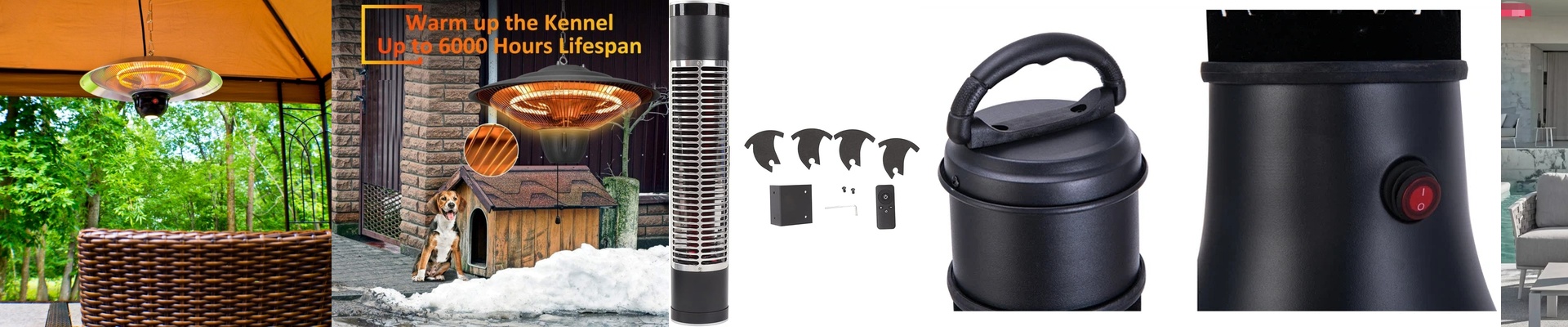
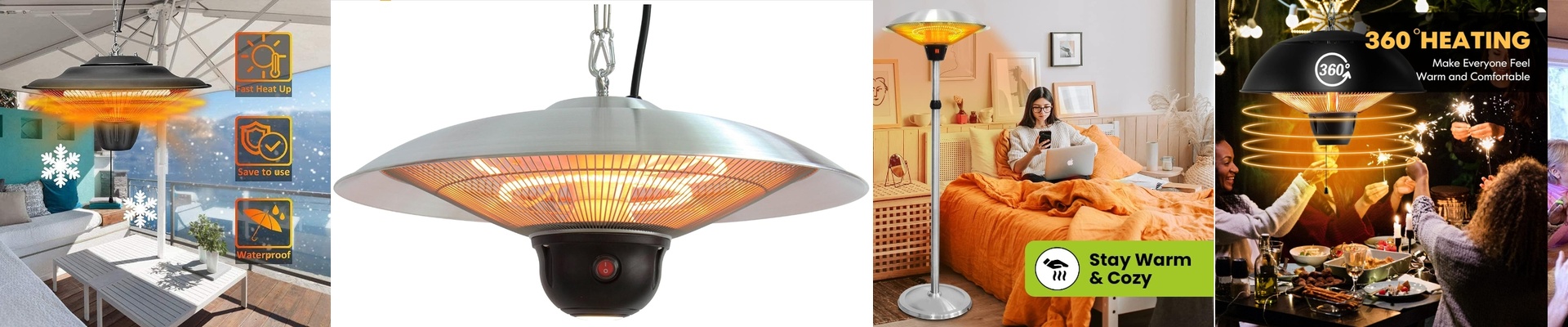
This shines when you’re heating a personal footprint: your reading chair, a workshop bench, or a covered porch. You feel the warmth almost immediately, without blowing air around and stirring up dust. For your body, that radiant heat helps muscles relax, so you stay comfortable even when the surrounding air stays cooler. And because the heater targets the spot you occupy, you can keep the main room temperature lower—often keeping energy use in check. Outdoors, a rated outdoor electric heater with infrared elements keeps the chill off your legs and torso, so conversations and evenings don’t have to wrap up early.
The practical stuff—placement and environment
Infrared warmth is direct, so placement matters. Point the heater toward where you sit, and keep a clear distance so you don’t cook one spot. For outdoor use, check the IP rating, and make sure the power cord and plug are truly rated for the environment. And here’s the reality check: infrared heats people and objects efficiently, but it doesn’t warm cold air. In very windy conditions, you may need wind shielding—or a different heating strategy.