

In a gallery, warmth has to do more than feel good—it has to protect what can’t be replaced. Forced-air systems kick up dust and swing humidity around, which can split paint and twist wood. In a museum or a private collection, the wrong heater isn’t just uncomfortable. It’s a risk you can’t afford.
What actually matters, technically
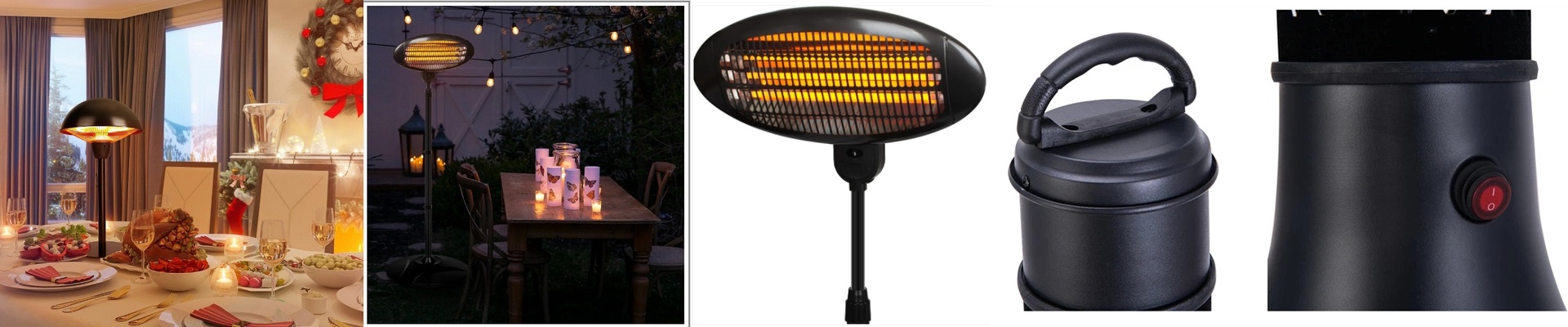
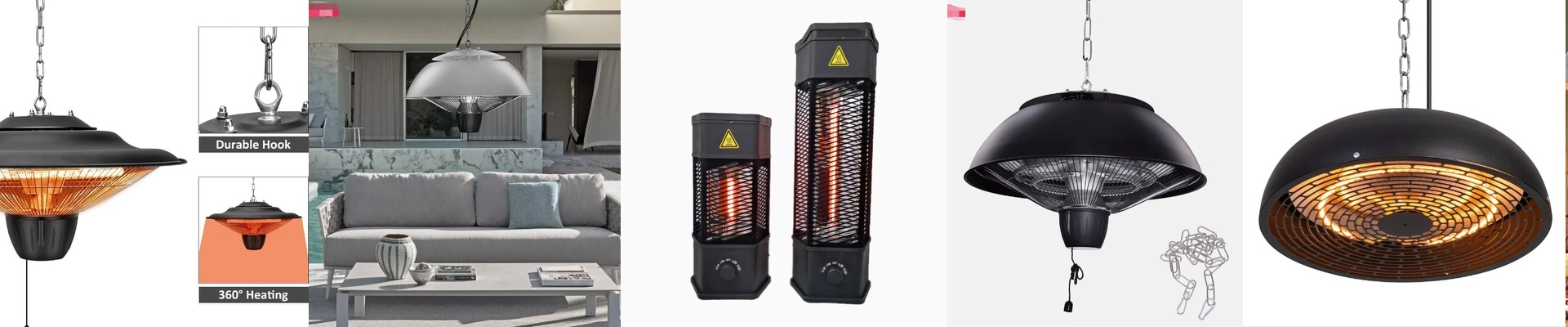
Infrared room heaters don’t warm the air first. They send radiant heat straight out from a quartz tube or a carbon fiber element, and it lands on people and objects directly. No drafts. No moving air to carry particulates. Most run on standard 120V or 240V circuits, pull between 1,500W and 3,000W, and deliver heat right away—no waiting around for warm-up. A decent thermostat holds the temperature steady, and the protective grille keeps everything where it should be.
Why this fits a gallery
Galleries need heat without airflow, moisture swings, or vibration. Infrared warmth keeps visitors comfortable while leaving canvas, paper, and wood alone. Because the heat is directional, you can aim it where cold spots show up—entryways, niches, perimeter walls—without trying to condition the whole room and drive up energy use. It runs quietly, so the space stays calm. And with no fans, you’re not circulating dust, which is a quiet problem for delicate surfaces.
The practical stuff you need to plan for
Infrared is line-of-sight, plain and simple. Place units so you don’t create shadows and uneven warmth, and keep proper clearance from furnishings and drapery. It heats what it “sees,” so map coverage across walls and floors. These heaters don’t dry the air the way forced-air systems do, but any heating affects humidity. Keep a hygrometer on hand and watch the relative humidity. For the best setup, pick models with adjustable output and tip-over protection, and make sure the electrical circuit can handle the load.