

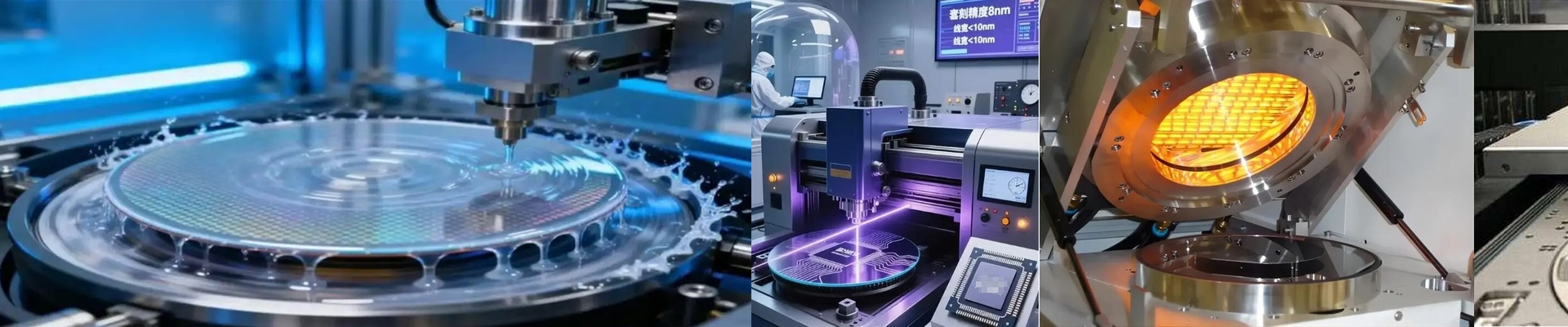
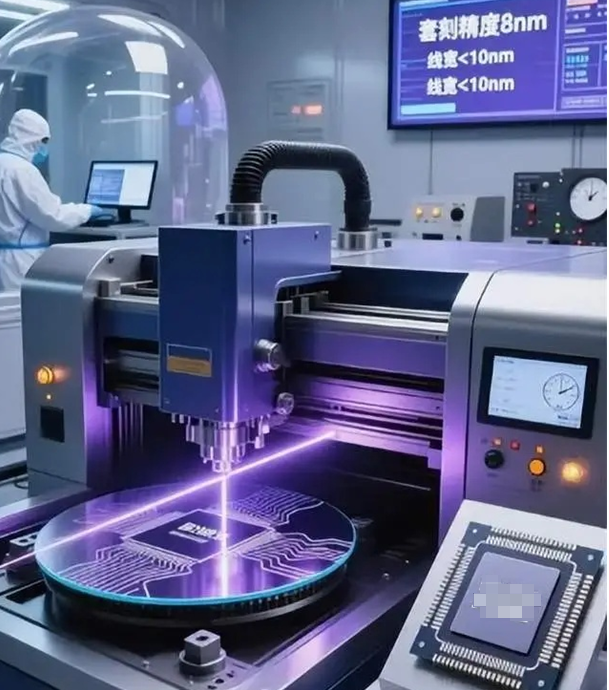
Out on the lithography floor, a 1°C drift in bake temperature can nudge critical dimensions by nanometers. That’s enough to scrap an entire lot before you even know it. The soft bake sets the photoresist profile, and the hard bake locks it in. Neither does any good unless the heat is uniform across the wafer—not just at the peak. What matters under the hood We spec our infrared lamps for photoresist bake with short-wave NIR emitters in a quartz envelope. That gives you rapid, localized heating with minimal load on the substrate. Wafer-level uniformity stays within ±0.1°C across the bake zone, and we measure it on-tool with mapped thermocouples. Cleanroom fit is baked into the design: low outgassing materials, packaging that meets Class 1–100, and zero particle generation once you’re in steady state. The system repeats setpoints with tight tolerance, so every soft bake and hard bake stays inside your thermal budget. Energy use is managed with pulse control and matched reflectors—keeps thermal mass low while output stays stable. Why this lands in a high-volume fab In production, it comes down to consistent critical dimension, fewer reworks, and yield you can plan around. You get fast ramps without overshoot, shorter cycle times, and photoresist profiles that stay put lot after lot. The lamps hold up on the line—24/7, with minimal output decay. We’ve seen units log 5,000+ hours with less than 5% intensity shift. Maintenance stretches out, and unplanned downtime drops. Bottom line: repeatability you can count on, because the temperature control keeps photoresist within spec. The things you learn the hard way Installation means getting the optical alignment right and running dedicated power conditioning to keep the spectrum stable. Check your chuck material and coating for IR absorption; if it’s mismatched, you’ll see gradients across the wafer. These lamps are picky about coolant purity—keep conductivity low, or you’ll get hot spots on the envelope. And schedule calibration windows to hold that ±0.1°C uniformity and keep particle counts where they need to be.