

Basement dampness gets into everything—your bones, your furniture, even the walls. A standard heater just warms the air, and that doesn’t touch the clammy chill or the moisture and mildew that keep hanging around. You need heat that actually reaches you, not just what the thermometer reads.
What matters under the hood
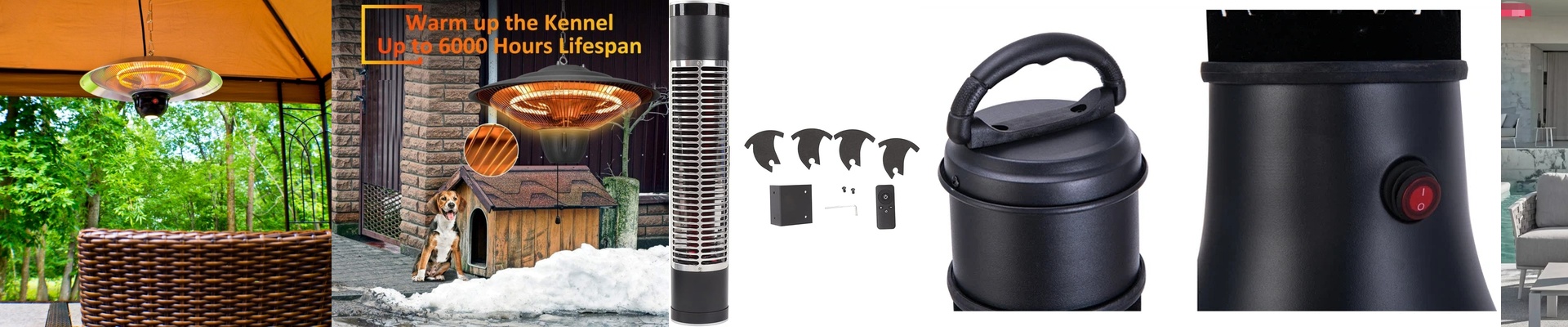
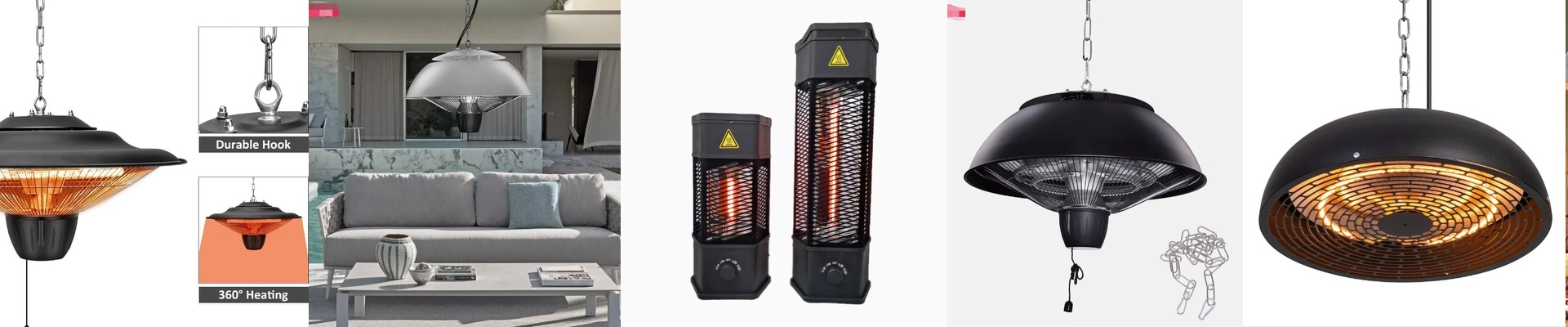
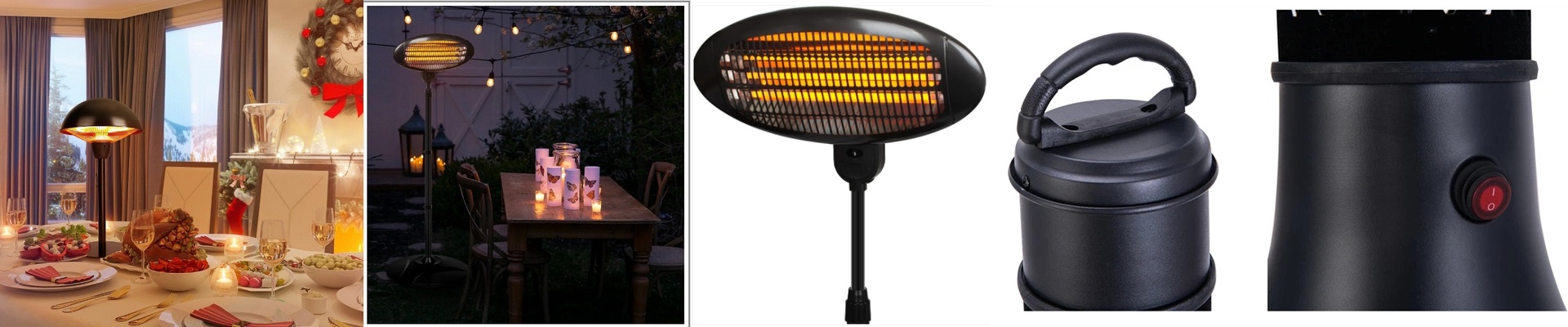
We built this heavy-duty electric heater around infrared radiant warmth, using a quartz element that puts the heat where you need it: on people, on floors, and on stored gear. It comes up to temperature faster than convection-only units, and there’s no loud fan to kick up dust. You get immediate, directional comfort—like standing near a wall that’s been in the sun—without that dry, blasting feel. The unit is rated for long-run, demanding duty, with a solid housing and a standard 120V plug for straightforward hookup. A built-in thermostat keeps output steady, so you don’t overshoot comfort and waste energy. Safety is kept practical: stable footing, overheat protection, and a tip-over cutoff give you peace of mind, especially in spaces you don’t keep an eye on.
Why it works in a basement
In a basement, humidity is the real fight. Infrared heat warms surfaces directly, which helps cut that clammy feeling and supports better air-drying conditions—especially if you’re running a dehumidifier alongside it. Because radiant warmth doesn’t depend on moving big volumes of air, you get comfort without the drafts that can drive condensation on cold masonry. You feel the difference fast. No waiting around for the whole room to “catch up.” Flip it on, and the warmth is there. Energy use stays reasonable because the heater isn’t constantly battling moisture-laden air. And since it’s wall-mountable, you keep floor space open for storage, tools, or a small spot to sit.
The details you’ll actually care about
This is an electric radiant heater, not a dehumidifier, so it won’t pull water out of the air on its own. For the best results, pair it with a dehumidifier and keep air movement gentle. Placement matters: aim the unit toward the main seating or work area, and don’t point it straight at storage that could be sensitive to warmth. Installation is simple, but the wall has to be dry and rated for the load. Keep clearances clear, and don’t run the heater near combustible materials. If your basement is especially large or has drafts from an exterior door, consider sizing up or adding a second unit so comfort stays even across the space.