Stop Heating Your Vacuum Chamber (And Start Heating Your Wafer)
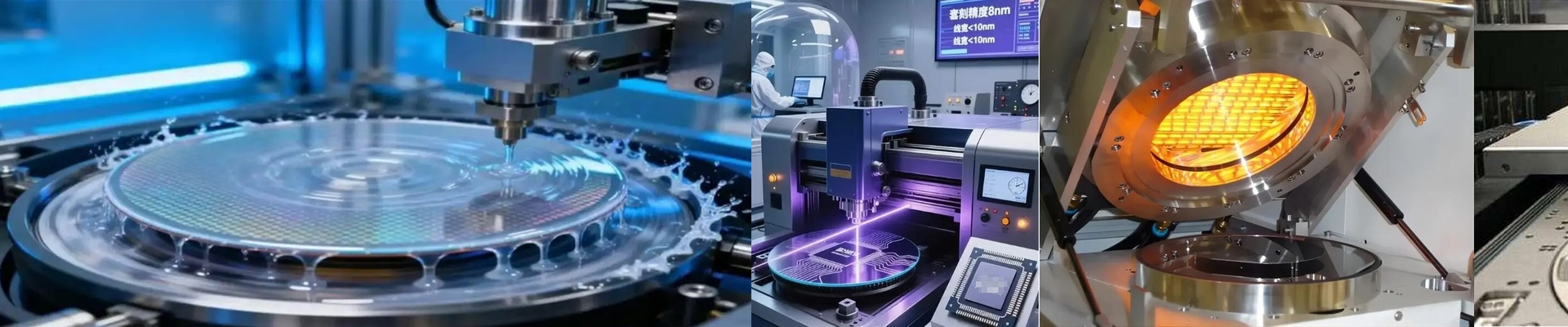
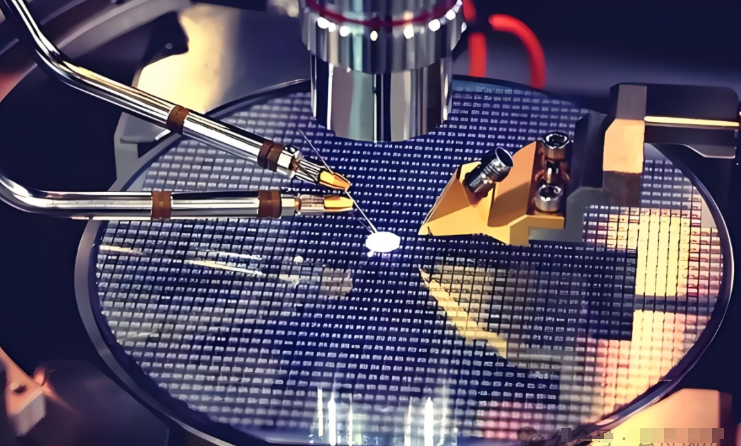
If you’ve spent any time in semiconductor fab, you know the struggle. You need to get a wafer up to temperature, but you don’t want to accidentally turn your entire chamber into an oven. Standard IR lamps are a bit chaotic. They throw heat in every single direction. In a tight vacuum, that energy has nowhere to go but straight into the inner walls of your equipment. Suddenly, your chassis is acting like a giant heat sink, and your operators are staring at a serious burn hazard. It’s a mess. But there’s a better way. The trick is all about direction. Instead of letting the heat spray everywhere, we use directional IR lamps. Think of it like switching from a bare lightbulb to a flashlight. By using internal reflectors and specific coatings, we push the thermal energy exactly where it needs to go—the target—and keep it away from the housing. It’s a relief. Your tool’s exterior stays cool, and your vacuum cooling systems don’t have to work overtime just to keep the machine from overheating. But vacuum environments are picky. You can’t just throw a standard lamp in there. Most materials “outgas,” which is a fancy way of saying they leak impurities that ruin your process. It’s a nightmare for contamination. We handle this by using high-purity quartz and seals that actually hold. These tubes are built to take the pressure difference without imploding or messing up your vacuum levels. They just work. Now, there is a catch. When you concentrate heat into a tight beam, the energy density spikes. It’s way more efficient, but it means you have to be spot-on with your focal point. If your wafer is even slightly off-center, you’re looking at hot spots that can warp your substrate. It’s a tightrope walk. That’s why you’ve got to pair these lamps with a solid PID controller. You need that precision to make sure you hit your temperature setpoint without overshooting it. The best part? We designed these to be drop-in replacements for the tools you already have. You get the heat on the part, not the walls. No need to spend a fortune on extra shielding or oversized water-cooling loops. Just a simpler, cooler way to get the job done.