
Introduction
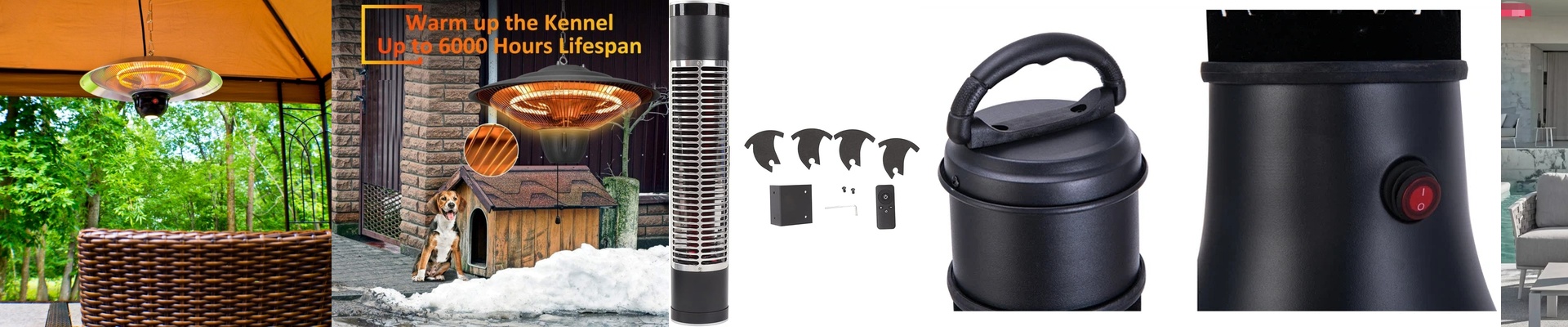
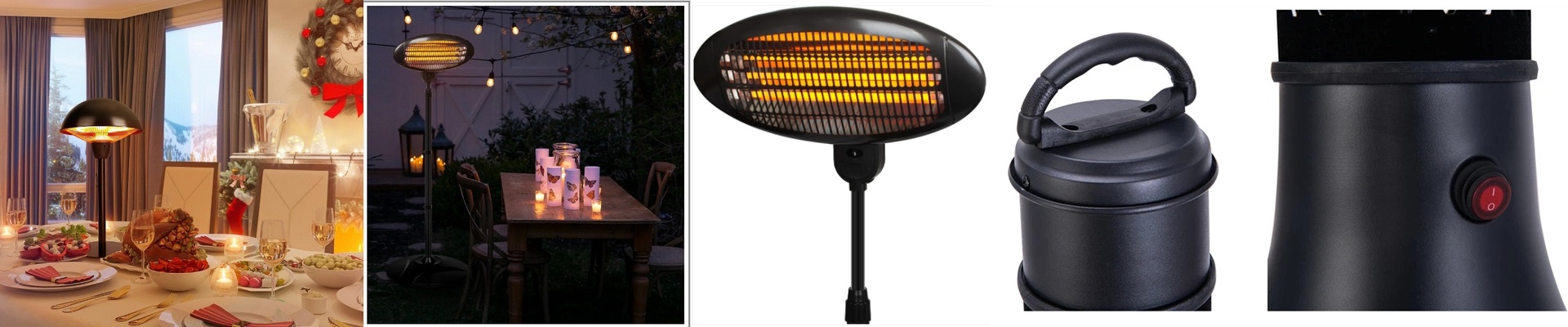
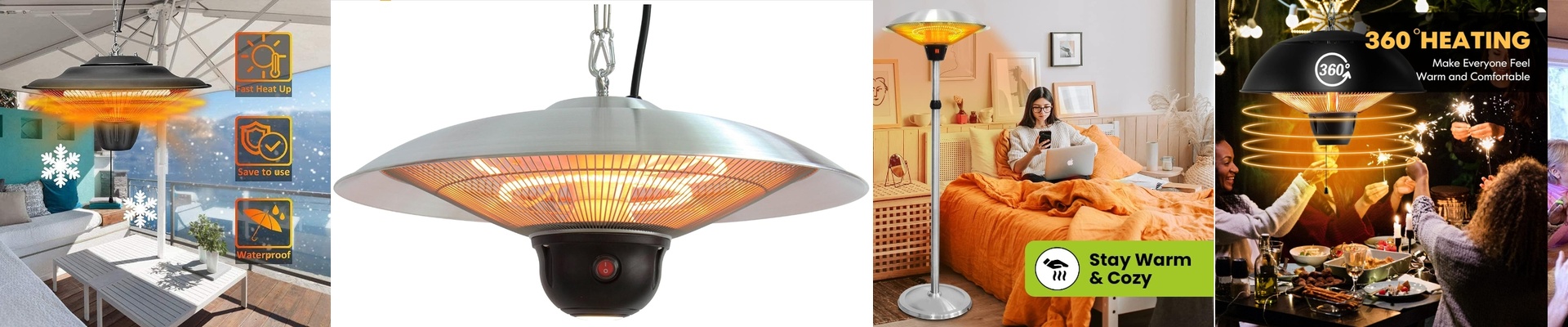
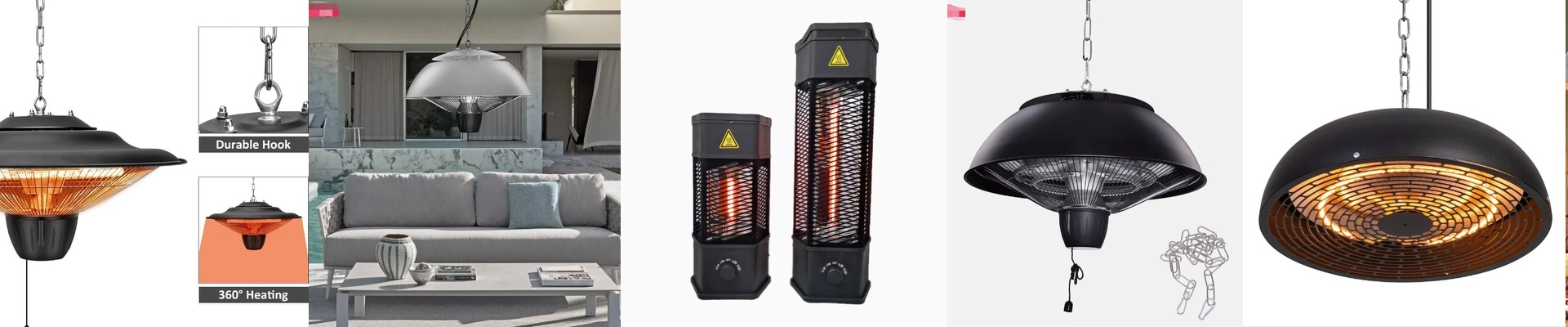
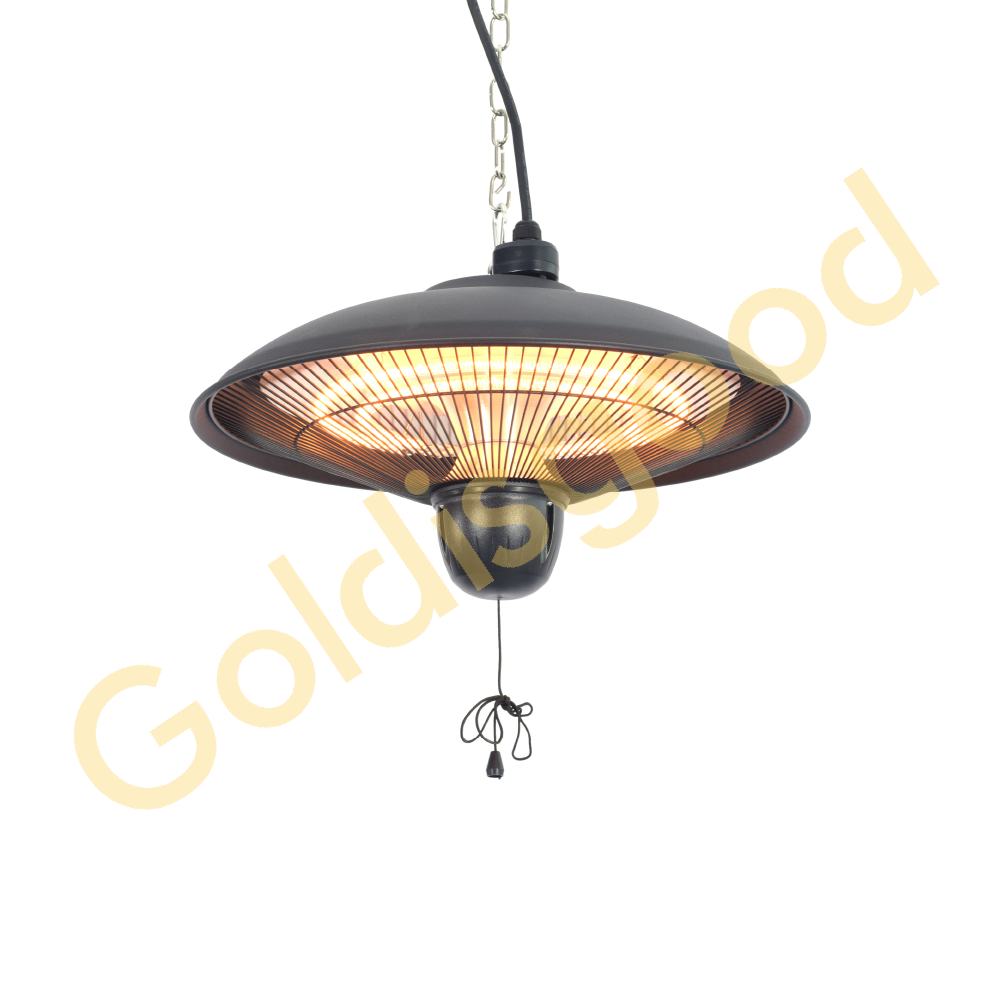
We built this electric patio heater for real outdoor life—the kind where the weather swings wildly and the air is always carrying a bit of moisture. At its heart is an infrared heating element that’s made to shrug off fog and splashes, so it keeps working when things turn wet.
The Inside Story
It runs on standard mains voltage, which makes hooking it up straightforward. Then it delivers steady infrared heat—the kind that makes patios, workshops, and semi-outdoor spots feel instantly more comfortable. We sized the heating element to put out strong radiant heat without pushing the whole assembly too hard. That keeps the quartz envelope stable, even when the temperature jumps around. And we designed it to survive actual weather. The electrical compartment is sealed against water, and the front optics are treated so condensation doesn’t form on the heating surface. Why does that matter? Because when optics fog, the heat scatters, output drops, and the element gets pushed into stressful thermal cycles. We avoided all that.
Materials and Build
The quartz envelope takes high heat in stride and handles sudden temperature shifts without cracking. Inside, a halogen fill gas keeps the filament stable, so the output stays consistent over time. Sealed gaskets and waterproof seals keep rain and even cleaning sprays away from the live parts. Meanwhile, an anti-fog coating keeps the radiant path clear, so the heat keeps coming through the way it should. Even the connectors got special attention. They lock in place without needing tools, and they hold steady when the unit vibrates or expands with heat. That means fewer hot spots and fewer connection failures—two things that often kill outdoor heaters way too soon.
What It Feels Like to Use
Out in the real world, the anti-fog and splash resistance add up to something you can feel: the heater lasts longer. The element doesn’t go through that harsh wet-dry cycle on a scorching surface, and the terminals stay dry. So you get heat you can count on, fewer calls for maintenance, and the freedom to mount the heater in exposed spots without babysitting it.
One Important Note
The sealed design is tough—that’s the point. But it needs proper heat dissipation. Make sure the housing has enough airflow clearance. If it doesn’t, internal temperatures can creep up, and that can shorten the life of the components. Give it room to breathe, and it will reward you.