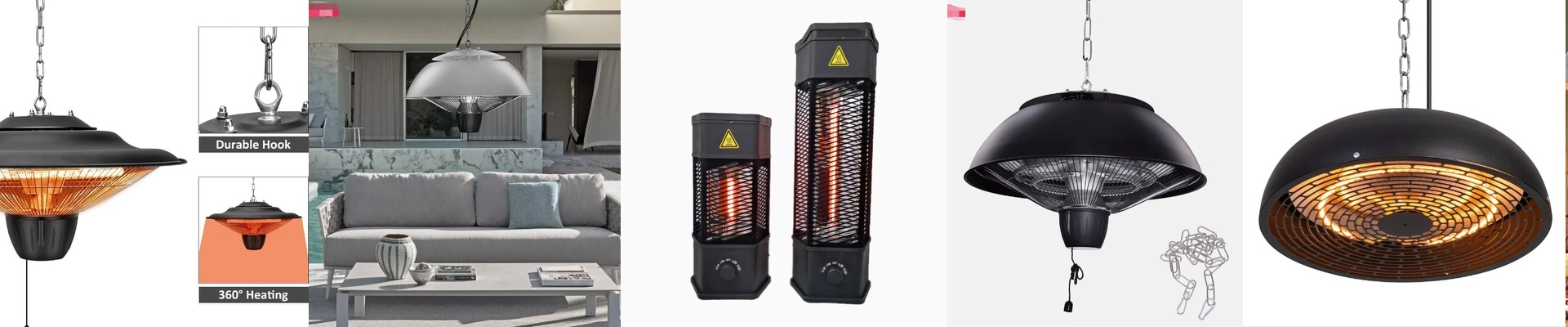
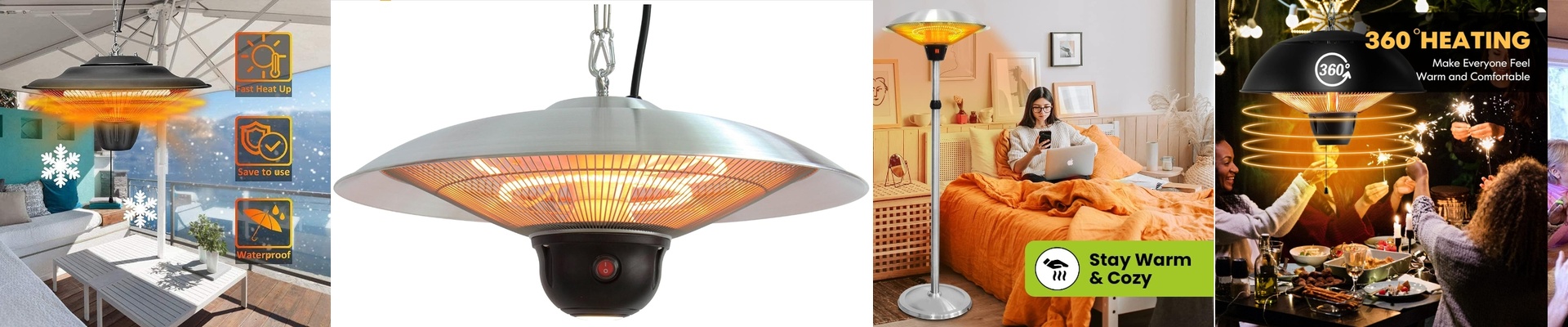
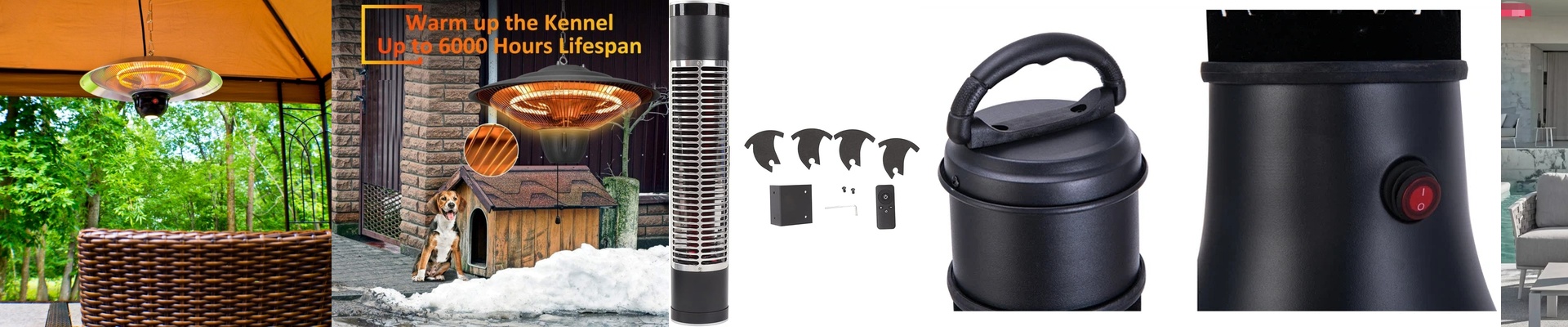

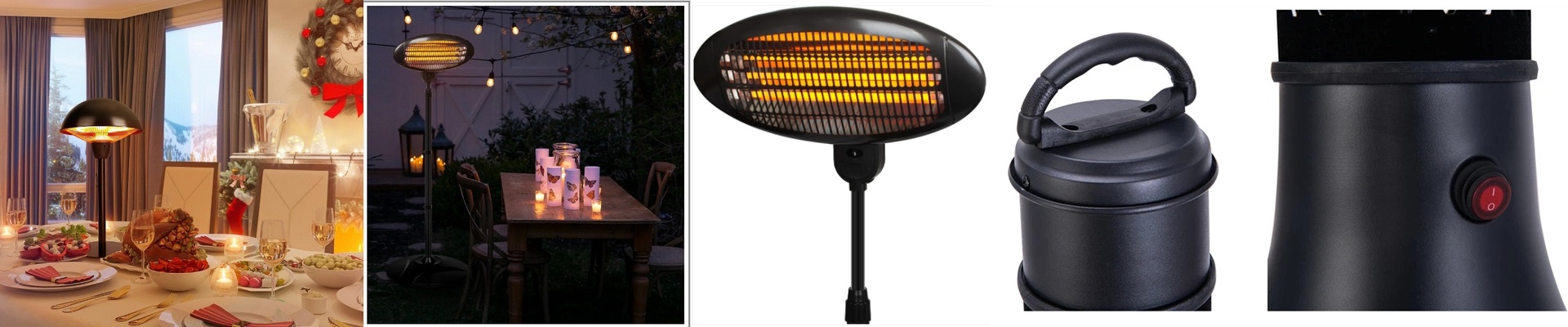

A semi-open commercial corridor is a tough space to keep comfortable. Drafts pour in from both ends, doors swing with foot traffic, and the moment the sun drops behind the building, the warmth disappears. Traditional heaters tend to overheat the place when it’s busy and go cold when it quiets down, racking up energy costs without delivering steady comfort.
What actually matters, technically
We built this heater around infrared radiant warmth. It sends heat outward to warm people and surfaces directly, not the air around them. Add a digital thermostat, and the unit holds a tight temperature band—running only when it needs to. Smart sensing adds another layer. The occupancy detection kicks heat on when people arrive and dials output back when the area clears out. The payoff is targeted comfort with far less wasted energy. In practice, that means fewer on-off cycles, quieter operation, and warmth that stays consistent right where you stand.
Why this approach works here
In a semi-open corridor, control is the whole game. The heater doesn’t waste time chasing shifting air currents; it delivers warmth where it’s felt, even when doors keep opening and closing. That makes the space more welcoming for guests and staff, and it supports eco-focused operations by cutting unnecessary runtime. Energy use drops because heat is delivered on demand, not on a fixed schedule. For managers, that translates into lower operating costs, fewer comfort complaints, and a heating setup that keeps up with the day’s rhythm.
The practical details you need
Installation is straightforward, but placement is where it makes or breaks. Mount the unit high enough to clear foot traffic and aim the beam pattern toward walkways—without shining glare straight at people. This heater performs best in sheltered, semi-outdoor areas. Strong wind and heavy rain can cut into effectiveness, so if exposure is a concern, go with an IP-rated model suited to the conditions. Plan the circuit to match the heater’s power draw, and use a dedicated line when you can. Set the thermostat within the comfort range, and let the smart sensor handle the rest.