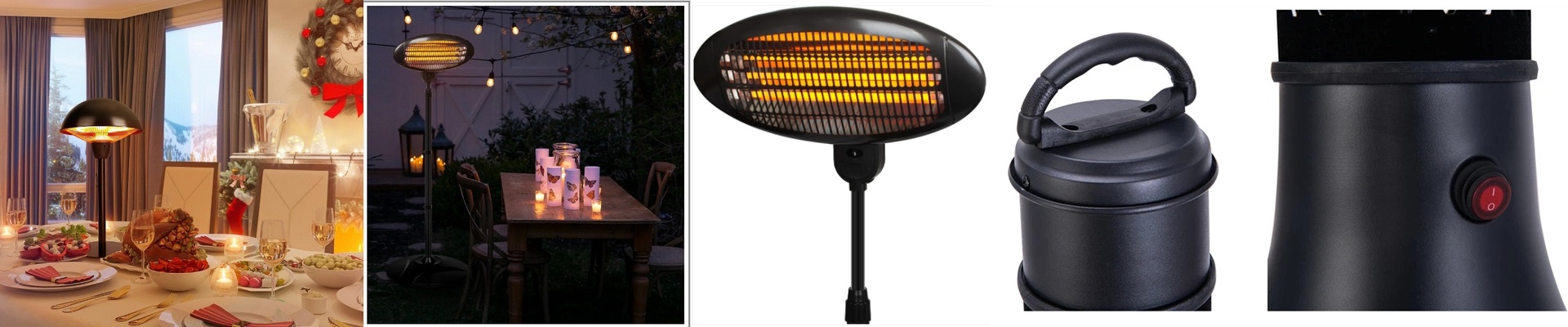

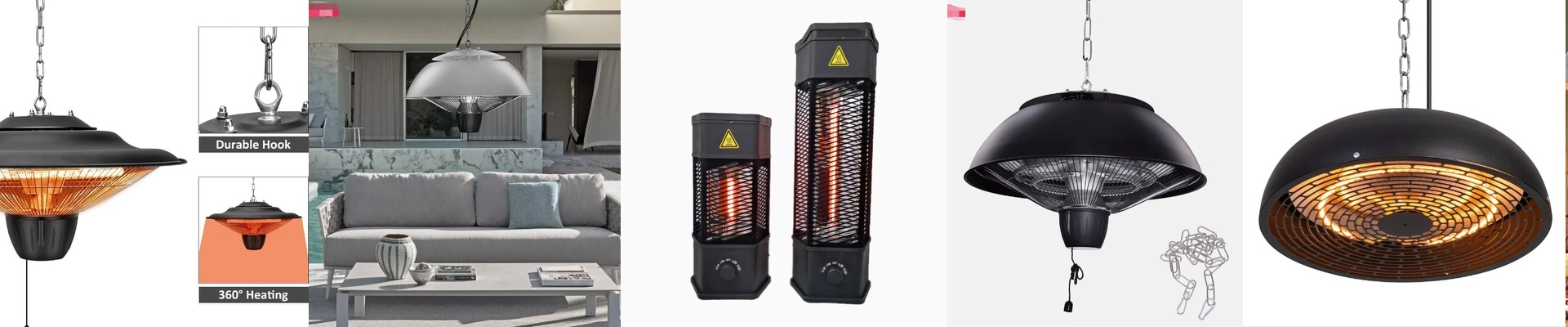

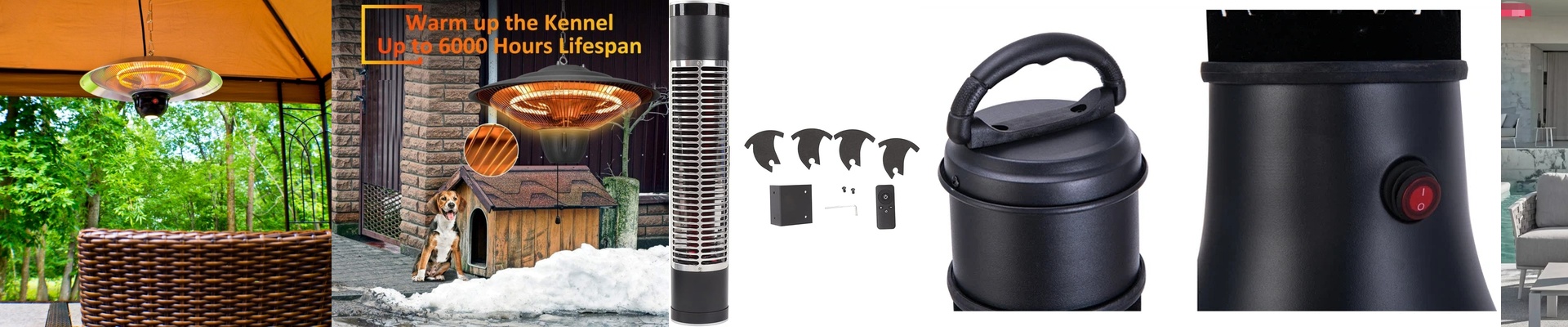

Picture this: the lights drop, the projector hums, and the room settles in—until the forced-air heater kicks on with a rush of noise that yanks you right out of the film. That’s exactly the problem we built this touch-screen infrared heater to fix. In a home theater, the soundtrack matters as much as the picture, and even low-level airflow noise ruins focus. We wanted warmth that doesn’t show up on the sound track. What matters under the hood We lean on direct radiant heat with a carbon fiber element, warming people and objects directly instead of pushing air around. The payoff is instant, natural warmth—without the fan noise. The control panel is a capacitive touch screen, so you set temperature, timer, and modes with a light tap—no clicking, no clunky buttons. Response is fast, settings hold steady, and the look stays clean. It runs quiet, and with no moving parts in the heating core, there’s no whir or rattle to fight the dialogue. Why this works in a home theater Home theater is all about immersion, and sound is half the experience. A heater with zero wind noise keeps the acoustics intact—the whispers and subtle scores come through clean. The warmth arrives fast, so you don’t sit through a long preheat. You also avoid drafts that can cause screen glare or shift room humidity. The touch screen keeps control simple and discreet—no fumbling for a remote in the dark. Things to keep in mind Because infrared heaters warm people and objects directly, they shine when you’re seated within line of sight of the unit. In very large rooms, they complement whole-room heating rather than replace it. Installation is straightforward: plug into a grounded outlet on a dedicated circuit, position the unit with clearance to furnishings, and rely on the built-in tip-over protection for peace of mind. For best comfort, pair it with a gentle ambient backup if you need to warm unoccupied areas before showtime.