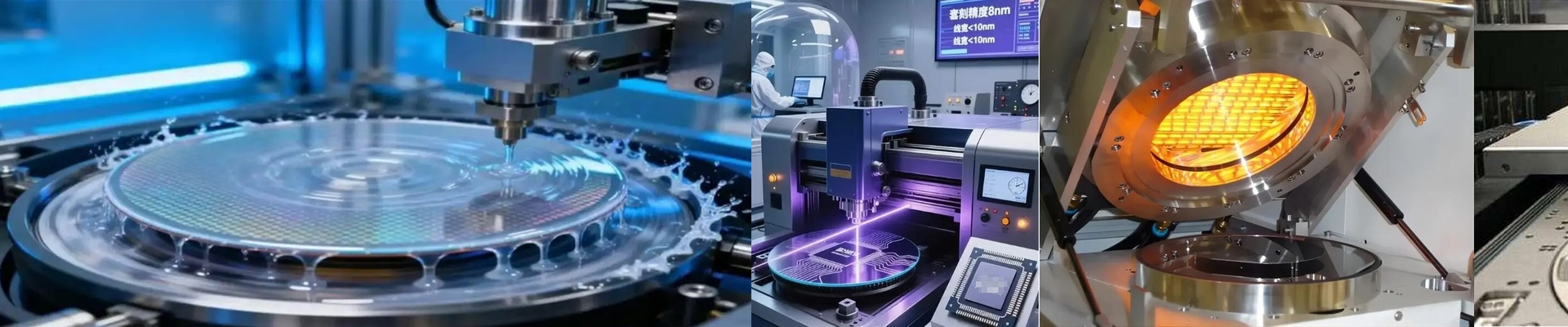
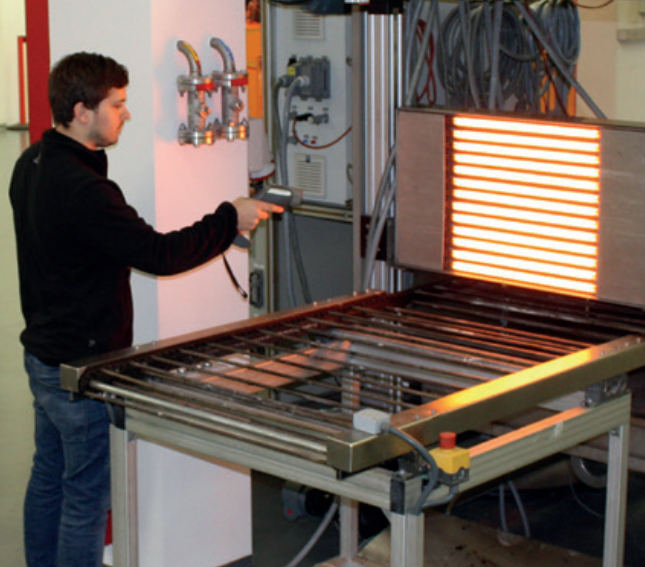
On the fab floor, polyimide curing isn’t a step you check off. It’s a thermal budget you manage. Miss the window by even a few degrees, and you’re looking at incomplete planarization, weak adhesion, or stress that warps the wafer. In today’s nodes, there’s no room for that kind of miss. What matters under the hood Polyimide curing needs heat that’s stable and repeatable, period. We keep wafer-level uniformity within ±0.1°C, so the entire film sees the same thermal history from edge to edge. Short-wave infrared (NIR) heating is matched to polyimide absorption, which slashes ramp time while keeping hot spots out of the picture. Cleanroom Class 1–100 compatibility is baked into the design: low-outgassing materials, sealed chambers, and internal filtration keep particle counts flat over long runs. Zero particle generation isn’t a slogan—it’s a constraint we enforce, backed by in-line monitoring. Why this platform earns its keep The same system handles wafer drying, photoresist soft bake and hard bake, packaging underfill cure, and post-clean dry—without forcing you to requalify the thermal profile. Tight photoresist bake temperature control translates directly to better CD control and more consistent sidewall profiles across the lot. Repeatability from run to run cuts scrap and rework, tightens cycle time, and smooths out yield. Energy use drops because NIR heats the film directly, not the chamber walls. Reliability is built for 24/7 operation, with maintenance you can plan for instead of downtime you can’t. What you need to keep in mind NIR heating is line-of-sight, so stack height and emissivity matter. We run a Short qualification to lock in the profile for your specific polyimide thickness and the layers underneath. Footprint is compact and integration is straightforward, but get your utilities lined up ahead of time—power, exhaust, and cleanroom interface—so you don’t stall the line during install.