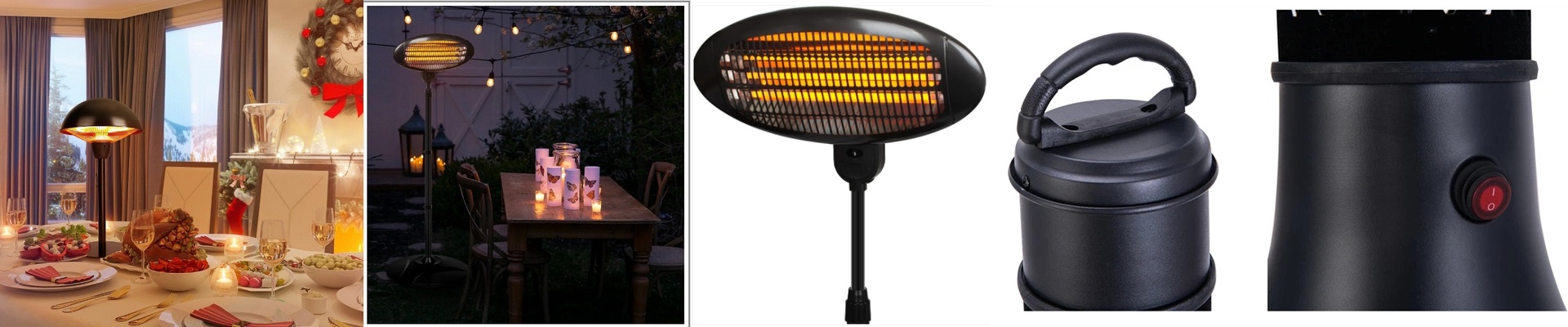
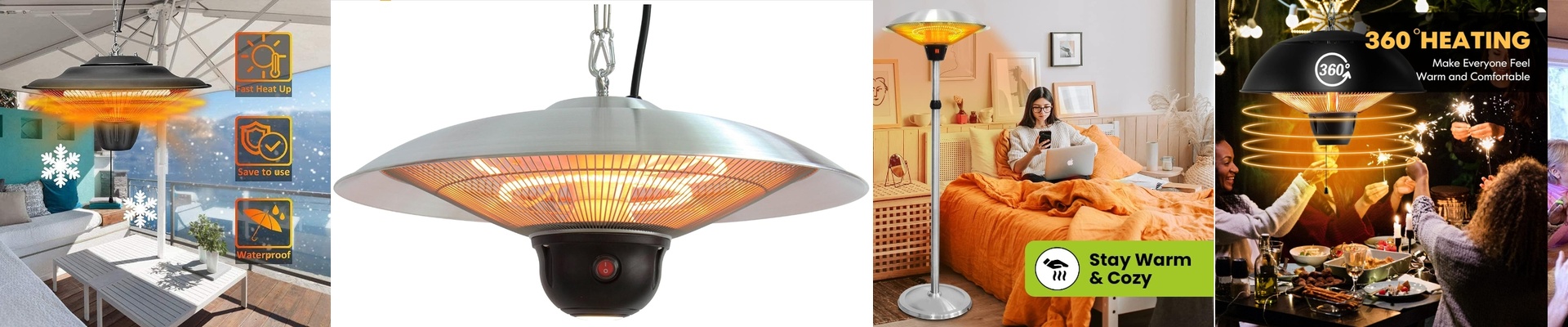
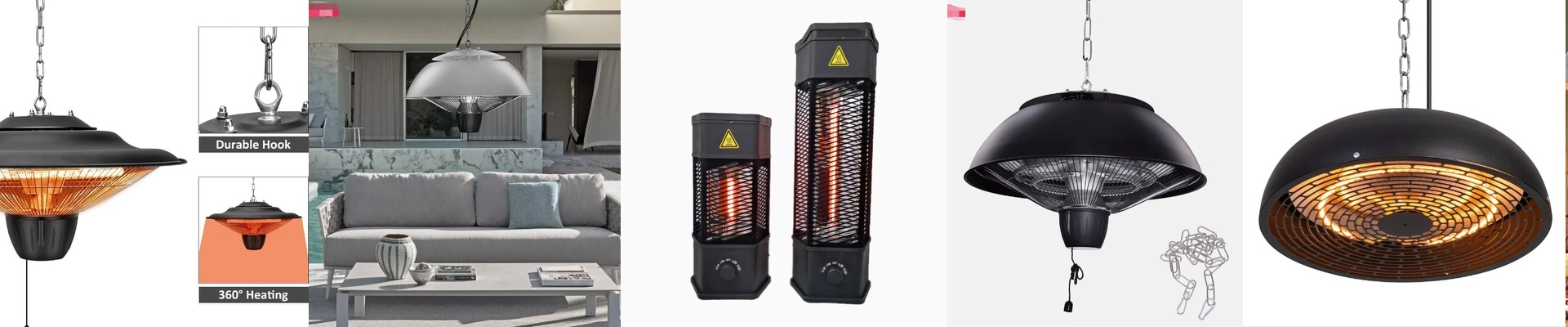
Why we’re swapping old bathroom heat lamps for IP44 Infrared
If you’re renovating your bathroom, you’ve probably noticed that those old-school heat lamps are disappearing. People are moving toward IP44 infrared systems instead. It’s not just a trend—it actually comes down to how heat works and, more importantly, how to keep your house from burning down. Let’s talk about that “IP44” thing first. In a bathroom, you aren’t just dealing with a bit of steam. You’ve got splashes, drips, and high humidity everywhere. An IP44 rating is basically a promise that the unit can handle water splashing at it from any angle without freaking out. We build them this way because water and electricity are a nightmare pairing. If you put a cheap, non-rated lamp in a wet zone, the water can short the circuit or cause the heating element to crack. It’s a fast track to a broken fixture or a tripped breaker. But why infrared? Here is the thing about traditional lamps: they try to heat the air. But air is terrible at holding onto heat. You end up standing there shivering, waiting for the room to warm up, while your feet are still freezing on the tiles. Infrared is different. It doesn’t mess with the air; it goes straight for the target. It beams warmth directly onto your skin, your towels, and those cold tiles. We use short-wave emitters in these units. The result? You flip the switch andboom. You feel the heat instantly. No waiting around. No lag. Just warmth. The nitty-gritty details Now, putting out that much heat in a small space is a challenge. It puts a lot of stress on the materials. To stop the fixture from literally melting, we use tempered glass and heavy-duty, heat-resistant alloys. It keeps the unit compact but tough. One quick heads-up: these things pull a lot of power. If your home wiring is old or undersized, you’ll notice the heat isn’t as punchy as it should be. Before you install a few of these, just double-check that your breakers can handle the load. You don’t want the lights going out the second you try to get warm.