
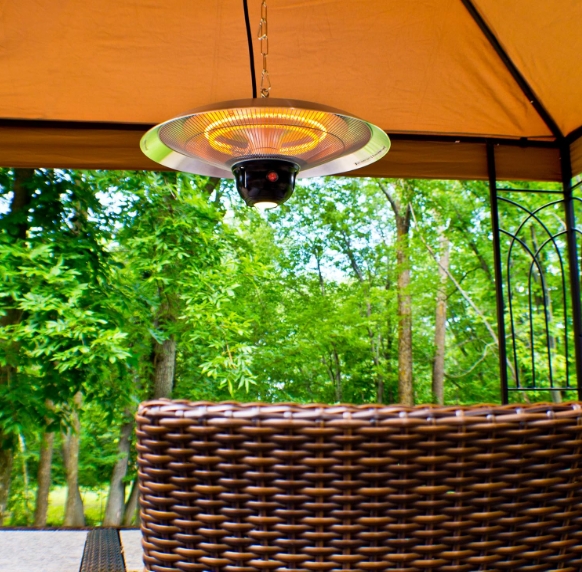
Why “Explosion-Proof” Quartz Actually Matters in Your Bathroom
Let’s be honest: putting a high-heat element in a room full of steam and splashing water is a bit of a gamble. If you use a standard quartz tube, you’re asking for trouble. Imagine this: your heater is glowing hot, and a stray drop of cold water hits it.**Pop.**That’s thermal shock. The glass can’t handle the sudden temperature swing and it just shatters. That’s why we use explosion-proof quartz. It’s built to take those hits without breaking a sweat. Even if the worst happens and the glass fails, it’s treated so it doesn’t spray shards all over your bathroom floor. It keeps everything contained and safe. But the glass is only half the story. Water and electricity are a nightmare pairing. We use IP-rated housings to keep the moisture away from the terminals, while the high-purity quartz sleeve keeps the electrical arc exactly where it belongs—inside the tube. Just a heads-up: make sure your wiring is grounded. In a steamy bathroom, you really don’t want the housing becoming live. Now, here is the trade-off. Because this quartz is tougher and sometimes has a protective coating, it doesn’t let quite as much raw heat through as those thin, industrial tubes you see in factories. You might lose a tiny bit of efficiency. But honestly? It’s a trade I’ll make every single time. I’d much rather have a heater that’s 95% efficient and safe than one that’s 100% efficient but risks exploding when you take a shower. If you’re installing a heater in a wet zone, this isn’t just a “nice to have.” It’s the only way to do it right.