

Keeping Locker Rooms Warm (Without the Headache)
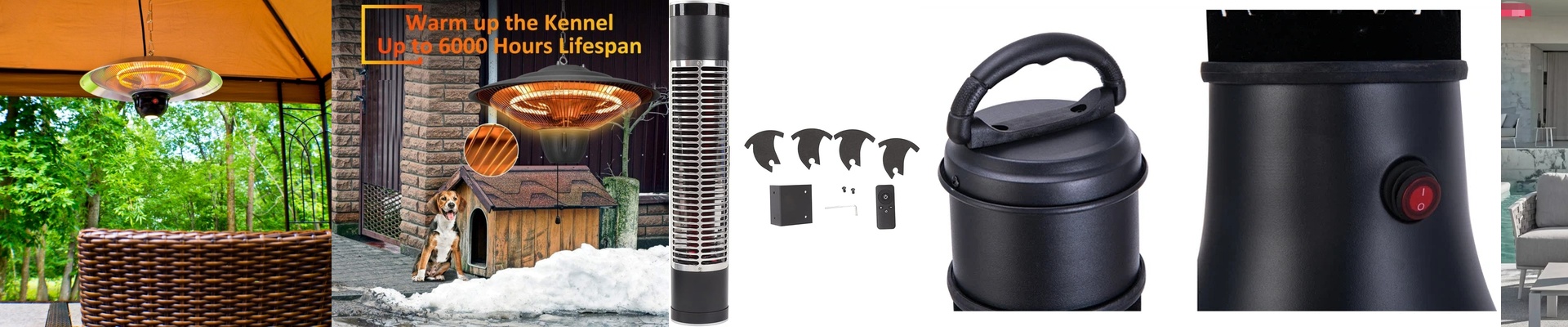
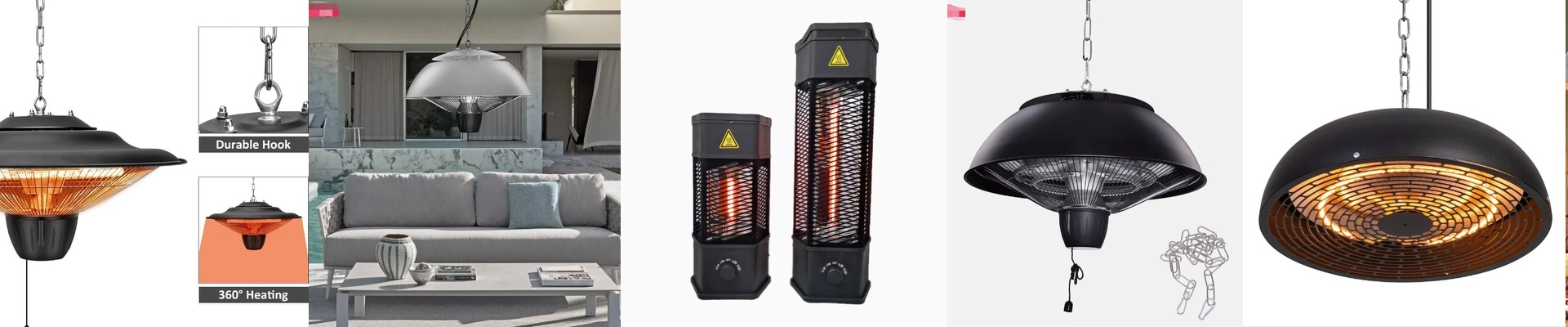
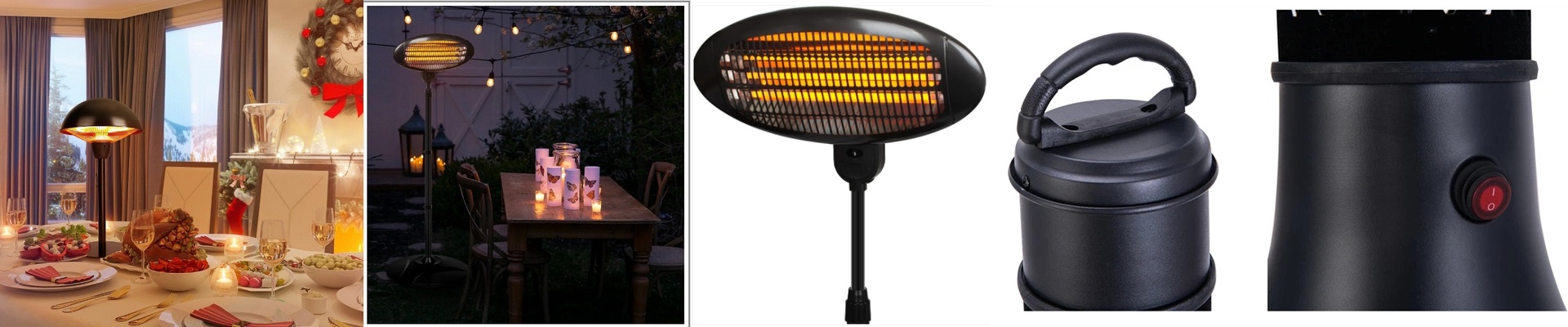
If you’ve ever tried to heat a changing room or a locker area, you know the struggle. You aren’t just fighting the cold; you’re fighting steam, humidity, and the occasional stray splash of water. Most standard heaters just give up in these conditions. That’s why we lean on IP65-rated infrared heaters. Here is the secret: these things don’t bother trying to heat the air. Instead, they send out shortwave radiation that hits you directly. It’s the difference between waiting for a room to warm up and stepping into a beam of sunlight. You feel it in seconds.
Why it actually works
Most heaters rely on convection—they warm up a big chunk of air and hope it doesn’t just drift away the second someone opens a door. Infrared is different. It travels in a straight line. We use quartz or halogen elements because they get hot almost instantly. When you’re standing there in a towel or light clothes, that heat sinks right into your skin. It’s that “five-star hotel” feeling. Not because of some fancy brand name, but because the heat is dense and immediate.
Dealing with the damp
Now, the “IP65” part sounds like tech-speak, but it basically just means the unit is dust-tight and can handle a blast of water without dying. We seal the electrical connections and the housing tight so moisture can’t sneak in and fry the wiring. But you have to be smart about it. High-wattage units get you warm faster, but they also make the guards get pretty hot to the touch. Plus, if you’re squeezing these into a tight space, make sure your circuit breakers can handle that initial surge of power when they kick on.
Setting them up and keeping them running
We’ve designed these to be simple drop-in replacements for your usual wall or ceiling mounts. Since they’re waterproof, you can actually hose down the room without stressing about the electronics. Just a heads-up: those quartz tubes are fragile. If someone bangs into a unit or hits it with a heavy bag, the seal can crack. Once that happens, your waterproof protection is gone. Do yourself a favor and check the gaskets once a year. It takes two minutes and saves you from a massive headache later.