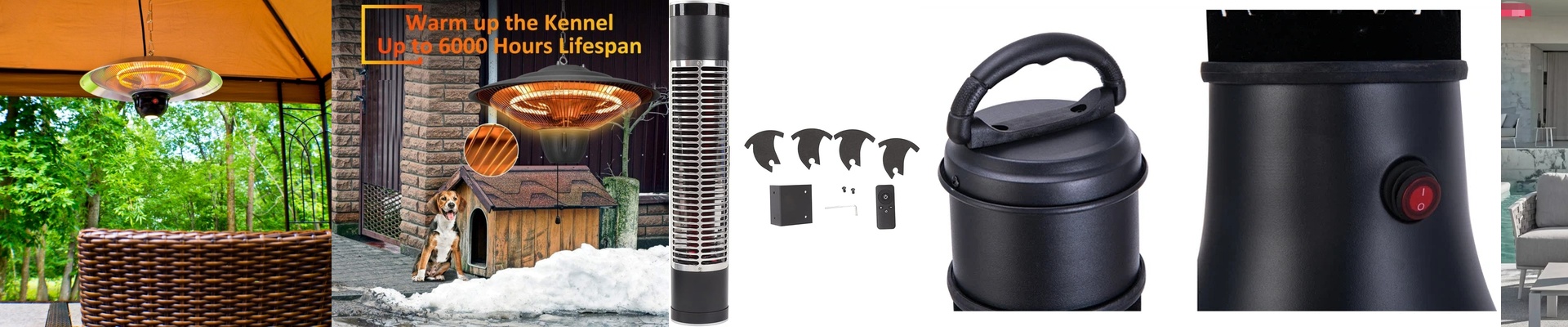
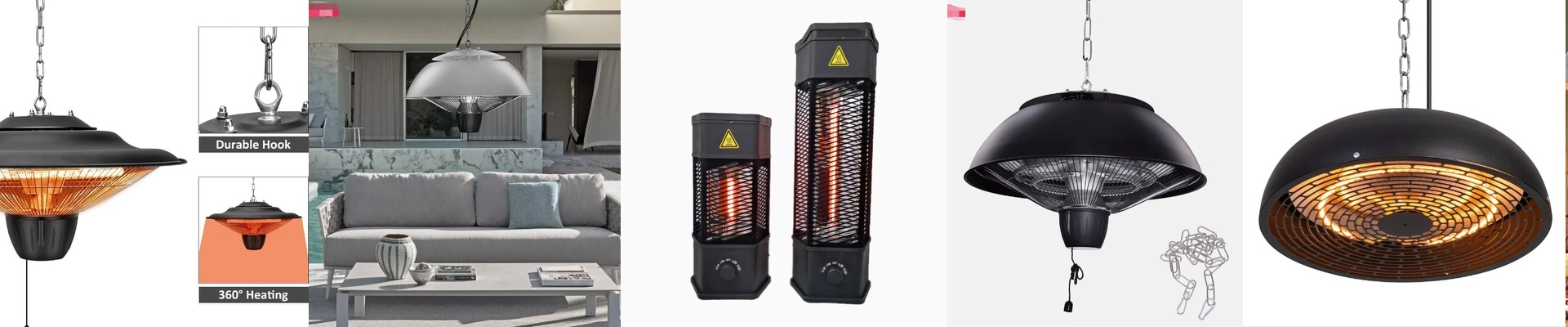
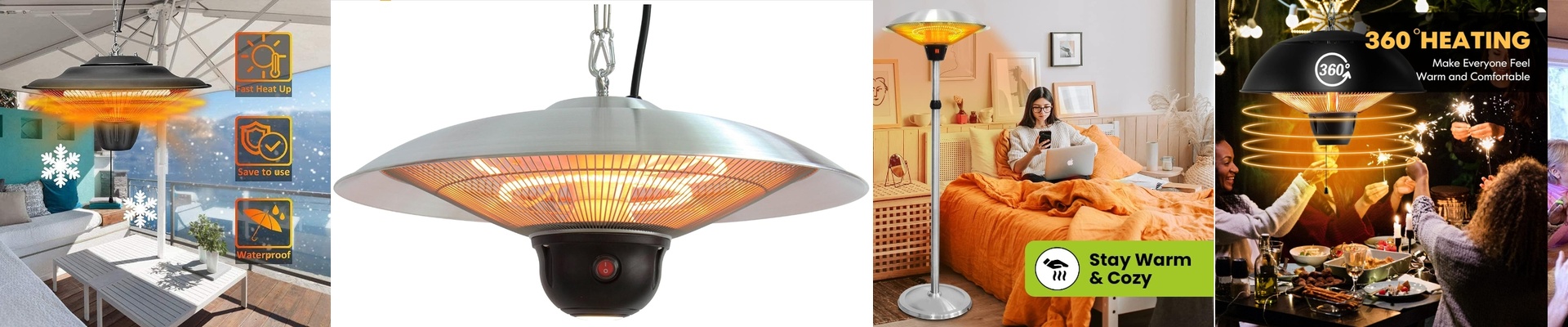
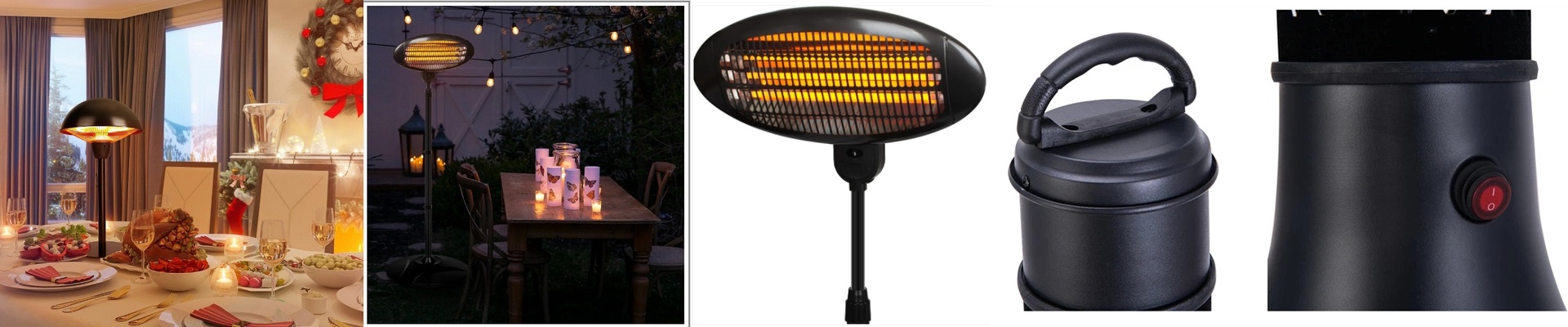
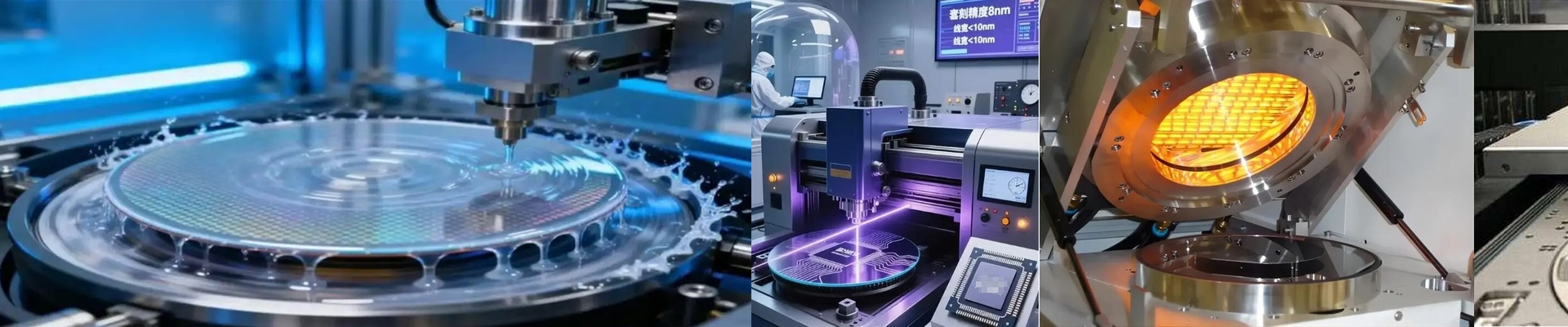
Keeping Changing Rooms Warm Without the Headache
Let’s be honest: luxury spa or gym changing rooms are a nightmare for heating. You’ve got steam everywhere, water splashing all over the place, and people who just want to feel warm the second they step out of the shower. If you try to use a standard heater, you’re wasting your money. Those things just try to warm up the air, and in a big, open room, that heat just floats away. It doesn’t work. That’s why we go with shortwave infrared.
Heat You Can Actually Feel
Here is the secret: infrared doesn’t care about the air. It doesn’t try to fight the draft. Instead, it sends energy straight to the person—hitting their skin and clothes directly. It’s instant. You step under the beam, and you’re warm. No waiting around for the room to “warm up” while you’re shivering in a towel. We pack these units with plenty of power so that even if the room is freezing, the heat cuts right through.
Built to Survive the Steam
Water and electricity don’t mix. Simple as that. In a wet environment, most heaters just short out and die. We build ours to IP65 standards, which is a fancy way of saying they are dust-tight and can handle a direct blast of water from any angle. Whether it’s a humid sauna day or a cleaning crew going ham with a pressure washer, these units keep running. We use tempered glass and quartz tubes to keep the guts protected. But the real trick is in the seals. Most heaters fail because the rubber gaskets crack after getting hot and cold a thousand times. We use high-temp silicone. It doesn’t crack. It doesn’t leak. It just works.
A Few Things to Keep in Mind
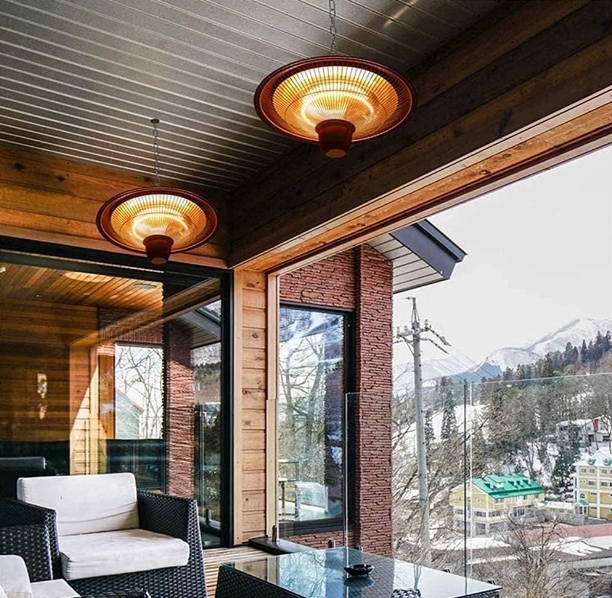
You’ll want to mount these on the ceiling or walls to get the best “throw” of heat. Just a heads-up: because we’re packing so much power into a small box, the casing getshot. Like, really hot. Don’t mount them right against wood or anything that could scorch. Give them some breathing room. And please, double-check your wiring. If you plug these into a low-voltage circuit, you’re going to be disappointed by the heat output. Make sure your electrical panel can handle the total load of every unit running at once. It’s a lot of power, but that’s exactly why it works.