Why Your Bathroom Heater Should Do More Than Just Stop the Shivers
Most of us think of a bathroom infrared lamp as that luxury that keeps you from freezing the second you step out of the shower. But if you look closer, it’s actually a secret weapon for fighting moisture. It isn’t just about feeling warm. It’s about stopping mold before it even thinks about moving in.
Getting the moisture out—fast
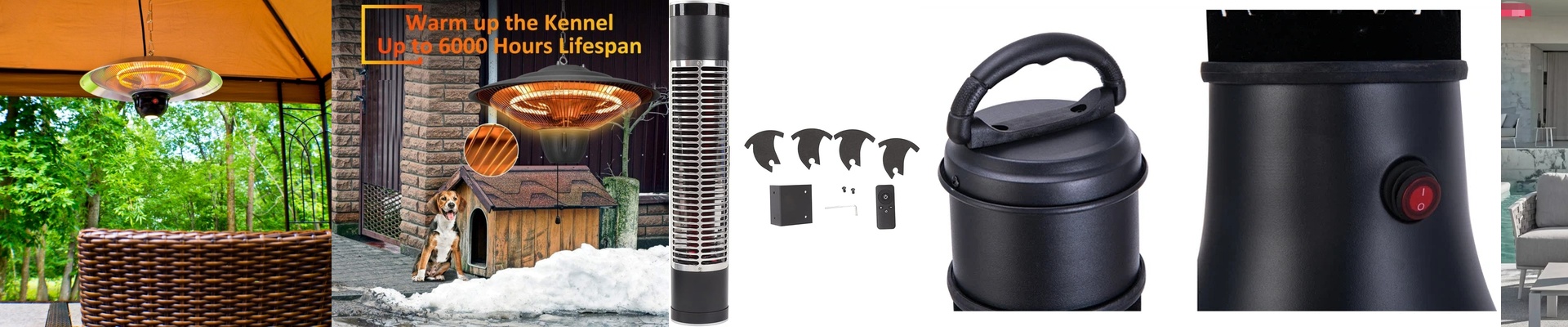
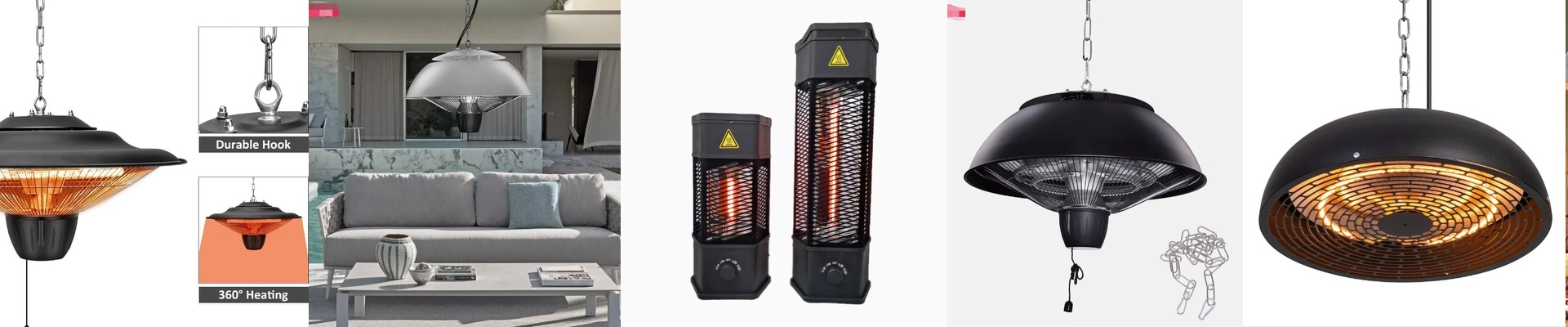
Here is the thing about standard heaters: they just warm up the air. And air is pretty terrible at moving heat around. Infrared is different. It sends out radiation that travels in a straight line until it hits something—your skin, the tiles, the grout. In bathrooms with high ceilings, we lean on shortwave and medium-wave infrared because they can actually soak into those porous spots, like your sealant, where water loves to hide. This energy pushes the trapped water out of the surfaces and turns it into vapor. It happens way faster than a regular heater could ever manage. When you dry out the walls and floors quickly, you’re basically taking away the food source that mold needs to grow.
Keeping the mold away
Mold loves those damp, chilly corners of a bathroom. That’s why we design these lamps to change the temperature of the room’s surfaces. The radiation hits the walls and floor, keeping them warm enough that condensation can’t settle. No condensation means no standing water. And no standing water means the fungi have nowhere to live. We use quartz envelopes for the bulbs to keep everything consistent. If the glass wears down, you lose those specific wavelengths that do the heavy lifting deep in your walls.
Finding the sweet spot
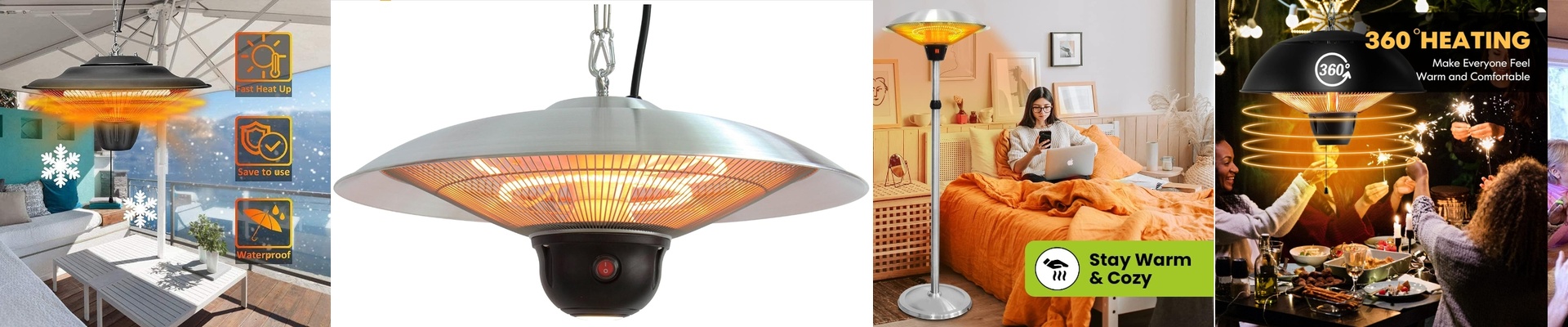
Now, you might think “more power is better,” but it’s a bit of a balancing act. High-wattage lamps are great for killing moisture, but they can create “hot spots.” If you put a massive lamp in a tiny bathroom, you’ll end up with one spot that’s scorching while the corners stay damp. You have to match the wattage to your ceiling height so the heat spreads evenly. And please, don’t skimp on the wiring or the fixtures. Using heat-resistant gear is the only way to make sure you don’t burn out your sockets.