Stop Losing Money Every Time the Temperature Drops
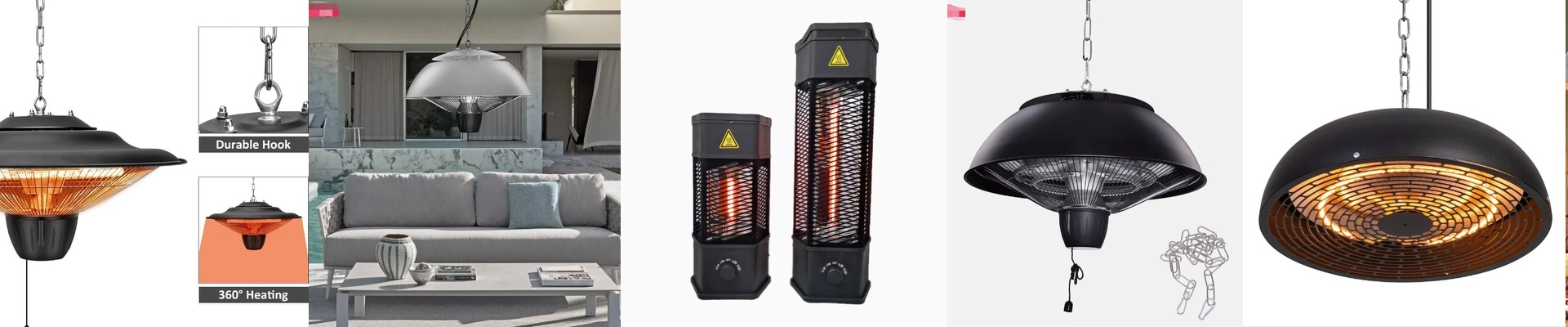
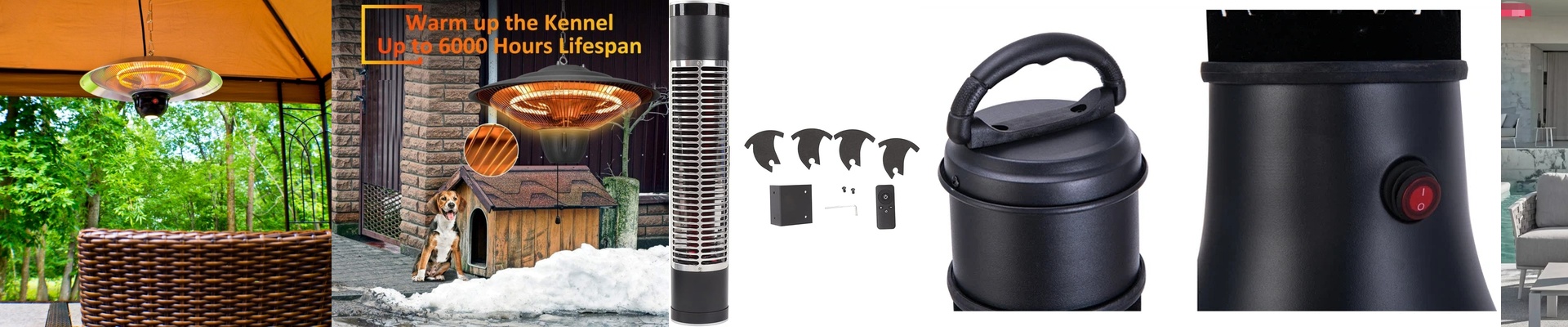
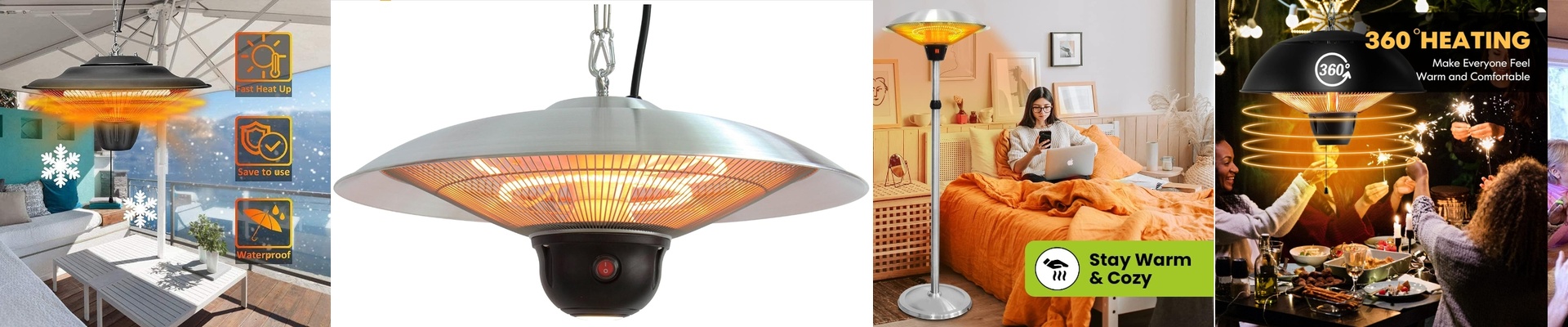
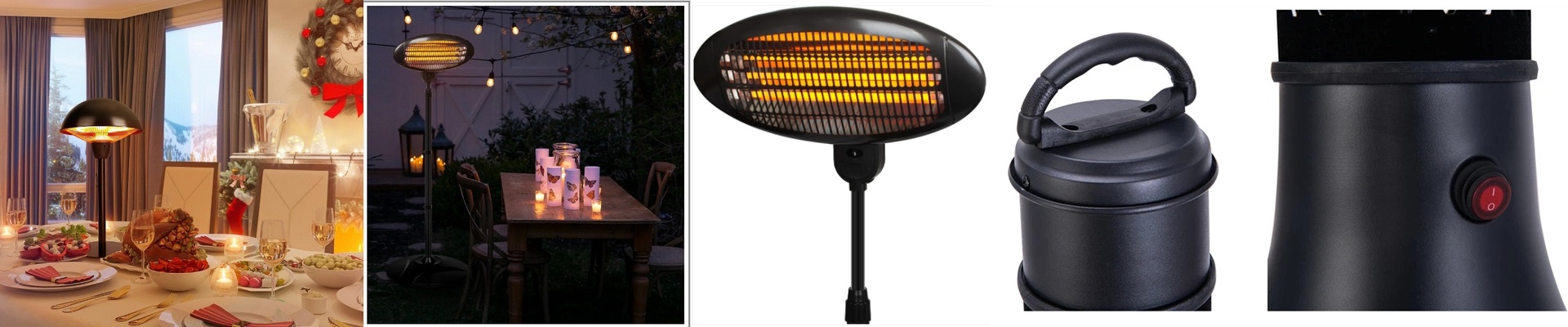
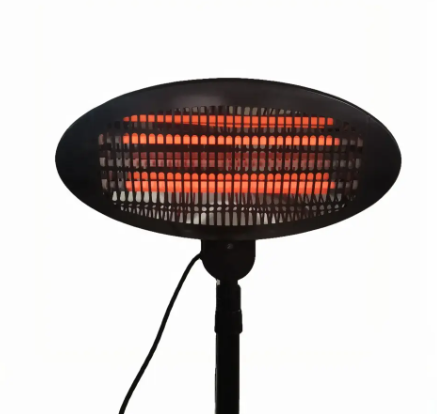
Let’s be honest: the second it hits 15°C outside, your patio becomes a ghost town. It’s frustrating. You’ve got the space, you’ve got the tables, but your guests are shivering. Most people try to fix this with standard heaters, but those just warm the air. And in an outdoor setting? The wind just carries that heat away. It’s a waste of money. That’s why we use shortwave infrared. Instead of fighting the wind, these heaters warm people and objects directly. It feels like standing in the sun on a crisp autumn day. The breeze can blow all it wants—your guests stay warm. Getting the power right Here is the tricky part: you can’t just slap any heater on a wall. You need the right “heat density.” We use high-wattage quartz elements to make sure the warmth actually reaches the guest. But you have to be careful. If you go too low, people are still cold. If you go too high, you’ll trip your breakers or create those annoying “hot spots” where one person is roasting while the person next to them is freezing. And since this is outdoors, everything is IP65 rated. That’s just a fancy way of saying rain and humidity won’t short out your system. Built to actually last Outdoor gear takes a beating. To stop rust from eating your investment, we use corrosion-resistant alloys and house the filaments in reinforced quartz glass. We don’t cut corners on the guts, either. Heavy-duty wiring and industrial seals mean you aren’t replacing the whole system after one brutal winter. Just a heads-up on the install: this isn’t a “plug-and-play” situation. These arrays pull a lot of current. You’ll need a pro to check your electrical panel and likely run some dedicated circuits so you don’t deal with voltage drops. The bottom line When you do this right, your patio stops being a “seasonal” thing and becomes a year-round money maker. Keeping your guests cozy at a steady 22°C means your tables stay full in January and February, not just July. The only trade-off? Your power bill will notice. To keep costs down, we suggest using dimmable controllers. That way, when the afternoon sun kicks in, you can dial the heat back and save some cash.