
Why you should ditch hot air for gold-coated IR
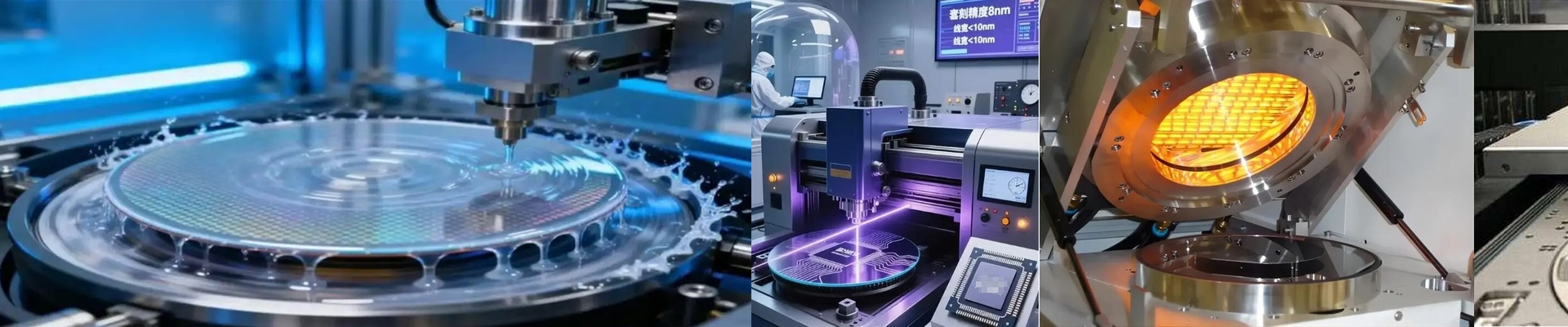
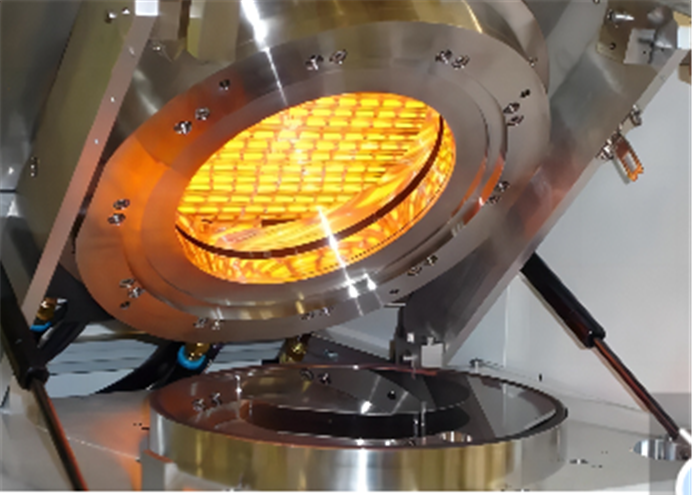
If you’re still relying on hot air circulation for semiconductor processing, you’re basically playing a waiting game. Think about it. You’re heating the air, and then hoping that air heats your part. The problem? Air is terrible at moving heat. It’s slow. It’s inefficient. In a high-stakes deep processing environment, that “wait time” is just money leaking out of your budget. That’s why we moved to twin-tube gold coated lamps. We just stop messing with the air entirely. The magic of the gold coating Standard quartz tubes are leaky. They let a ton of energy escape into the air around them. We fix that by adding a gold coating to the quartz. It acts like a mirror, bouncing all that infrared radiation straight back toward your workpiece. Instead of heating up the entire machine chassis—which does absolutely nothing for your product—you get a concentrated beam of heat hitting exactly where it needs to go. Double the tubes, way more power The twin-tube setup is a clever bit of engineering. By putting two filaments in one compact space, we can push a lot more wattage without burning out the filaments. The difference in speed is wild. A hot air oven feels like a slow soak. With IR, the heat hits the target in milliseconds. It’s nearly instant. Getting it into your line The good news is that these usually slide right into your old heating arrays. You just hook them up to a PID controller to manage your temperature zones, and you’re good to go. But, I’ll be honest with you: there’s a catch. Because the heat is so concentrated, you can’t just “set it and forget it.” If your conveyor belt slows down or your timing is off by a few seconds, you’ll scorch your substrate. You have to be precise with your speed and make sure your cooling system can actually handle that kind of thermal load. At the end of the day, switching to gold-coated IR is about one thing: killing the cycle time. You stop waiting for the air to warm up and just start heating the part.