Stop Waiting on Your Wafers: Why UHP Infrared is the Way to Go
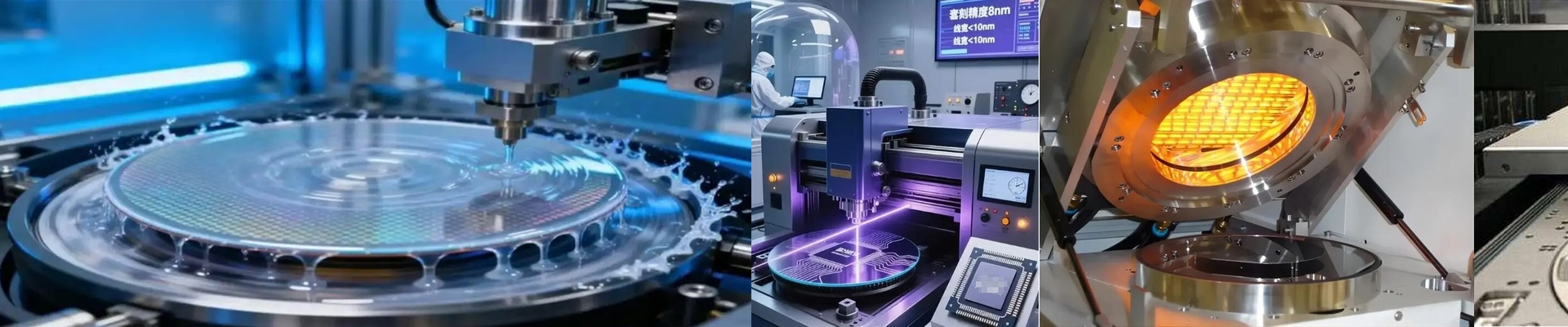
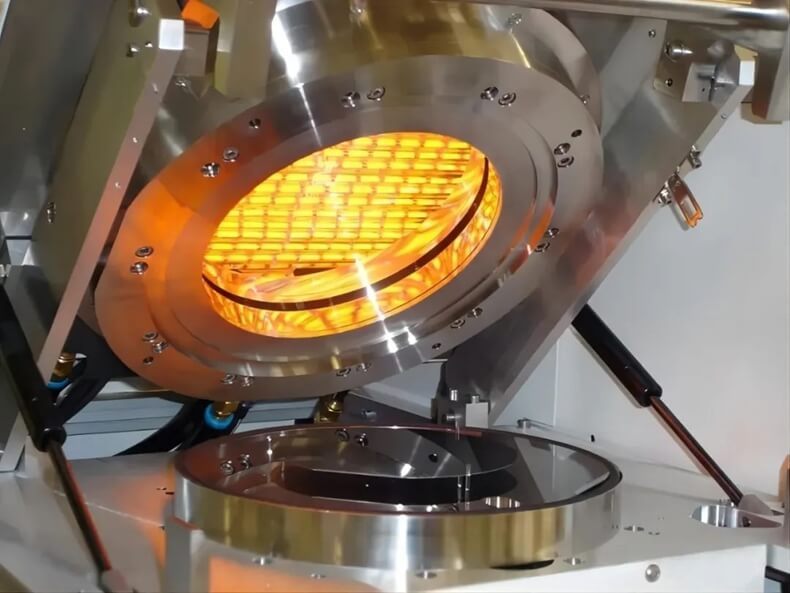
Let’s talk about the headache of heating in semiconductor processing. For a long time, we’ve leaned on hot air circulation. But here’s the thing: forced air is slow. You’re basically heating up the air just so the air can heat up the wafer. It’s an extra step that you don’t need. UHP infrared lamps skip the middleman. They use radiative transfer, meaning the energy hits the target at the speed of light.It’s instant.
The “Waiting Game” is Killing Your Margin
If you’ve spent any time in a high-volume fab, you know that thermal lag is a silent killer. You spend minutes just waiting for the chamber to hit a steady state. When you’re running at scale, those minutes aren’t just annoying—they’re lost money. Switching to UHP infrared lamps turns those minutes into seconds. You can tighten up your thermal profiles and push more wafers through the line without feeling like you’re redlining your hardware. It just flows better.
Keeping it Clean (and Precise)
Now, in this business, “clean” isn’t a suggestion—it’s everything. One tiny metallic ion leaching into your process and your whole batch is trash. That’s why we use high-purity synthetic quartz for these lamps. No contamination, no surprises. We also tune the wavelength emission to match exactly what your target material needs to absorb. Plus, because the power density is so high, the footprint is tiny. You can either cram more heating elements around the wafer or just shrink your heating zone to save space.
The Honest Trade-offs
I won’t tell you it’s a magic wand. There are a few things you have to get right. Since IR heating is directional, it doesn’t “wrap around” a part the way hot air does. If your reflectors or shielding are slightly off, you’ll end up with cold spots. You have to be meticulous with your reflector geometry to keep things uniform. And because these lamps pack so much punch in such a small space, you can’t skimp on your cooling manifolds. If they aren’t sized right, the lamp ends will burn out during rapid cycling. Get the cooling and the reflectors right, and you’ve got a system that’s fast, clean, and actually reliable.