

How to pick the right infrared wattage for your bathroom
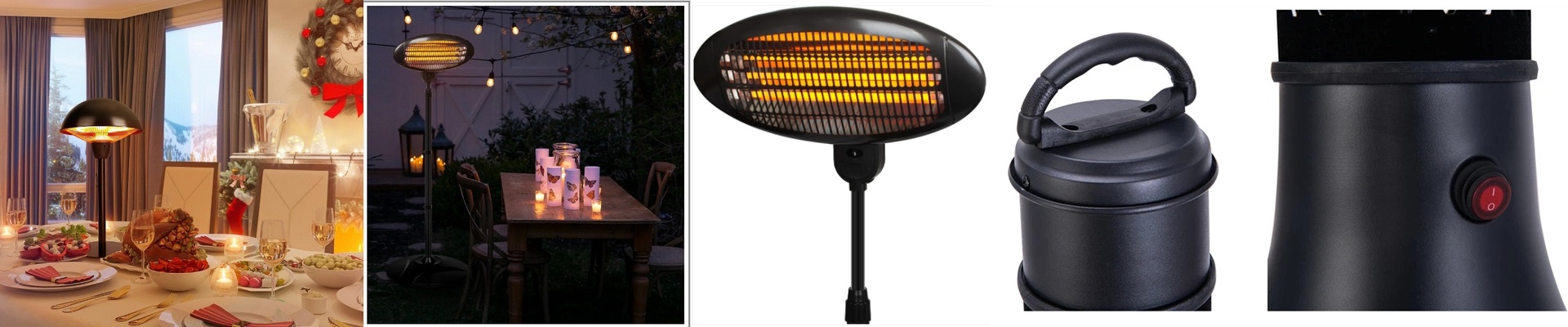
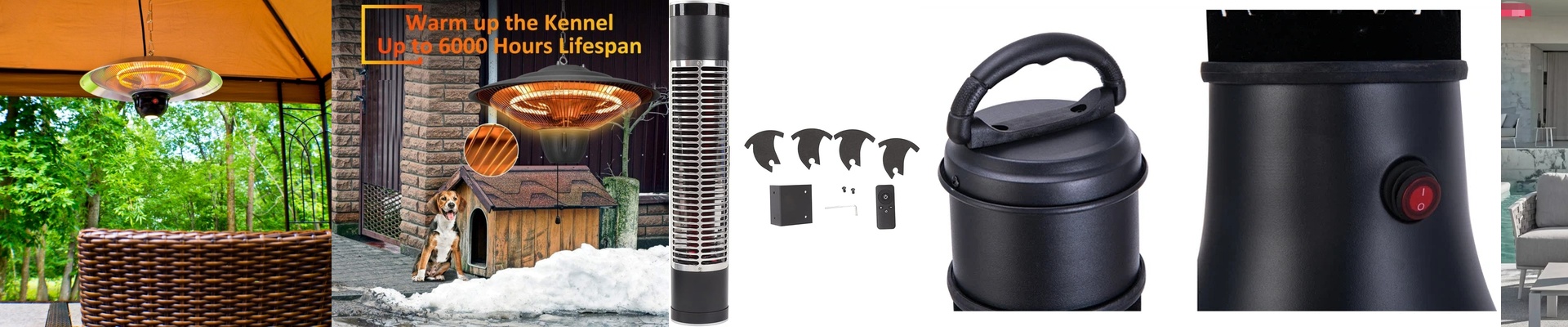
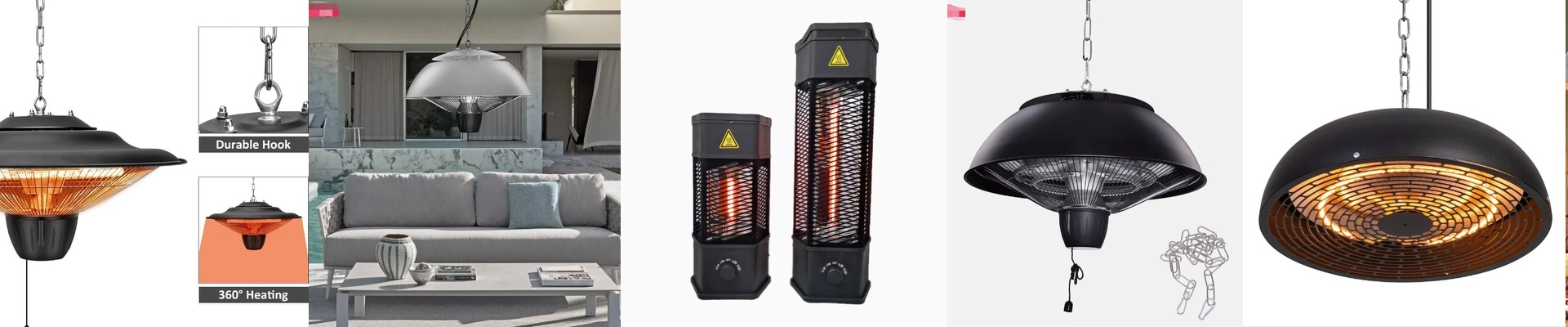
Here is the first thing you need to know: bigger isn’t always better. When you’re picking an infrared wall heater, you aren’t just hunting for the highest number on the box. It’s more about finding a balance between the size of the room and how much heat is actually escaping through those cold tiles and humid air. We use short-wave infrared lamps because they don’t bother heating the air—they heat you and the objects around you directly. It’s a much more immediate kind of warmth. Finding your number You’ve got to look at the footprint of your room. If you’re dealing with a tiny powder room (under 4m²), a 400W to 600W lamp usually does the trick. If you try to cram a 1200W unit in there, you’ll overshoot your temperature almost instantly. The thermostat will just keep clicking on and off, which is a great way to wear out your relays way faster than they should. For those mid-sized bathrooms (5-8m²), 800W to 1200W is the sweet spot. And for the big master baths (10m² and up)? You can either go with one heavy-hitting 2000W unit or a few smaller lamps spread around. I usually prefer the latter—it stops those annoying “cold spots” where you’re warm in one corner but shivering in the other. Where to put it Wattage is basically “heat density.” A powerful lamp in a small space creates a very intense zone of heat. If you mount a 1500W lamp too low, you’re going to feel it—and not in a good way. You could actually burn yourself. Keep these units high up, around 2.1 to 2.4 meters. That gives the infrared waves room to spread out before they hit the floor, making the warmth feel more natural. The efficiency trap A lot of people think lower wattage saves money. Not necessarily. Higher wattage just means it heats up faster. If your bathroom is drafty or has poor insulation, a low-wattage lamp might just run forever, struggling to hit the target temperature. That actually wastes more electricity than a powerful lamp that blasts the room warm and then shuts off. Just a heads-up: double-check your wiring. Make sure it can handle the current draw so you aren’t constantly tripping your breakers.