Why Your Bathroom Heater Needs “Explosion-Proof” Quartz
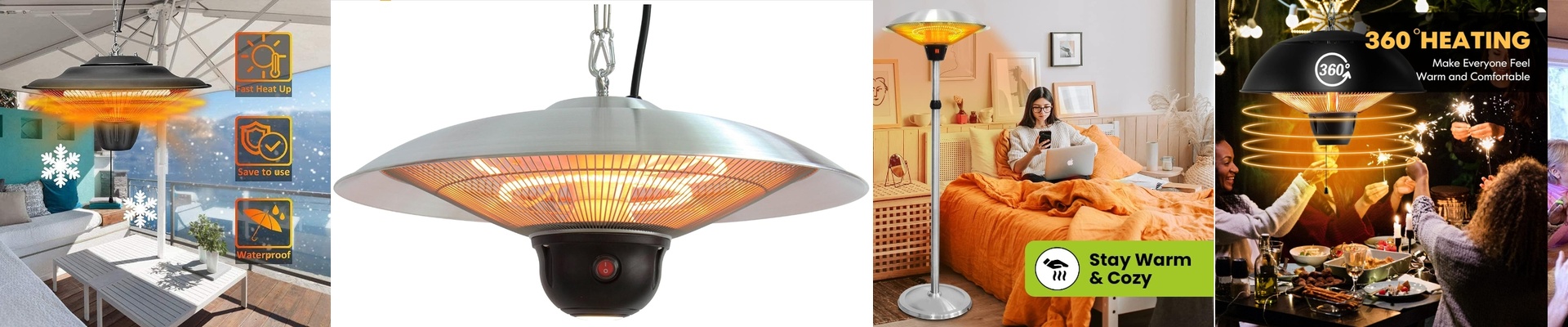
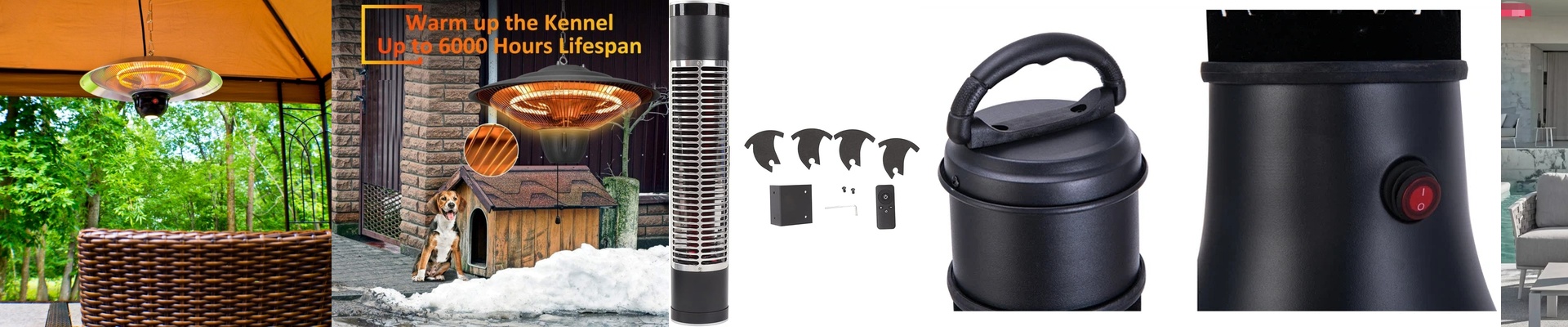
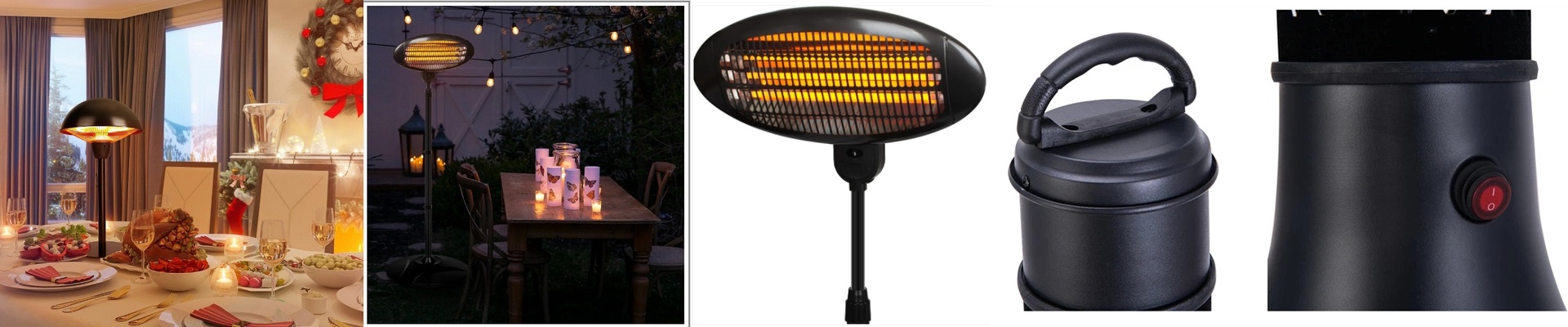
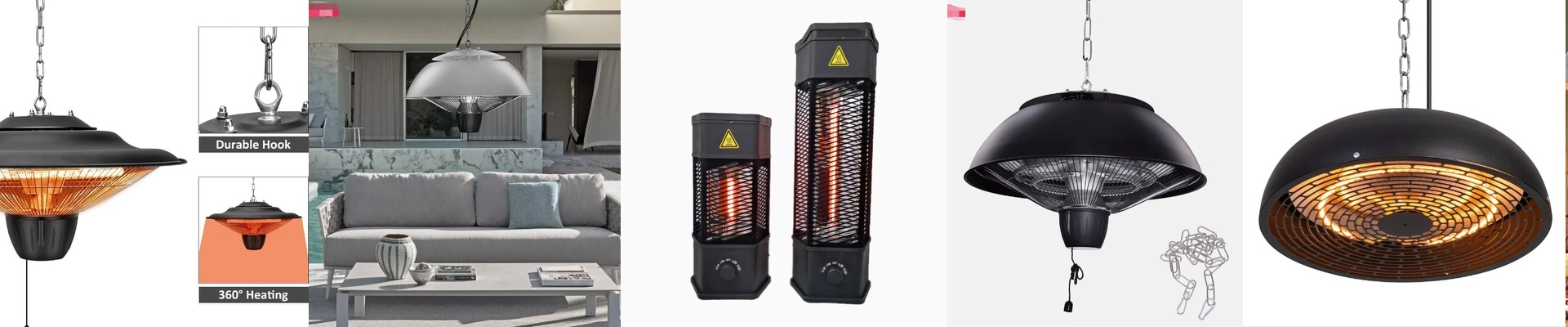
Ever notice how a bathroom is basically a war zone for electronics? You’ve got freezing cold water splashing everywhere and a heating element glowing at hundreds of degrees. When a cold drop hits that hot glass, it’s a recipe for disaster. In a cheap heater, that’s when you hear that dreaded pop and see the glass shatter. That’s where the “explosion-proof” quartz comes in. Now, it sounds intense, but it’s actually pretty simple. We use a specific kind of quartz glass that doesn’t freak out when the temperature swings wildly. Even if the glass does happen to crack, it’s designed to hold onto the tungsten filament inside. Plus, we add a protective mesh or a special coating. Think of it as a safety net. If the tube fails while you’re in the shower, the glass stays put instead of spraying across the room. It’s just a smart way to make sure a broken bulb doesn’t turn into a bigger problem. Instant heat, but with a catch. These heaters use short-wave infrared. I love this stuff because you don’t have to wait for the air in the room to warm up. You flip the switch, and you feel the heat on your skin immediately. But here’s the thing: high power means high heat. The more wattage you pump in, the faster that tube gets scorching hot. If you’re installing one of these, make sure there’s plenty of breathing room in the ceiling. If it’s too cramped, you might actually melt the plastic fixtures around it. Not a great look. Keeping things running We’ve kept the connectors standard, so swapping these out is a breeze. It’s a simple drop-in fix. Just one warning:**get your seals tight.**If steam leaks into the electrical housing, you’re going to short the circuit, and that’s a headache nobody wants. One last tip: keep an eye on the glass. If the tube starts looking cloudy, it’s losing its touch and won’t move heat as well. It’s way cheaper to swap out a cloudy tube now than to replace the entire ceiling unit after it finally burns out.