
Why We Built Our Ceiling Heaters to Be Modular
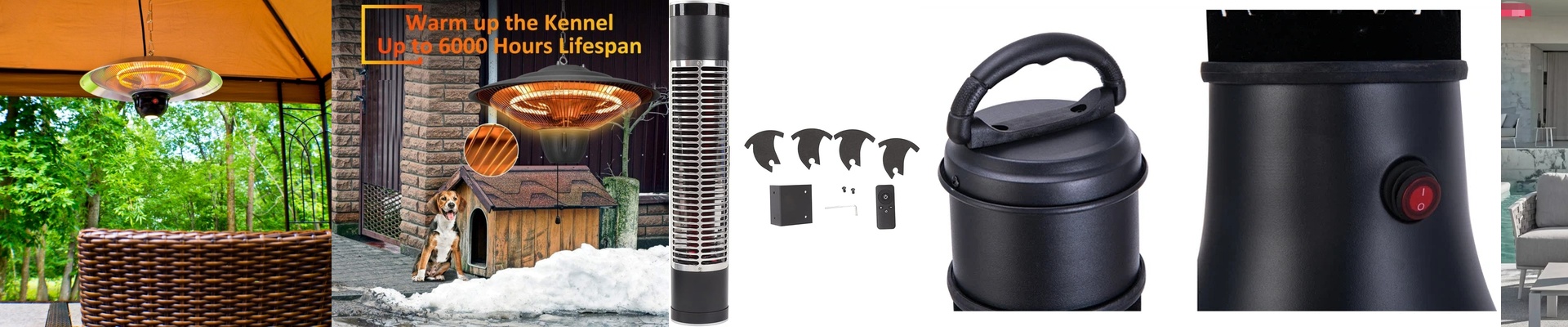
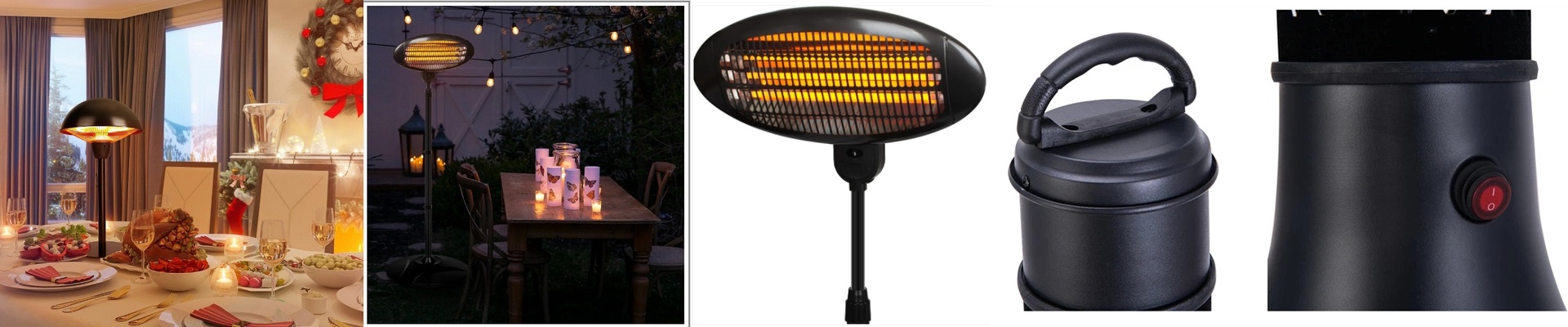
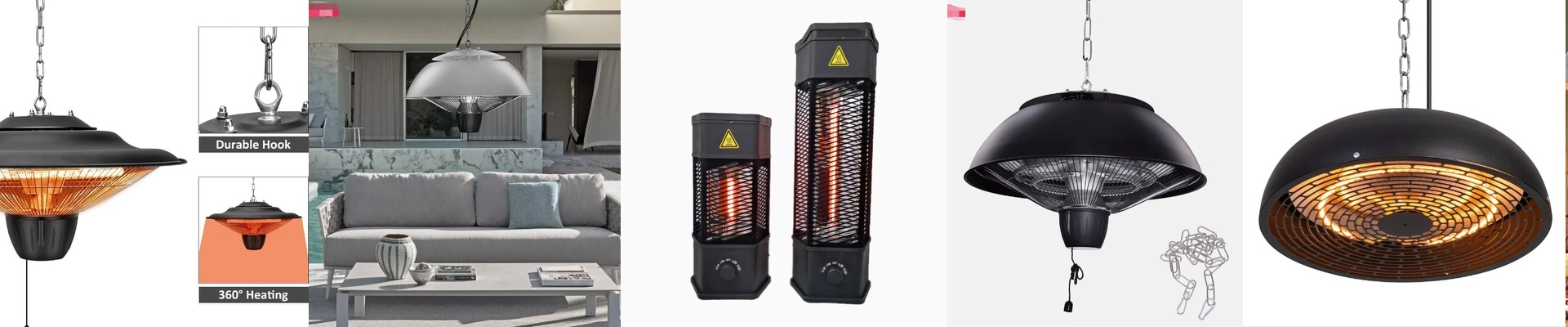
Recessed infrared heaters are great for saving floor space—everyone loves a clean room. But let’s be honest: they can be a total nightmare to maintain. Usually, when something goes wrong, you’re stuck staring at a ceiling, wondering why it has to be this hard. We decided to fix that with a modular chassis.
The headache of the “single unit”
Here is the problem with most heaters on the market: they’re wired as one giant piece. Imagine it’s five years down the line and a heating element finally gives out. To fix it, you usually have to rip out the entire housing or spend half your day wrestling with cramped wiring inside a dark ceiling void. It’s frustrating, it’s slow, and it’s a waste of time. We do things differently. We separated the heating element and the electrical bits from the main frame.
Just slide it out and swap it
We went with a “drop-in” system. Think of it like a tray. The heating tubes sit in a removable base with quick-disconnect terminals. You don’t have to mess with the rest of the circuit. You just pull the module out, swap the tube, and slide it back in.It turns a multi-hour ordeal into a few minutes of work. And because we use standard industrial connectors, the fit is tight. That matters. Loose connections cause arcing and heat buildup, which is basically a death sentence for your heating element. A secure lock keeps everything cool and running longer.
The honest trade-off
Now, I’ll be straight with you: modular systems cost a bit more upfront. You’re paying for better hardware and tighter tolerances. But think about the alternative. Paying a technician to spend hours fighting a recessed ceiling is expensive. Spending a little more on the chassis now means you aren’t bleeding money on service calls later. One quick tip: make sure your ceiling void has enough breathing room for the module to slide out. If the install is too tight, the whole “easy swap” benefit disappears. Just double-check your clearance before you bolt everything in.