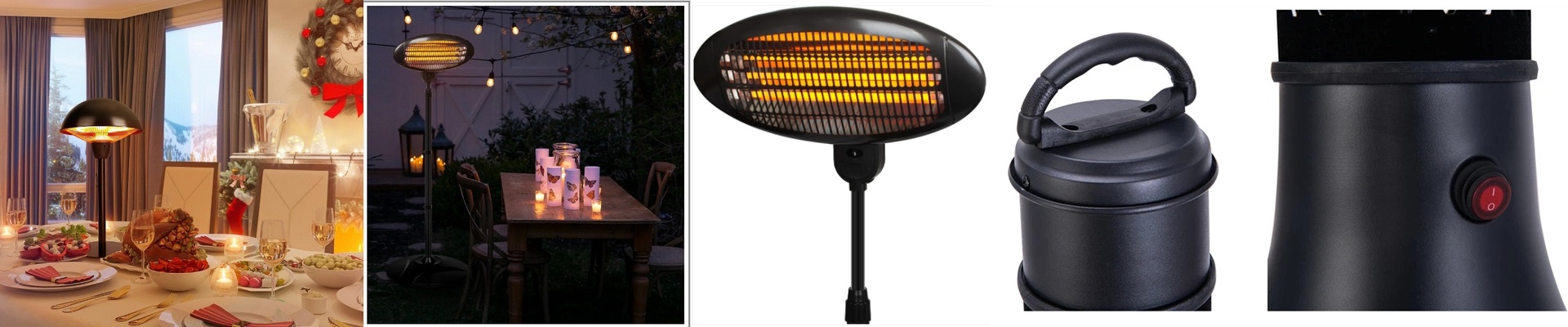
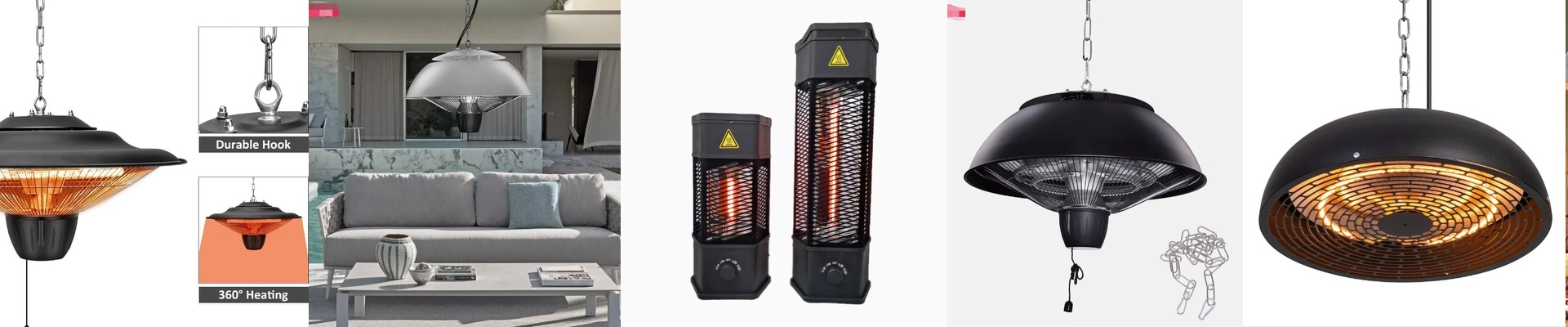
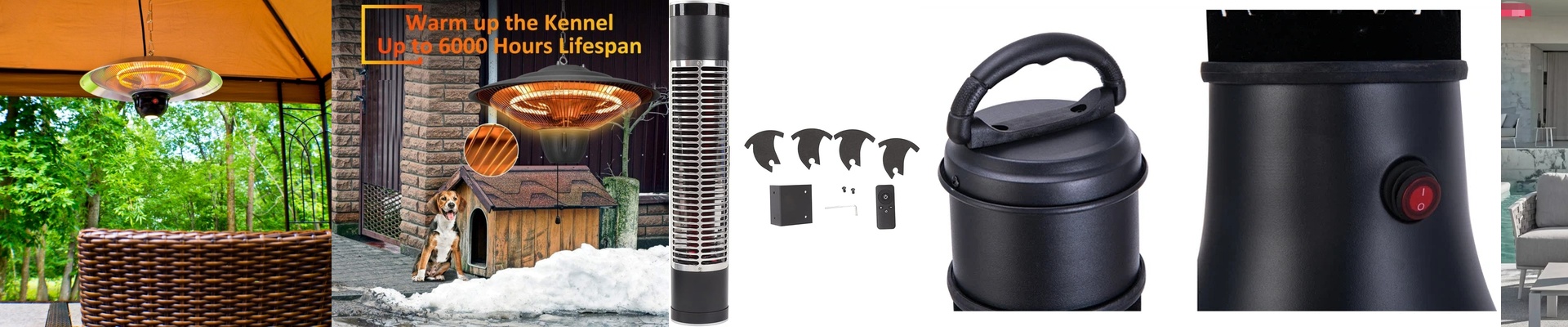

Making Infrared Heaters That Don’t Blind You (and Won’t Leak)
When you’re designing a heater for a bathroom or an outdoor spot, you usually run into a annoying problem: the more heat you pump out, the brighter the light gets. Now, if you’re putting these in a room where babies are around, that blinding orange glow isn’t just annoying—it’s a real problem for sensitive eyes. So, we had to figure out a way to keep the warmth but kill the glare.
The Trick to the Glow
Most short-wave lamps act like a spotlight you didn’t ask for. To stop that, we use special coatings and filtered quartz glass on the heating elements. Think of it like a pair of sunglasses for the heater. It blocks the photons that make you squint and concentrates all that energy into the infrared band. You feel the heat on your skin, but your eyes stay relaxed. It’s just basic physics, really—we’re just filtering out the “noise” so you get the warmth without the headache.
Dealing with Steam and Splashes
Bathrooms are basically torture chambers for electronics. Between the steam and the occasional splash, things get messy fast. That’s why we build these to IP66 standards. In plain English? They’re dust-tight and can take a high-pressure jet of water right to the face without flinching. We use silicone gaskets and tempered glass seals to make sure not a single drop of moisture touches the electrical terminals. But here’s the catch. Because the seal is so tight to keep water out, the heat gets trapped inside. If you aren’t careful, you’re basically baking your own wiring. To stop this, we use die-cast aluminum heat sinks to pull that heat away from the guts of the machine. Just a heads-up: if you install these in a spot with zero airflow, the lamps won’t last nearly as long.
Getting Them Up and Running
We made these as easy drop-in replacements for your usual ceiling fixtures. The wiring is a breeze. One thing to watch out for, though: your circuit breaker. These heaters hit full temperature in a matter of seconds. That creates a massive, instant surge of power on the line. Just make sure your electrical panel can handle that sudden “kick” when you flip the switch, and you’re good to go.