Getting Your MEMS Wafers Dry Without Breaking Them
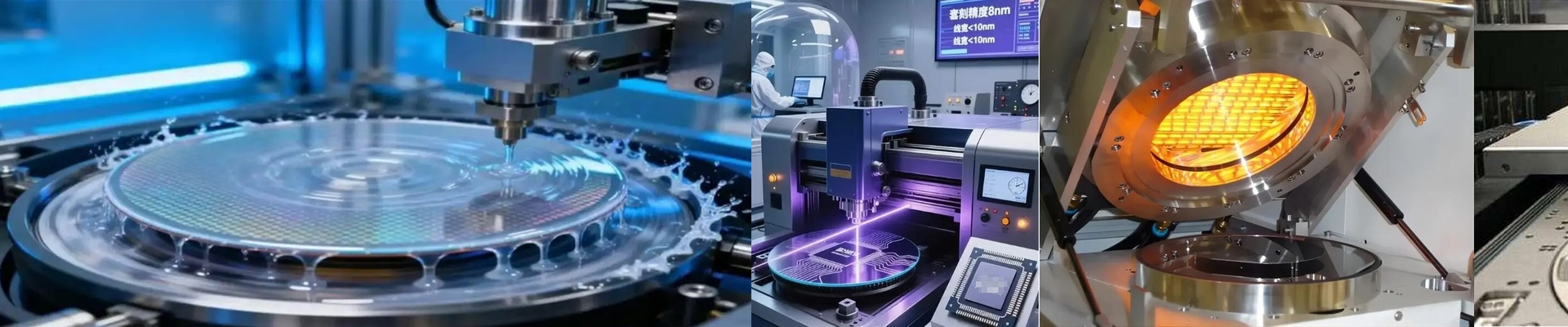
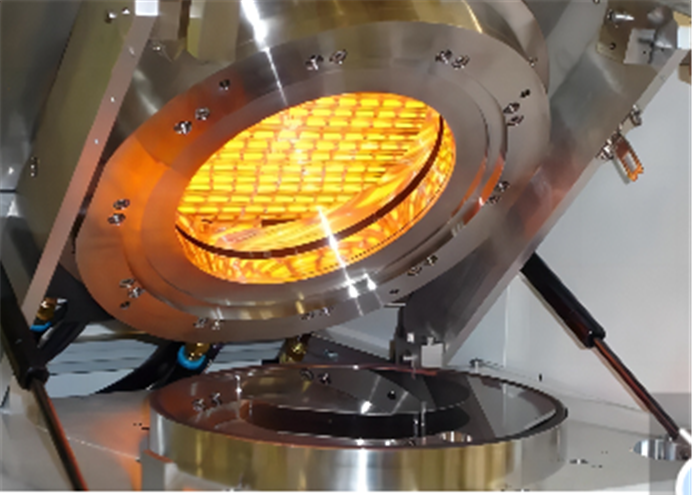
Drying MEMS sensor wafers is a bit of a balancing act. You need heat—and you need it fast—to get rid of moisture, but if you’re not careful, you’ll end up wrecking those tiny, delicate micro-structures. To get this right, we use specialized infrared heaters. But the secret sauce is actually the gold-coated reflectors. They make sure the energy actually hits the wafer instead of just heating up the inside of your machine.
Why we use gold (and not aluminum)
Here’s the thing: standard aluminum reflectors are okay, but they soak up too much infrared energy. It’s wasteful. We go with a high-purity gold coating because it’s incredible at bouncing near-infrared light right where it needs to go. It creates a much tighter beam of heat. And because that energy is so focused, you can actually turn down the total wattage of your system and still hit the exact surface temperature you need on the silicon. It’s just more efficient.
Handling the heat
When you’re setting up a drying system, you’re usually looking for a short, intense burst of heat. Gold reflectors give you that spike in heat density at the focal point, which is exactly what you want for fast drying cycles. But a word of caution: keep an eye on your wafer carrier. Since the heat is so concentrated, you can get localized hot spots that might warp your materials. Plus, don’t overlook your cooling fans. If they aren’t beefy enough to handle the reflected heat building up in the chamber, your ambient temperature will start to drift. Once that happens, your process repeatability goes out the window.
Keeping things running
We keep these heaters small so they can squeeze into tight vacuum or atmospheric chambers without a fight. One thing to watch out for, though: that gold layer is thin. Really thin. If you’re working with corrosive gases, you’ll want to shield the reflectors, or the chemicals will eat right through them. I’d suggest a quick, regular check for any pitting or discoloration. If the gold starts to degrade, your efficiency tanks. You’ll find yourself cranking up the power just to compensate, and that’s a fast track to burning out your lamps way sooner than you should.