Keeping Your Wafer Curing Lamps from Blowing Things Up
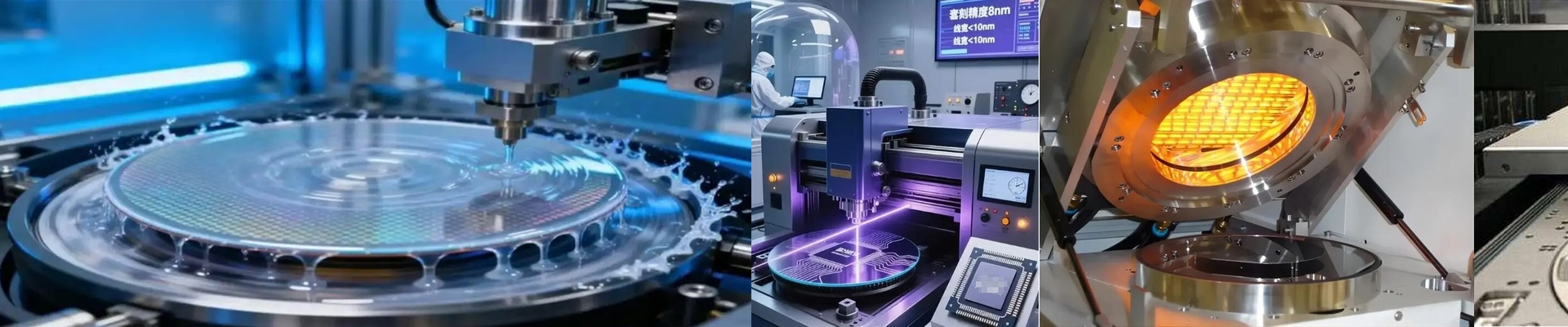
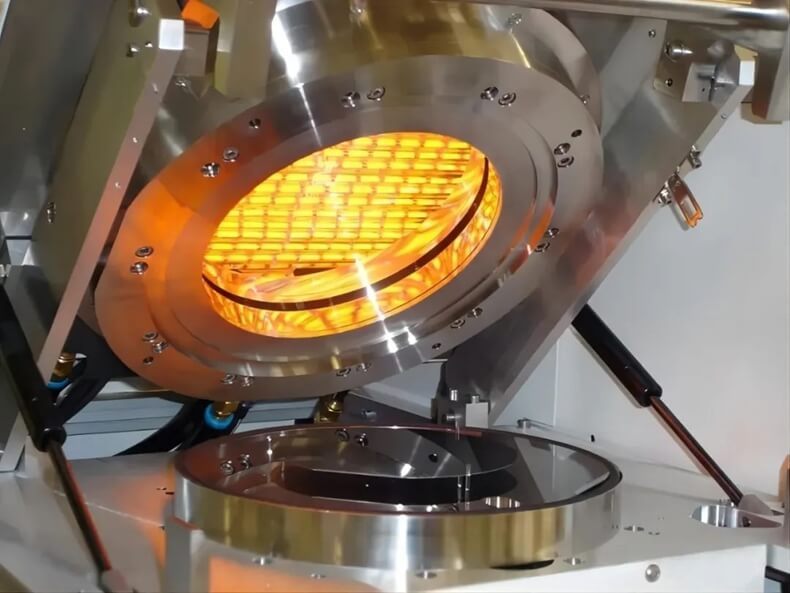
Let’s be honest: putting high-heat IR lamps inside a chamber full of volatile chemicals is a nerve-wracking prospect. You need the heat to get the job done, but you’re basically placing a spark plug in a room full of flammable vapors. A basic off-the-shelf lamp isn’t just a bad choice here—it’s a liability. That’s why we build our reflector and lamp assemblies to act as a fortress, keeping the heat source and the atmosphere completely separate. The Seal That Actually Holds We don’t mess around with the sealing. We use a hermetic process that locks everything down tight. No vapors get inside the housing, and no sparks get out. The reflector does more than just bounce light; it’s your primary line of defense. We use high-purity quartz glass and gaskets that can actually handle aggressive cleaning agents without melting or warping. You know those cheap seals that crack the moment the temperature swings? We’ve moved past that. Getting the Heat Where it Belongs The goal is to bake the wafer, not the entire chamber. To do that, we use gold-coated or high-reflectivity aluminum. It focuses the shortwave IR radiation into a tight beam aimed right at the target. Because the beam is narrower, the chamber walls stay cooler, and the wafer gets a much more intense hit of heat. This means your curing cycles happen faster. Simple as that. The Trade-off (The Part Most People Forget) Here is the thing: high-intensity lamps get incredibly hot at the terminals. Since our encapsulation is so airtight, it traps that heat inside. If you’re running a high-wattage setup, you can’t just “set it and forget it.” You need to make sure your cooling fans or liquid jackets are actually beefy enough for the load. If the air doesn’t move around the housing, the internal parts will hit their limit and trip your breaker. It’s a pain, but it’s better than a dead system. If your power supply matches the voltage, these units should slide right into your existing curing lines without any fuss.