

Stop Your Infrared Heater Leads From Dying Early
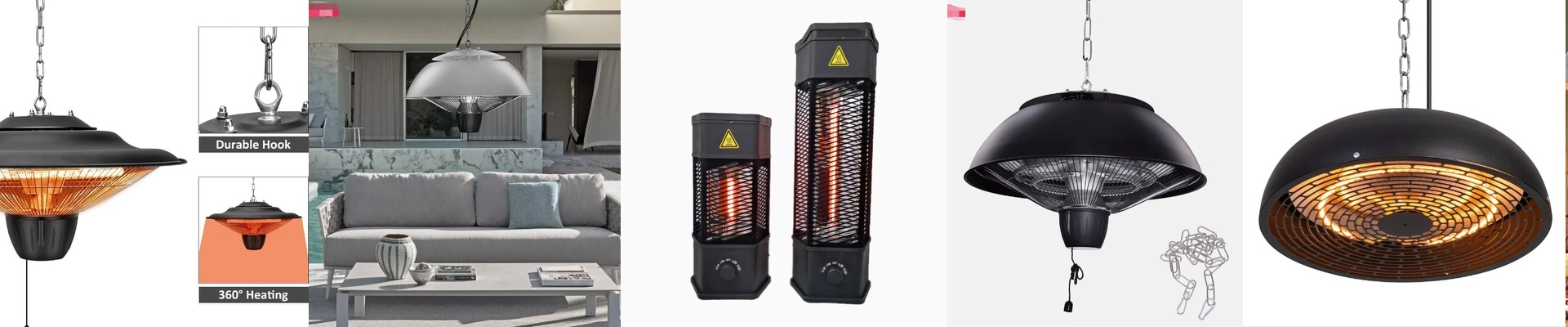
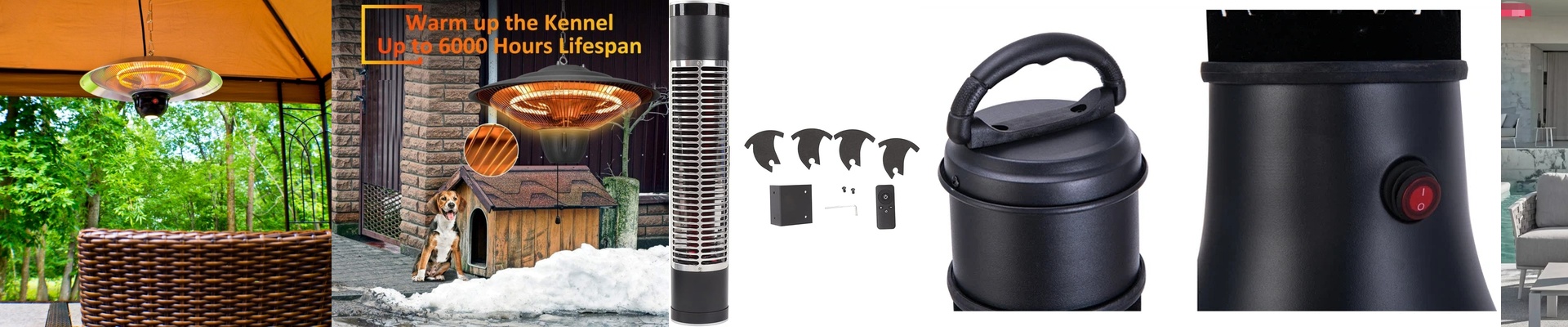
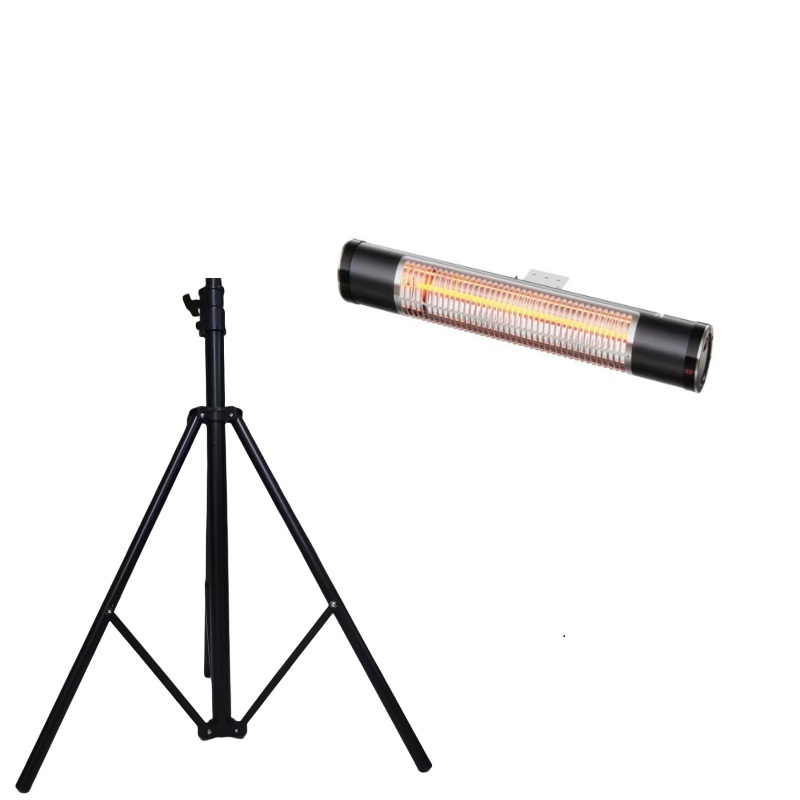
Bathroom infrared heaters live in a nightmare. On one side, you’ve got intense, high-wattage heat. On the other, you’ve got thick, humid steam. Most of the time, when these things fail, it happens right at the lead-wire junction. That’s the weak spot. Moisture sneaks into the insulation, things start to carbonize, the materials age way too fast, and then—pop—you’ve got a dead short.
Why the wires actually fail
A lot of standard builds just use basic shrink-wrap or some cheap silicone. In a bathroom, that’s a recipe for disaster. Think about the temperature swings. The wires expand when they’re hot and shrink when they cool down. Over time, this creates tiny, invisible gaps in the seal. Once steam finds those gaps, it starts eating away at the copper and the insulation. The insulation gets brittle. It cracks. And the next time the heater hits peak temp, current leaks through those cracks. That’s how you end up with a short circuit.
The difference with OEM-grade sealing
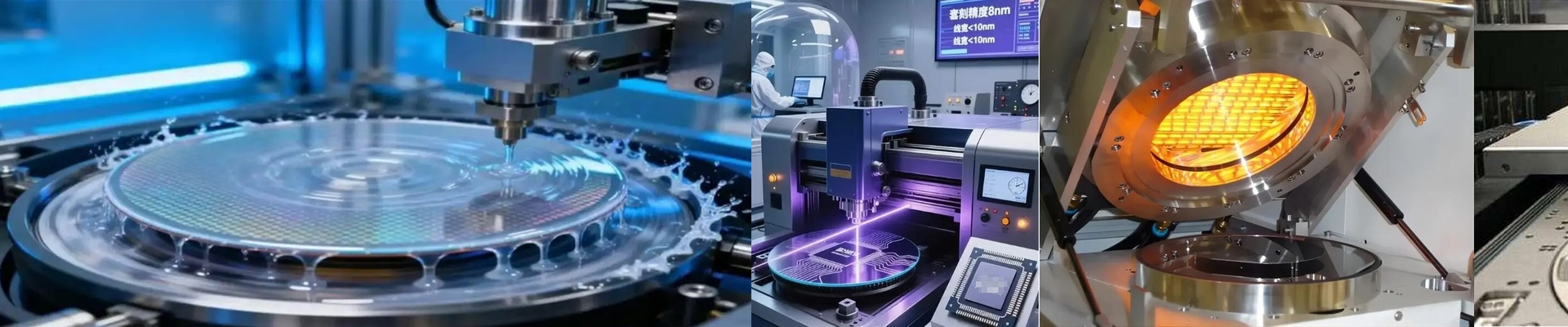
We do things differently to stop that leak. We start with high-temp fluoropolymer sleeves—stuff that can take a beating without melting. But we don’t just slide them on and call it a day. We use a vacuum-sealed potting compound right at the transition point. It creates a physical wall that moisture just can’t get through, even when the pressure is on. Cheap versions usually skip the potting and just use glue. But glue dries out. It flakes off. Our process makes sure the seal is chemically bonded to the wire jacket, so it actually stays put.
A quick heads-up on installation
There is one trade-off: tighter sealing makes the lead wire a bit stiffer. Because of that, you can’t just bend these wires at sharp angles. If you kink a potted lead, you might actually crack the seal you’re trying to protect. Just give them a bit of breathing room and a proper bend radius when you’re wiring them into the chassis. It’s a small detail, but it’s the difference between a heater that lasts a few hundred hours and one that lasts several thousand. It keeps the failure point away from the electrical connection and lets the filament wear out naturally, the way it’s supposed to.