Making Your Infrared Heat Actually Smart
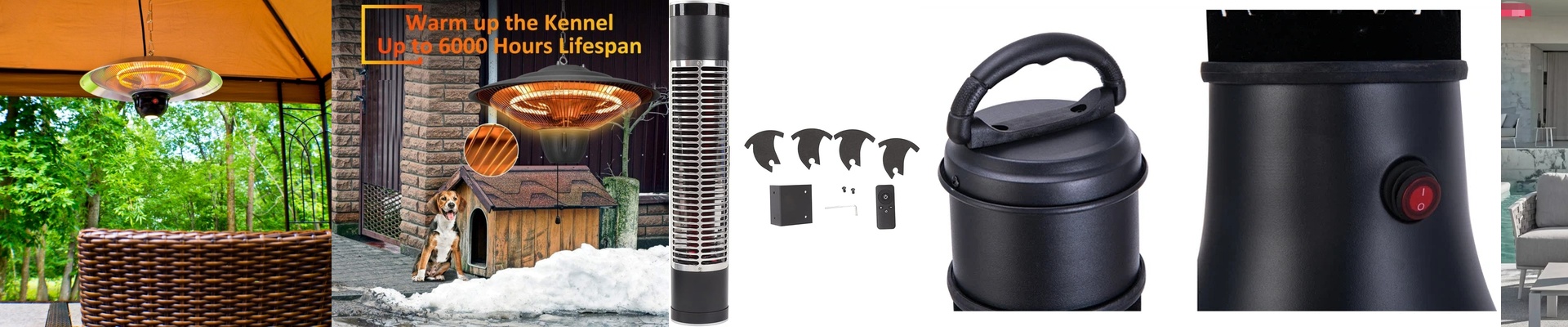
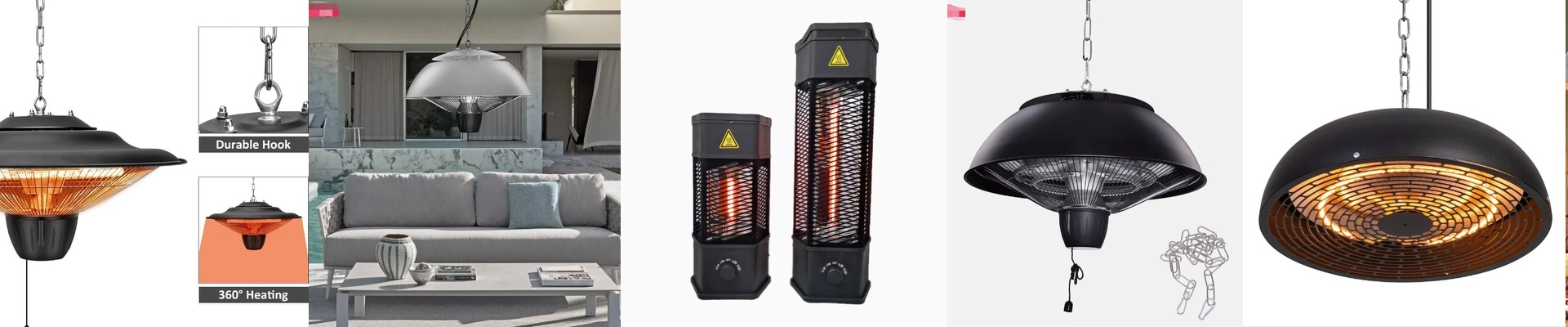
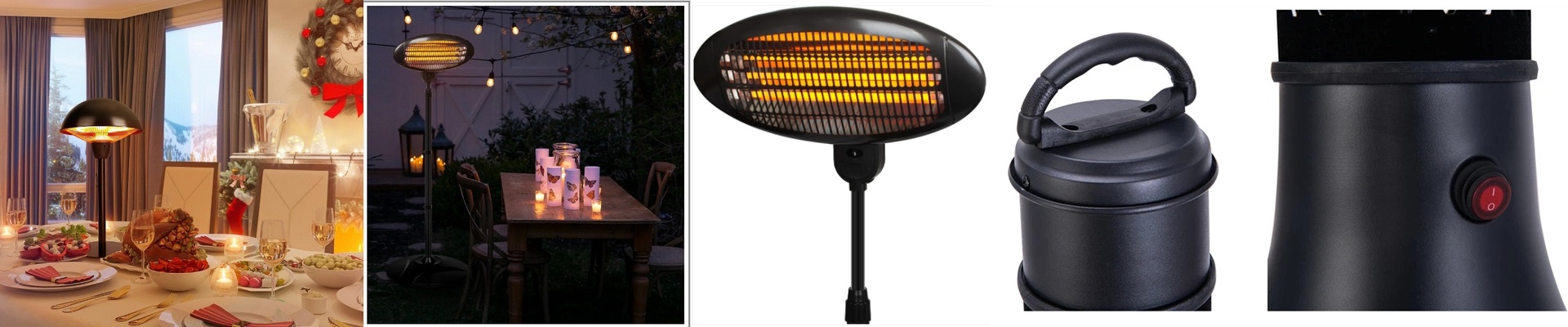
Most heaters just warm up the air, which usually just floats up to the ceiling while your feet stay freezing. Infrared is different. It hits you—and your furniture—directly. It feels more like standing in a patch of sunlight on a cold day. But the real magic happens when you stop flipping switches by hand and let your home handle the temperature for you.
Instant Warmth, No Waiting
The best part about IR heaters is that they don’t need to “warm up.” They’re hot in seconds. If you hook these up to a smart relay or something like a Zigbee controller, you can set up a “Winter Mode.” One tap on your phone or a single voice command, and you’re done. You don’t have to wait for a boiler to slowly churn through gallons of water. You just feel the heat immediately. It’s a total shift in how you experience your space.
How It Actually Works Under the Hood
You don’t need a degree in engineering to get this running, but there are three main pieces to the puzzle: First, you needsensors. A simple motion sensor or a temperature probe tells the house, “Hey, someone’s in the room and it’s freezing in here.” Then comes thebrain. Your smart hub takes that info and makes a decision. If the room is under 15°C and you’re actually in there, it sends the signal to turn on the heat. Finally, therelay. This is the heavy lifter. Because these heaters pull a lot of power, you need a high-amp relay so you don’t fry your hardware or weld the contacts shut.
The “Gotchas” You Should Know About
Now, it’s not all perfect. Since you’re relying on a network, if your hub crashes, you might be stuck in the cold. I always suggest putting in a physical bypass switch. That way, if the Wi-Fi dies, you can still turn the heat on manually. Also, keep an eye on your electrical panel. IR panels pull a lot of wattage. If you have five panels all kicking in at the exact same millisecond, you’re probably going to trip a breaker. The fix is simple: just program a “staggered start.” Have the panels turn on one by one over a few seconds. It flattens that initial power spike and keeps your lights from flickering.