Keeping Things Safe When Heat Meets Water
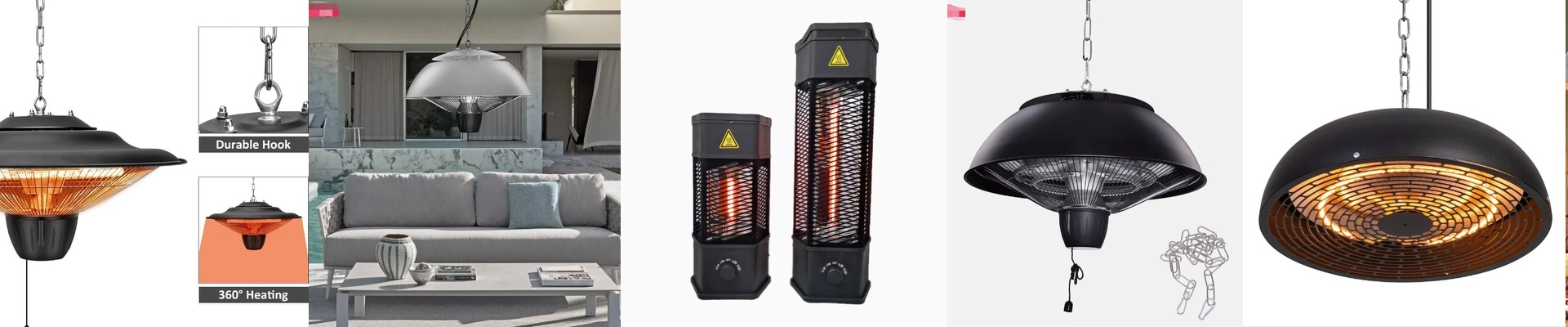
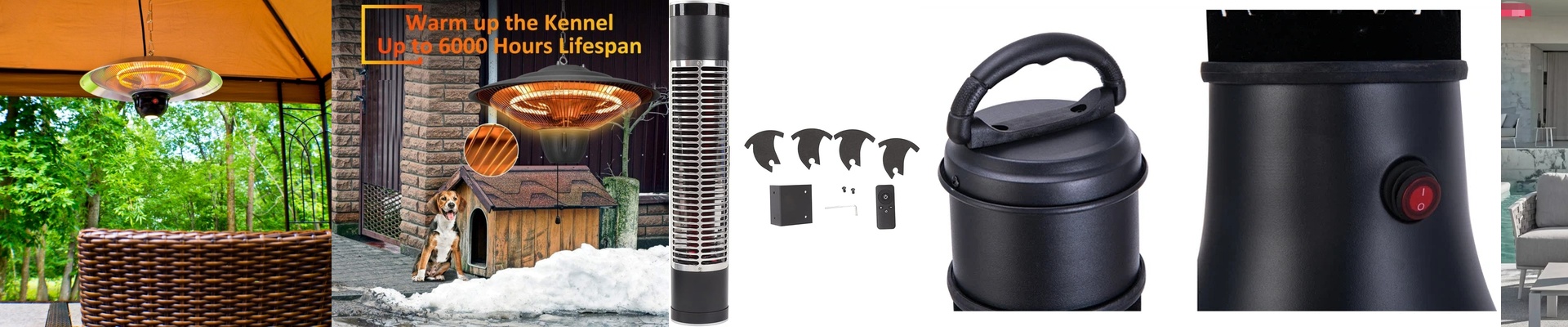
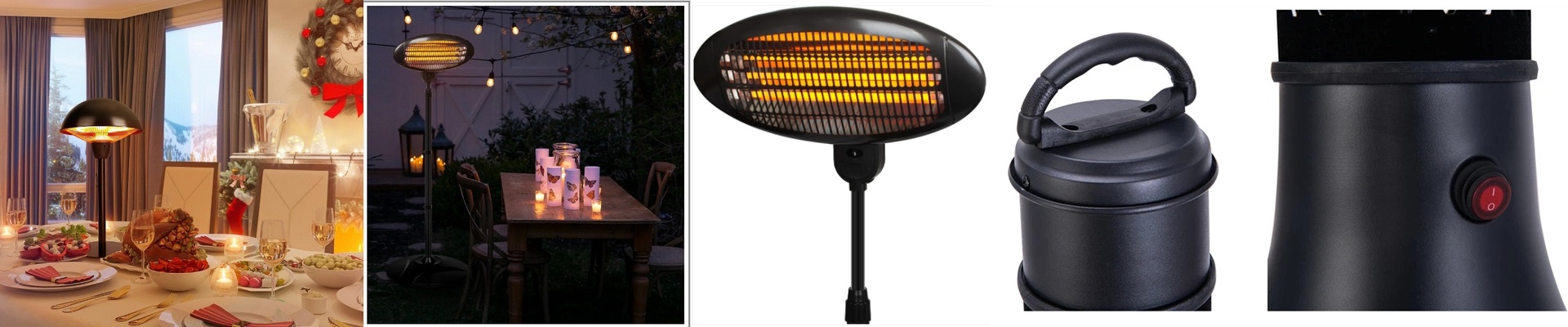
Putting infrared heaters in a bathroom or on a drafty nightclub patio is a bit of a gamble. You’ve got water vapor and electricity hanging out in the same room, and that’s usually a recipe for disaster. Standard quartz lamps just can’t hack it. They’re too fragile. One splash of water or a sudden chill and they crack, or worse, they short out the second moisture touches the terminals. That’s why we use explosion-proof quartz tubing. It’s the only way to stop the headaches. The deal with “explosion-proof” glass Here’s the thing: standard quartz is brittle. Imagine a tube sitting at 600°C. Now imagine a single drop of cold water hitting it. Snap. We use tubes with a reinforced outer layer. It’s a safety net. If the glass does break, that outer shell keeps the live current tucked away so it doesn’t leak into the environment. It keeps the circuit contained and, more importantly, keeps people safe. Dealing with steam and sweat A “waterproof” rating is great on a spec sheet, but in the real world, it all comes down to the seal. We use high-temp gaskets and connectors that actually hold up, so steam doesn’t sneak its way into your wiring. We stick with short-wave infrared radiation here. Why? Because it hits you directly. It doesn’t waste time trying to warm up the air—which is impossible on an open-air patio—it just warms you. A few things to watch out for High-wattage lamps put out a ton of heat. If you cram too many into one small fixture, you’re going to have a bad time. You might melt the housing or trip every breaker in the building. And please, don’t skimp on the cables. Make sure your wiring gauge can actually handle the constant pull of electricity. We build these things to take a beating from humidity and wild temperature swings. As long as you get the voltage and length right, they just slide right in and kill the risk of electrical arcs. One last tip: give your mounting brackets some breathing room. The tubes expand when they get hot. If they’re clamped too tight, they’ll snap under their own pressure. Give them some space to move.