Stopping the Nightmare: Keeping Wafers Clean During High-Load Heating
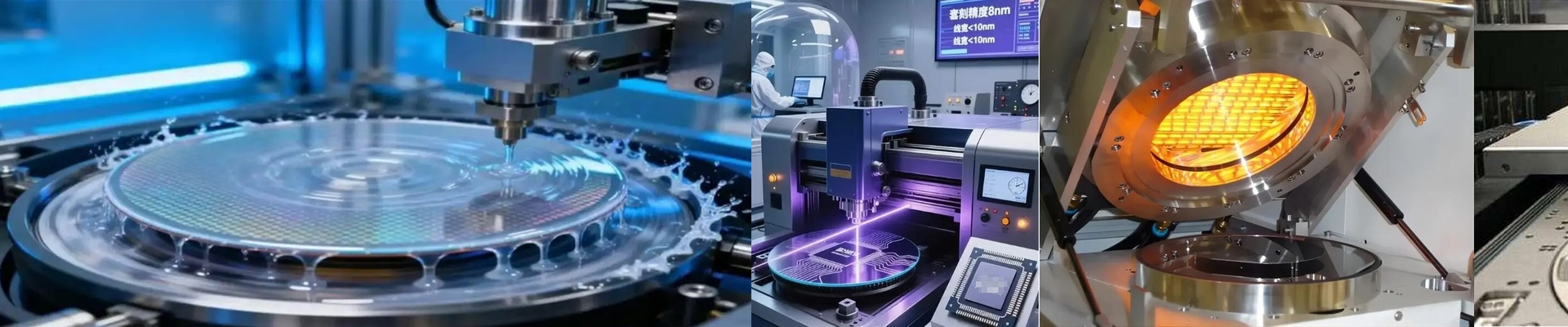
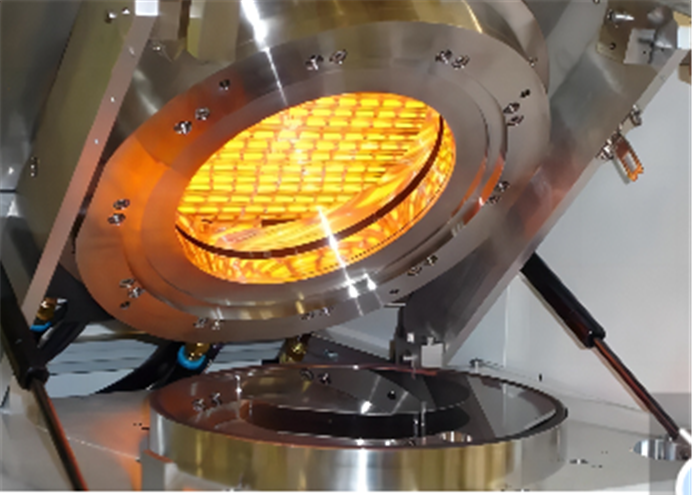
If you’ve ever worked in high-volume semiconductor production, you know the feeling. A burst infrared (IR) lamp isn’t just a broken part—it’s a disaster. Suddenly, you’re not just dealing with a dead heating element; you’re looking at a batch of wafers showered in quartz shards and halogen gas. It’s a mess. We build our IR systems specifically to make sure that doesn’t happen. Getting the gap right We don’t just guess where the lamp should sit in relation to the wafer. That’s a recipe for trouble. Instead, we look at how the quartz envelope expands when it gets hot and how that shortwave radiation actually behaves. If the lamp is too close? You get hotspots and thermal shock. Too far? Your ramp-up time slows to a crawl, and nobody has time for that. We find that sweet spot where the heat is even, but there’s still plenty of breathing room for the lamp to expand without smashing into the wafer carrier. Building in a safety net Since tubes can fail, we don’t just hope for the best. We put physical barriers in the way. We use high-purity quartz shields between the lamp and the wafer. Think of these as a sacrificial layer. If a tube cracks or burns out, the shield catches all the debris. Sure, you’ve lost a lamp, but your wafers are safe. That’s a trade I’ll take every single time. Then there’s the wall thickness. Thinner walls move heat faster, but they get beaten up during rapid cycling. We balance that thickness so the system can handle the stress of high-load cycling without the vacuum seal giving up on you. The cooling struggle Here’s the thing about high-wattage lamps: they give you the heat density you need for speed, but they put a massive strain on your cooling manifold. If your cooling air isn’t up to the task, the ends of the lamp will overheat. Once that happens, the seals fail prematurely. It’s simple: your airflow has to match your wattage. Keep those electrodes cool, and the rest of the system stays happy.