
Stop Wasting Your Heat: A Simple Fix for IR Lamps
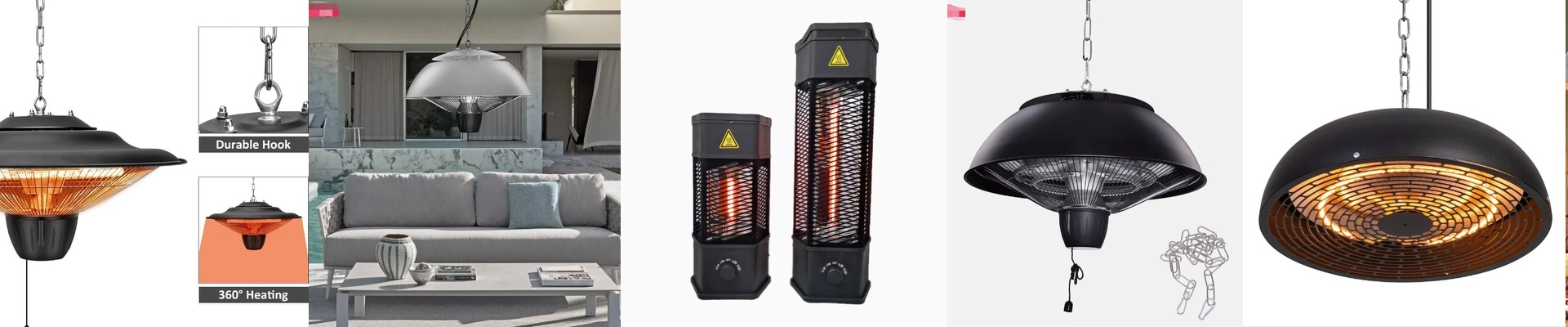
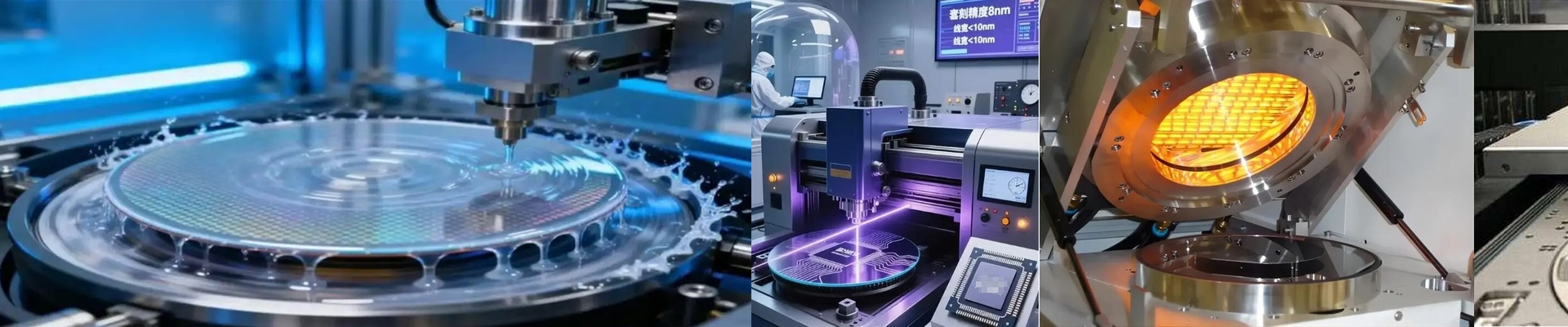
Here’s the problem with IR lamps: they’re messy. They throw heat in every single direction—360 degrees of energy just blasting away. When you’re working in semiconductor manufacturing, that’s a nightmare. If you don’t have a way to steer that heat, most of it just slams into the inside of your machine. Your chassis overheats, your components start to sweat, and your operators end up with a legitimate burn hazard on their hands. Not ideal. The trick to fixing this? Aluminum. We use high-purity aluminum reflectors to get that heat where it actually belongs. Aluminum is great at bouncing IR wavelengths back. By curving the metal into a parabolic or elliptical shape, we stop the rays from scattering and force them to converge right on the target. It turns a chaotic heat source into a precise beam. Suddenly, you’ve got a concentrated blast of heat hitting your wafer, while the rest of the equipment stays cool. The energy is physically blocked from hitting the casing, which makes everyone’s life a lot easier. A few things to keep in mind on the hardware side. We usually go with a polished or anodized finish to get the best reflection angle possible. We stick with aluminum because it can handle the constant heating and cooling of IR lamps without warping or losing its shape. But look, let’s be real—nothing is 100% efficient. The metal is still going to absorb some of that heat. If you’re cramming high-wattage lamps into a tiny space, you still need to keep an eye on your airflow. You don’t want the reflector itself to heat-soak and start causing its own problems. It’s really about safety. Using a reflector isn’t just about getting the job done faster. It’s about not having to worry. When you direct the energy properly, the outer skin of your machine stays at a reasonable temperature. You don’t have to slap on bulky insulation or run loud, oversized cooling fans just to keep things from melting. You just wire it up, line up the focal point with your workpiece, and you’re good to go. It’s a simple, mechanical fix for a frustrating thermal problem.