
Let’s Talk About Quartz Shields in Your Fab
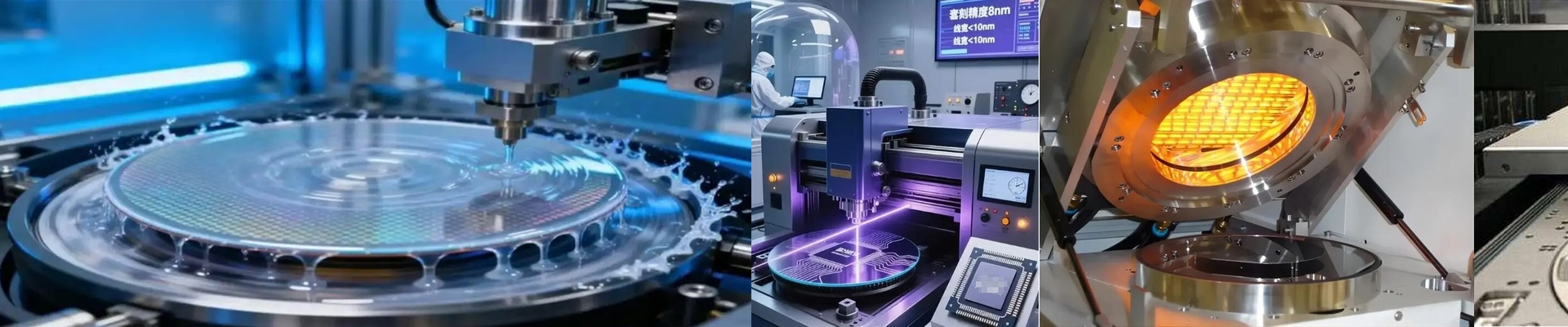
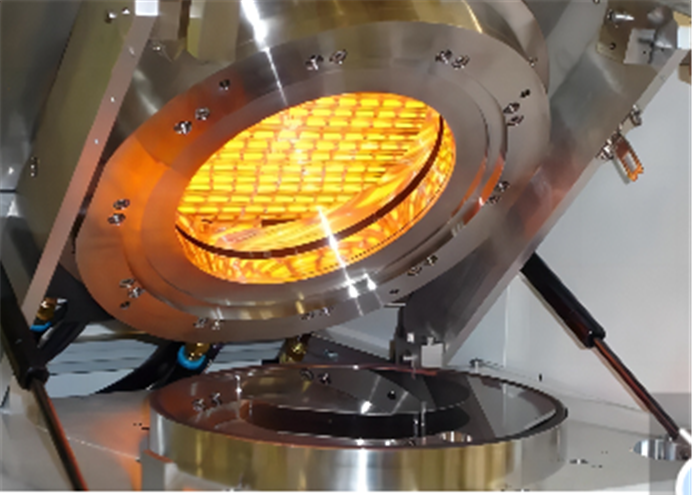
If you’re moving toward a “smart” setup in semiconductor or electronics fab, you know that thermal control is everything. But here is a detail that often gets overlooked: the quartz glass shield. Most people see it as just a cover. It’s not. It’s actually the frontline worker managing the gap between those high-wattage heating elements and your actual production line.
Why High-Purity Quartz?
We stick with high-purity fused quartz for a simple reason: it doesn’t freak out when the temperature swings. In a Fab, your lamps are cycling fast. Really fast. If you used standard glass, it would just crack under that kind of thermal shock. Quartz, on the other hand, handles the rapid ramp-ups and cool-downs without warping. Plus, it lets short-wave IR radiation slide right through. That means the heat actually hits the wafer or substrate, instead of getting trapped in the shield.
Keeping the Data Clean
When you’re running a digitized line, you need your heat flux to be consistent. That’s where the shield earns its keep. It keeps contaminants off the lamp. Because if a lamp gets dirty, you get hot spots. And hot spots are a nightmare—they cause uneven heating and eventually just burn out the filament. By keeping things clean, you get a stable thermal profile. That makes your sensors happy and gives you data you can actually trust.
The Trade-offs (And How to Avoid a Mess)
Now, quartz is chemically stable, but it’s brittle. It can shatter if a piece of debris hits it or if someone is too rough during installation. Here is a pro tip: make sure your mounting frames have enough breathing room. Quartz expands slightly at peak temperatures. If the fit is too tight, the shield will snap. Simple as that. And don’t forget about venting. If you trap that heat, you’re going to fry your wiring and connectors, and nobody wants to deal with that kind of downtime.