
Cutting Carbon in the Cleanroom: A Smarter Way to Dry Wafers
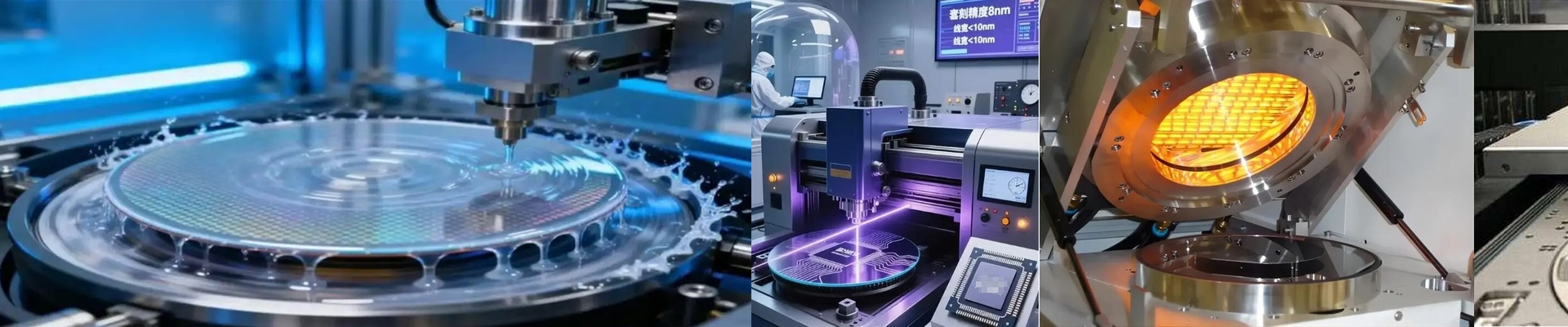
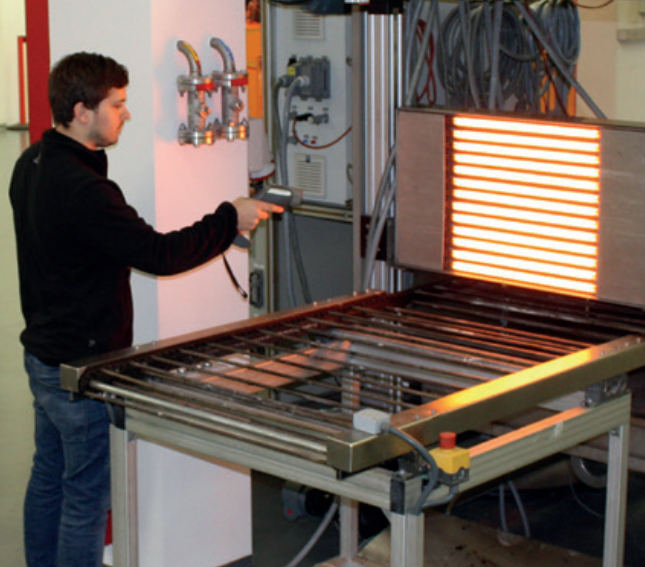
Let’s be honest—the rinse stage in semiconductor fab is usually where energy goes to die. It’s a massive power sink. For a long time, we just blasted everything with huge convection ovens, heating up the entire room just to dry a few wafers. It’s wasteful. That’s why we shifted to waterproof infrared (IR) lamps. Instead of heating the air around the wafer, we point the heat exactly where the water is. It’s a tighter, cleaner process that actually makes a dent in your carbon footprint.
Dealing with the Mess
Rinse environments are nasty. You’ve got moisture everywhere, and if a single drop hits the electrodes of a lamp, the whole thing pops. It’s an instant burnout. To stop that from happening, we use quartz envelopes and hermetic seals. They keep the guts of the lamp bone-dry while the outside handles the chaos. We use short-wave IR because it cuts right through the water layer on the wafer. The water doesn’t just dry; it vanishes in seconds.
Building a Greener Floor
If you want a factory that doesn’t kill the planet, you have to stop paying for heat you aren’t using. Old-school ovens stay hot all day, even when nothing is inside. Our IR systems are different. They’re “on-demand.” The lamp kicks in the moment the wafer hits the zone and shuts off the second it leaves. No idle heat. No wasted cash. Now, a word of caution: these things pack a punch. Because we design them for high-density output to save floor space, they gethot. Really hot. If your chassis isn’t built to move that heat away, you’ll end up warping your housing or messing with the temperature of the next station. You’ve got to get the airflow right.
Putting it to Work
The best part? You don’t have to rip out your entire line. These are basically drop-in replacements for your current drying racks. Just wire them into your PLC logic so they sync up with your conveyor speed, and you’re good to go. Since they’re waterproof, you can crank up the high-pressure rinse without sweating over splashes. Just do me a favor:**check the seals every six months.**It takes five minutes, but if a seal goes bad, the lamp fails. That kills your uptime, wastes your materials, and turns a good day into a headache.