
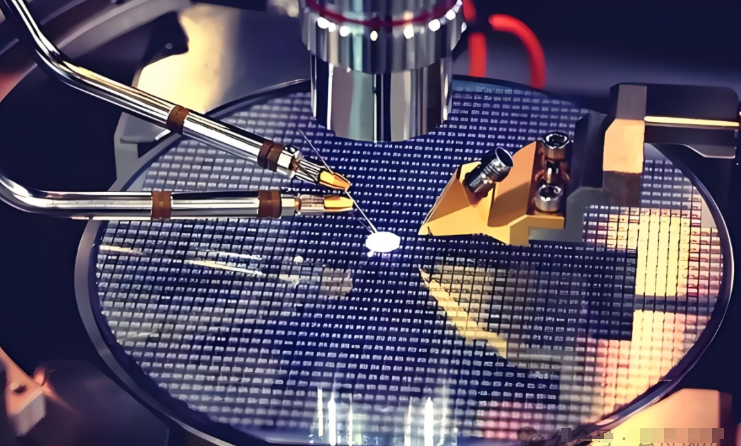
Getting Heat Right in CNT Fabrication
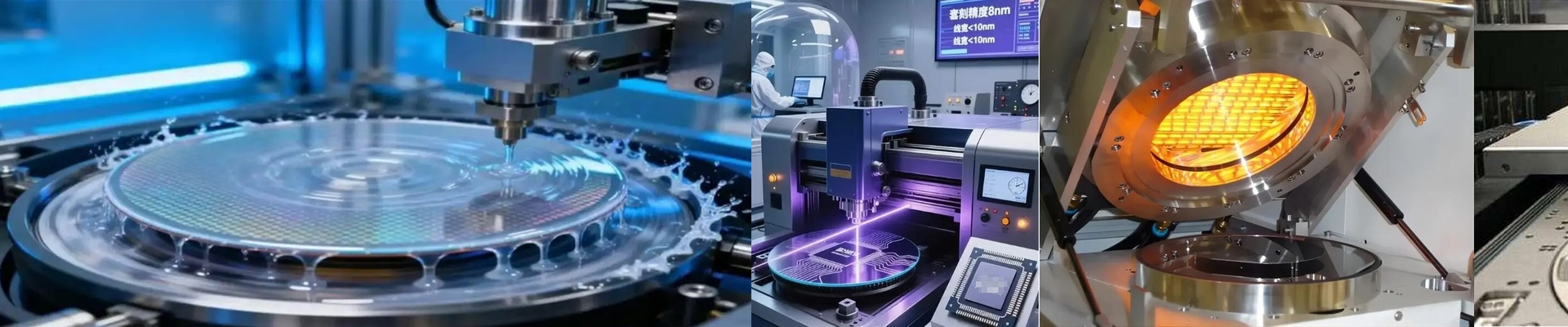
If you’re working with carbon nanotubes (CNTs), you know the struggle. You need precise heat, and you need it now. If your temperature swings even a little, or if it takes too long to react, your whole batch is toast. That’s why we’ve moved away from those clunky old resistive heaters. They’re just too slow. Instead, we use high-efficiency infrared (IR) systems. The beauty of IR is that the heat source doesn’t have to touch the substrate. It just beams the energy right where it needs to go. Stop guessing with your heat In a modern fab, waiting seconds for a heater to catch up is a lifetime. We need things to happen in milliseconds. With IR, we can actually map out exactly where the heat is landing. If a sensor picks up a “hot spot”—the kind of thing that usually ruins CNT alignment—the system just dials back the power in real-time. And here’s the cool part: we plug this into a digital twin. It lets you predict the thermal lag and tweak the ramp-up speed before your substrate even enters the zone. No more crossing your fingers and hoping for the best. Fitting it all in Space is always tight in the lab. We use short-wave IR emitters because they pack a massive punch in a tiny package. You can shrink your heating chamber down significantly without losing any of the raw heating power. Since you’re dealing with radiation rather than convection, you don’t have to worry about random air currents messing with your nanotube growth. It’s just clean, direct energy. You just wire it into your PLC-controlled power supplies, dial in your wattage, and you’re good to go. The catch (because there’s always one) Now, there is a trade-off. High-density IR arrays throw off a ton of waste heat. If you crank the emitters to the max to speed up your growth, your chassis is going to get roasting. If you don’t have a cooling system that can handle that ambient load, your sensors will start to drift and your components will burn out way sooner than they should. It’s a balancing act. At the end of the day, it all comes down to the physics: direct energy, fast cycles, and software that actually talks to the hardware. That’s how you keep your fab stable.