Making Your Workshop Heaters Actually Smart
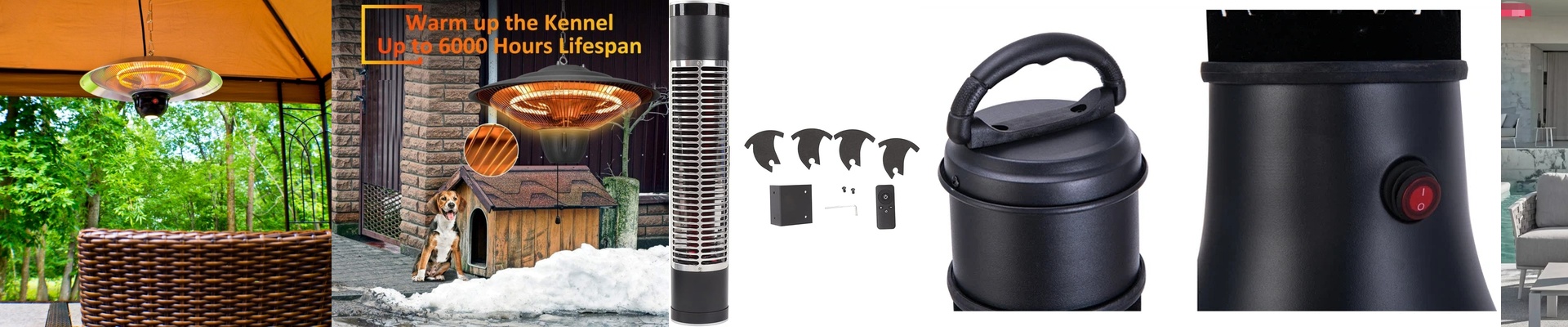
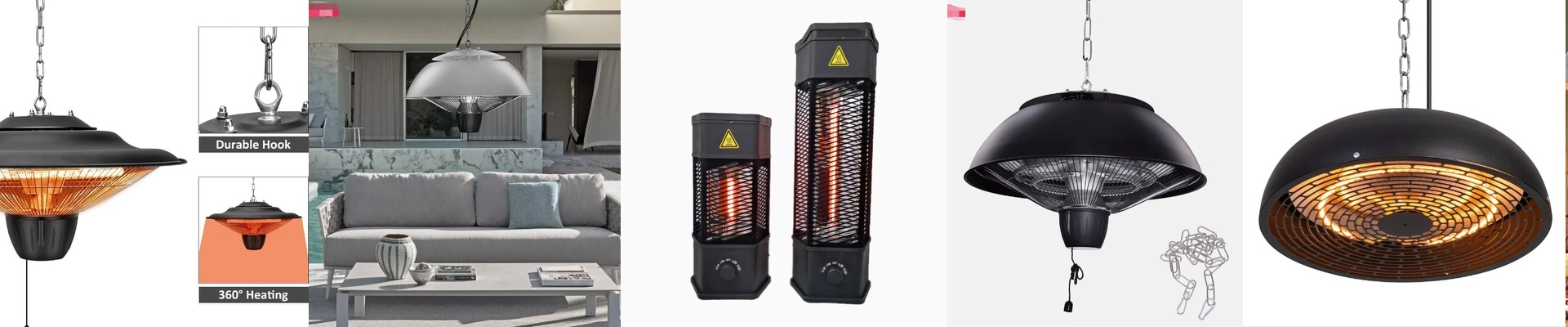
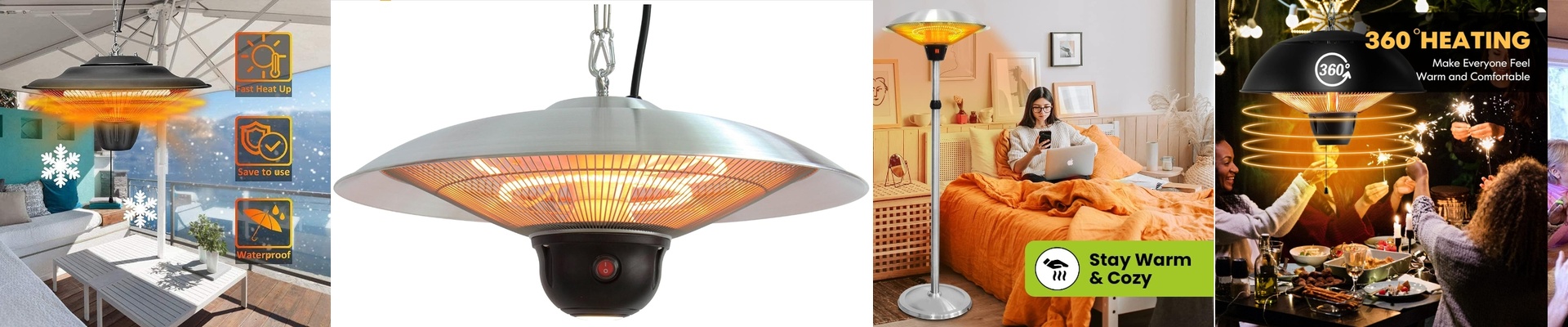
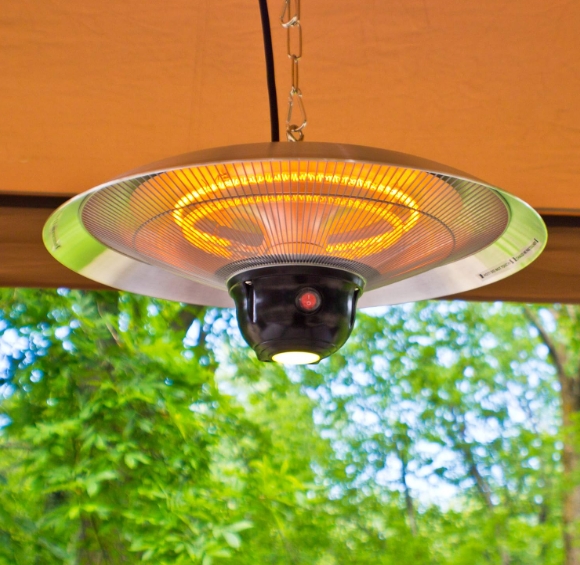
Think of ceiling infrared heaters like the sun. They don’t waste time trying to warm up every cubic inch of cold air in a drafty warehouse; they just beam heat straight down onto you and your gear. But if you’re still walking over to a wall switch every morning, you’re doing it the hard way. Connecting these units to a smart system changes the whole vibe of the shop.
How to get them talking to your phone
Here is the tricky part: these heaters pull a massive amount of power. You can’t just plug them into a cheap smart plug and hope for the best. To make “one-click” heating work, we put a heavy-duty contactor or a smart relay in the middle. Think of it as a gatekeeper. Your app or timer sends a tiny, low-voltage signal to the relay, and the relay swings the gate open to let the high-voltage power hit the heaters. It’s a lifesaver. You can trigger the heat from your driveway, so by the time the crew actually hits the floor, the chill is already gone.
Heat that actually hits
The best part about infrared is the speed. It’s almost instant. You don’t have to wait an hour for a furnace to kick in and push warm air through a maze of ducts. We usually hook these up to digital thermostats and PIR sensors—basically motion detectors. If nobody is working in the back corner of the shop, the system just shuts those heaters off. No point in heating an empty workbench, right?
A few things to watch out for
It’s not all magic, though. There are some trade-offs. Because the heat is so concentrated, you can end up with “hot spots.” If you hang the units too low or leave them on too long, it can feel like standing under a heat lamp at a buffet. You’ve got to get the wattage and the ceiling height just right so it feels comfortable, not oppressive. Also, don’t skimp on your internet setup. If your Wi-Fi or Zigbee mesh is spotty, you’ll be staring at a loading screen while you’re freezing. A stable signal is the only way to make sure every relay snaps on the second you tell it to.