


Why we stopped hard-wiring factory heaters
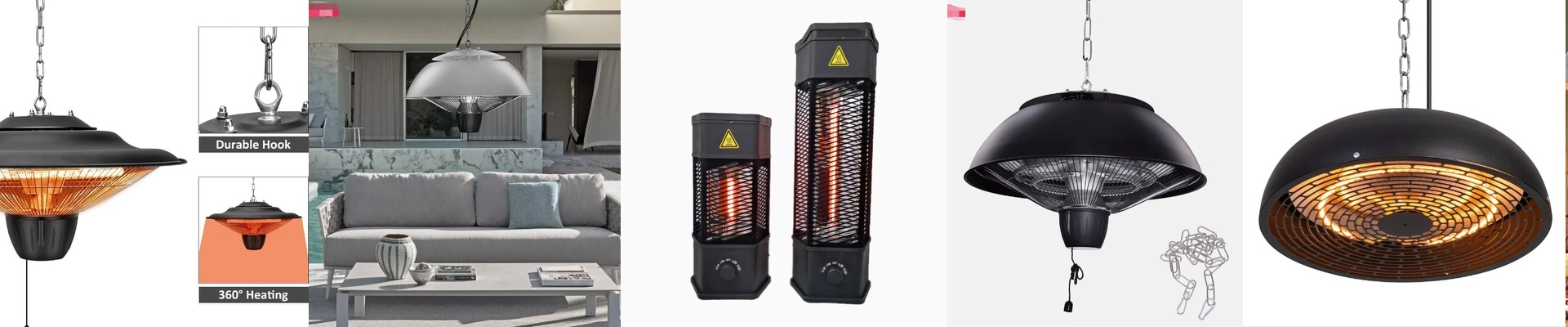
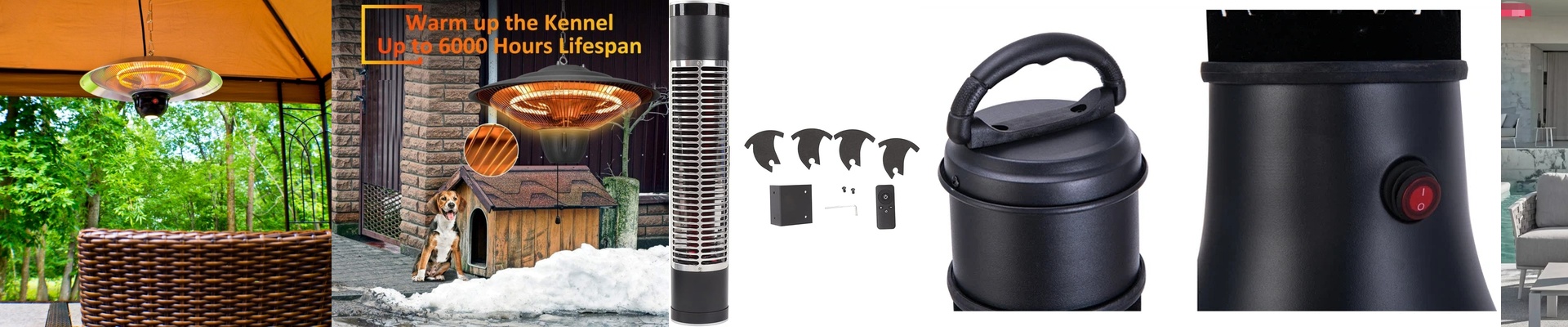
Let’s be honest: nobody likes dealing with ceiling heaters. When a heating element burns out 30 feet above a shop floor, it’s a nightmare. You aren’t just paying for a new part. You’re paying for a scissor lift rental, blocking off a section of your floor, and losing hours of production while some guy fumbles with wires in the air. It’s a massive headache. We got tired of that, so we changed how we build our modules. The “Slide-and-Swap” approach Instead of wiring every single tube directly into the chassis, we put the elements into slide-in cassettes. Think of it like a drawer. If a tube dies after five years, you don’t have to rewire the whole unit. You just pull the module out, swap the tube, and slide it back in. We also used quick-connect terminals. This means you can fix a broken element without even touching the main power lines. It turns a grueling four-hour ordeal into a fifteen-minute job.Fast. Simple. Done. The honest trade-off Now, this isn’t magic; there are a few compromises. Because of the slide-out mechanism, the frames are a bit larger than the old-school integrated units. There’s also a tiny dip in heat efficiency because of the air gap needed for the modules to move. But here’s the thing: we’d rather lose 2% of theoretical heat density if it means your plant stays running. Uptime is what actually matters at the end of the day. Real-world impact Most factory heaters are “install and forget”—until they break. By the time you actually have to touch them, the wiring is usually brittle and flaky from years of intense heat. Our setup keeps the high-heat zones away from the electrical connections. You won’t be fighting with fused wires or rusted bolts that refuse to budge. You just swap the module and get the line moving again. It makes your maintenance predictable. Plus, you don’t have to call in a specialized electrical contractor every time a tube needs replacing. You can just handle it.