Getting Your Bathroom Heat Just Right
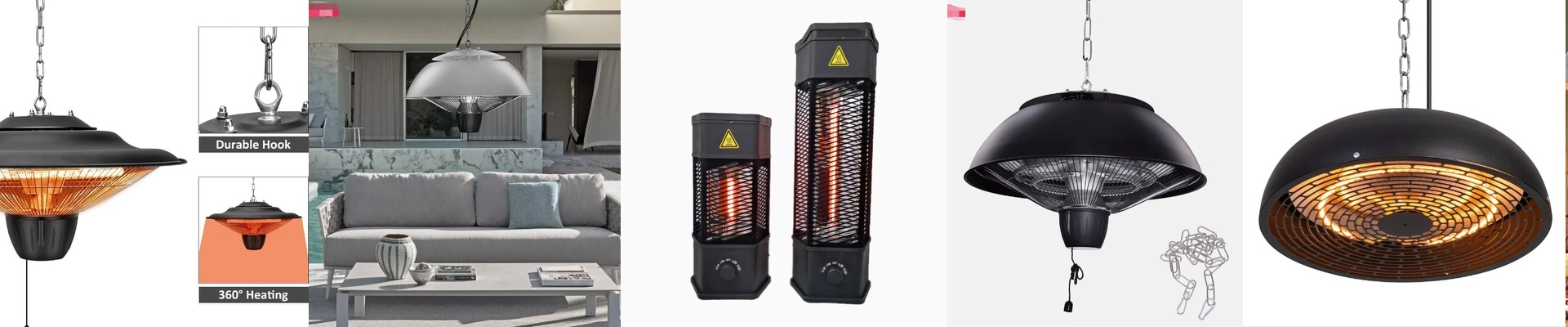
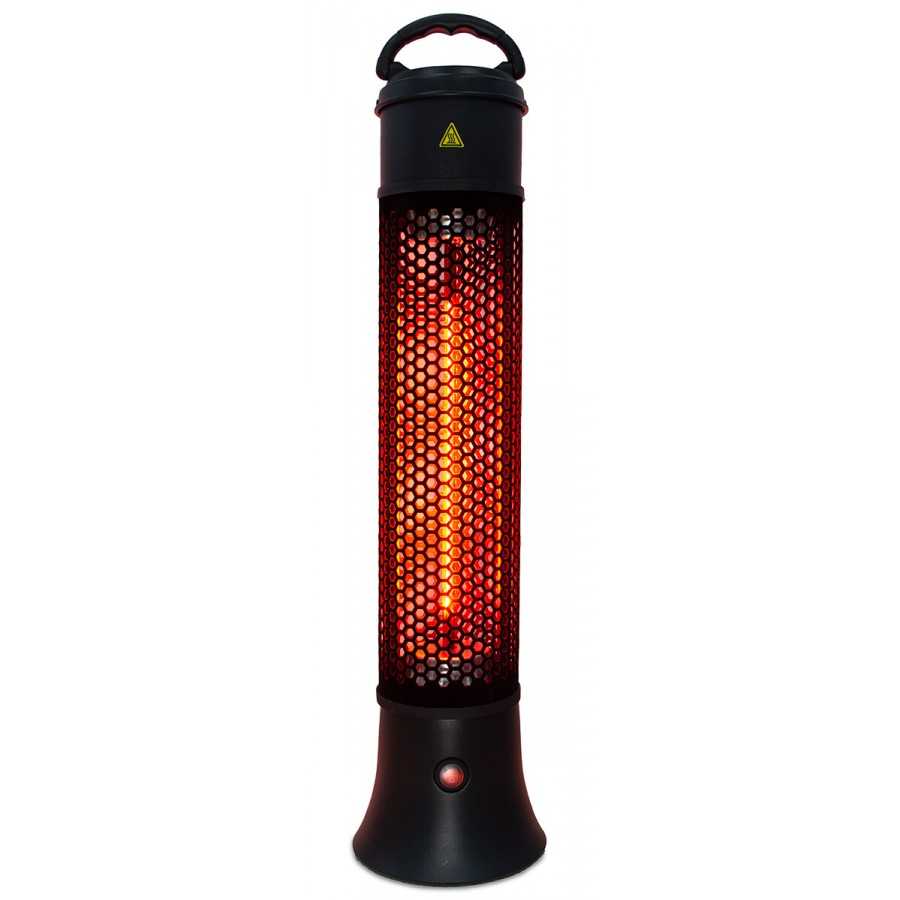
Nobody likes stepping out of a hot shower into a freezing bathroom. It’s a shock to the system. To fix that, we use short-wave infrared lamps. Instead of trying to warm up all the air in the room—which takes forever—these lamps beam heat directly onto you. It’s instant.
How much power do you actually need?
You don’t want to overdo it, but you definitely don’t want to underdo it. If you’re dealing with a tiny powder room, something in the 400W to 600W range usually does the trick. But for those big master baths with high ceilings? You’re looking at 1200W to 2000W. Here’s a pro tip: don’t go too low just to save a few bucks. If the lamp is too weak for the space, it’ll just run at full blast forever, trying to hit a temperature it can’t reach. That’s a great way to burn out your filament way faster than it should.
Spread the warmth
Wattage is important, but where you put the lamps matters just as much. If you put one massive, high-wattage lamp in the room, you end up with a “scorched earth” situation. You’ll have one spot that feels like the surface of the sun, while the other side of the room is still shivering. It’s much better to use a few lower-wattage lamps spread out. It softens the heat and makes the whole room feel cozy instead of erratic.
The electrical catch
Higher wattage means you get warm the second you flip the switch. It’s great. But it also pulls a lot of juice. If you’re living in an older home and you hook up three 800W lamps to one old circuit, you’re probably going to trip your breaker. Not a fun way to start your morning. Just double-check what your wiring can handle before you go all-in on a high-power setup. A smart way to handle this is with a stepped setup. Mix a few low and high wattage lamps and put them on a multi-stage switch. That way, you can crank it up in the dead of winter and dial it back when it’s mild out. Your electric bill will thank you.