Cutting Carbon in Chip Making with Smart IR Heating
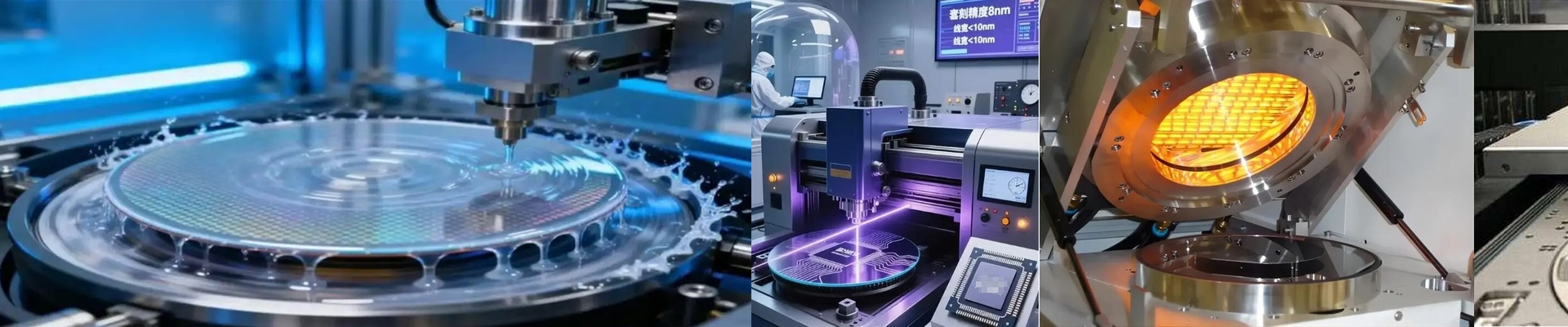
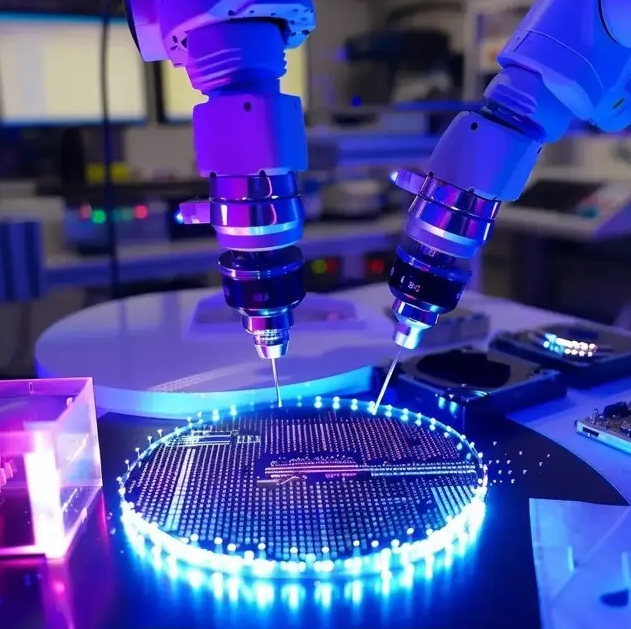
Let’s talk about semiconductor packaging. It’s a delicate balancing act. You need enough heat to cure adhesives and bond components, but if you push too far, you fry the silicon dies. Most of us are still relying on old-school convection ovens, but honestly? They’re energy hogs. That’s why we’re moving toward smart infrared (IR) lamps. The goal is pretty simple: stop wasting electricity while the machine just sits there idling. Stop heating the air Think about a standard oven. It heats up the entire chamber—the air, the walls, everything. It’s a massive waste of kilowatts. Smart IR is different. It targets the substrate directly. By using short-wave emitters, the energy goes straight into the packaging material. No more waiting minutes for the air to warm up; we’re talking seconds. It’s fast. Really fast. And that means a much smaller energy footprint for every wafer that rolls through. No more guessing games We’ve added closed-loop sensors to the mix so you don’t have to worry about overshooting your temperature. Here’s how it works: the second the sensor sees the package hit its “soak” temperature, the system throttles the power. You aren’t just crossing your fingers and staring at a timer. You’re reacting to what’s actually happening in real-time. It saves your components from burning out and keeps your power bill down. One thing to watch out for Now, there is a catch. High-intensity IR lamps put out a lot of heat in a very small space. If you don’t get your venting and cooling fans right, that heat can drift back into your smart controller. If that happens, your relays and capacitors will give up the ghost way sooner than they should. You’ve got to make sure the chassis can breathe. Hitting those “Green” goals At the end of the day, switching to targeted IR heating just drops the total kWh per unit. For a high-volume fab, this is probably the quickest way to actually move the needle on carbon neutrality. You can ditch those long pre-heating cycles. You just wire it up, set your profile, and the system only sips power when the part is actually under the lamp. It’s just a smarter way to work.