Stop Heating Your Machine Walls
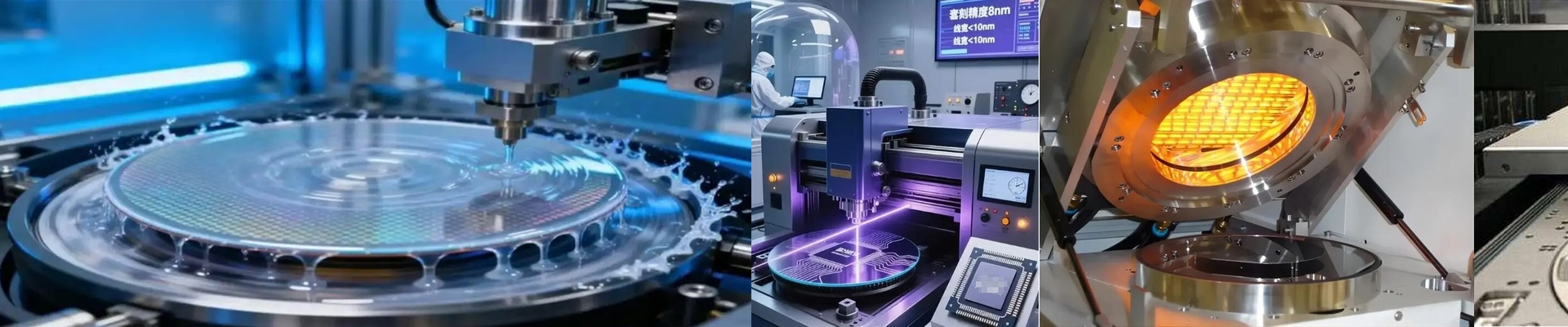
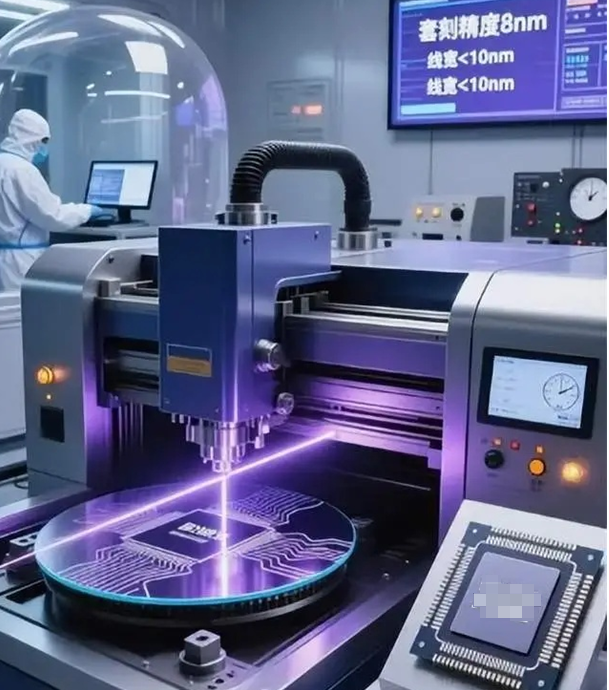
If you’ve ever worked with semiconductor equipment, you know the struggle. You need the inside of the tool to be hot, but you don’t want the entire chassis turning into a giant radiator. Standard convection heaters are basically just heat bombs—they throw energy everywhere. That means your operators get burned, and your process temperatures start drifting because the machine itself is soaking up all the heat. It’s a massive headache. But there’s a better way to do it. The trick is using directional infrared (IR). Think of it like a flashlight instead of a lightbulb. While hot air just drifts around, IR radiation moves in a straight line. We use short-wave emitters that aim right at the wafer or substrate. The magic here is that the energy ignores the air and goes straight into the object. You can have a scorching process zone in the middle, but the walls of the machine stay cool to the touch. You stop wasting power on the metal frame and put the energy exactly where it needs to be. Keeping it clean When you’re in a cleanroom, you can’t just throw any heater in there. You have to worry about particles and outgassing. To keep things pristine, we stick with high-purity quartz envelopes and halogen-filled tubes. We can tweak the wattage and voltage to fit your specific footprint. If you need things to ramp up fast, high-density tubes are the way to go. Just a heads-up: make sure your power supply can handle that initial surge, or you’ll have a different kind of headache on your hands. The “Catch” (and how to fix it) We’ve designed these to be drop-in replacements, so the wiring is fast and straightforward. But I’ll be honest with you—this isn’t a magic wand. Precision is everything. If your reflector is dirty or just a few degrees off, you’ll end up with “hot spots” on your equipment walls. You have to get the geometry exactly right for your target. If the angle is off, the heat misses the wafer and hits the wall instead. Once you nail that alignment, though, everything changes. Your technicians aren’t risking burns, and your thermal profile stays rock solid. It’s just a simpler, smarter way to handle heat.