

Stop Waiting on Your Oven: Why IR Beats Forced Air in Semi Processing
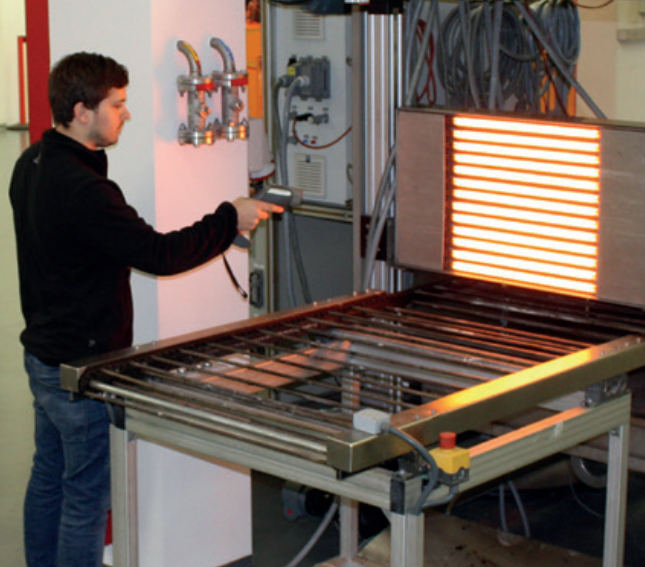
I’ve noticed a lot of semiconductor shops finally trying to ditch the old-school hot air circulation. The problem with those forced-air systems is that they’re slow. You’re basically trying to heat up every single cubic inch of air in the chamber before the workpiece even notices a difference. It’s a slog. You spend half your time just waiting for the temperature to climb. IR heating is a different beast. Instead of warming up the air, infrared just beams energy straight into the substrate. It’s like the difference between waiting for a room to warm up and stepping into direct sunlight. Your ramp-up time goes from minutes to seconds. That’s huge. It means you can push way more wafers through your cycle every hour without having to buy more floor space for extra machines. But you can’t just throw any wiring in there. When you’re dealing with that kind of heat density, standard PVC or silicone insulation is basically kindling—it’ll burn out or degrade almost instantly. That’s why we stick with Teflon-coated wiring. It handles the heat without breaking a sweat, which lets us tuck the wiring closer to the emitters and keep the whole assembly tight and compact. Now, I’ll be honest: it’s not a magic wand. Radiant heat travels in a straight line. If your parts have weird shapes or deep pockets, you’re going to hit “cold spots” where the IR waves just can’t reach. You have to be obsessive about where you place your lamps and how you angle the reflectors to get everything heating evenly. If you’re an engineer looking at this, the speed and energy savings are hard to ignore. Just a heads-up: check your power supplies. IR lamps hit with a much harder initial current surge than those slow-and-steady resistive heaters. Get your power sorted and use those high-temp Teflon leads, and you’ve pretty much killed off the biggest failure point in your heating circuit.