
Stop Cooking Your Vacuum Chamber
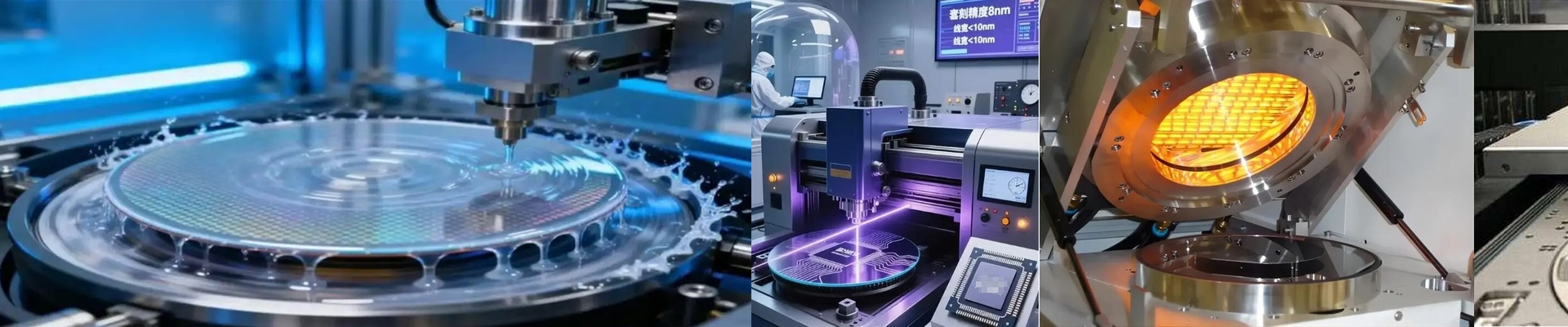
If you’ve ever tried to heat a wafer or substrate inside a vacuum chamber, you know the struggle. It’s a constant fight to get the target hot without accidentally baking the chamber walls. Standard IR lamps are basically lightbulbs on steroids—they throw heat in every single direction. In a tight vacuum setup, a huge amount of that energy just bounces off the inner walls. Not only is that a waste of power, but it’s a nightmare for the hardware. Plus, it makes the outside of the machine dangerously hot for anyone standing nearby. The trick is getting the heat to go where you actually want it. Instead of just using a bare quartz tube and hoping for the best, we use specialized reflectors and coated emitters. Think of it like switching from a floodlight to a flashlight. We squeeze the infrared radiation into a tight, focused beam. The result? Your substrate gets the heat it needs, and the chamber walls stay chilled. Simple. The gear and the trade-offs To get those temperatures to climb quickly in a vacuum, we usually go with high-wattage halogen lamps. They provide that shortwave radiation that makes ramp-up times feel almost instant. We wrap them in heavy-duty quartz so they don’t crack under the thermal shock. But here’s the catch: you have to be careful with power density. When you focus that much juice into one tiny spot, it puts a real strain on your power supply. And your alignment has to be spot on. If your lamp is off by even a couple of millimeters, you aren’t hitting your target anymore—you’re just heating up your expensive hardware. Keeping things safe This isn’t just about saving a few bucks on the electric bill. It’s about not burning your hands. When you stop the heat from spraying everywhere, the outer casing stops acting like a giant radiator. Your operators can actually move around the machine without worrying about burns. And there’s a hidden bonus: since the walls aren’t overheating, they don’t expand and contract as much. That means your vacuum seals stay tight and you aren’t chasing leaks every other week.