Putting Infrared Heaters in Wet Zones: What You Actually Need to Know
If you’re planning to put heaters in a pergola or a bathroom, you’ve got one main enemy: water. Most standard infrared lamps just can’t hack it in these spots. They don’t just burn out or short circuit—they can actually shatter. Imagine a glowing hot element getting hit by a stray drop of cold water. That sudden temperature shock is what causes the glass to pop. Not exactly the vibe you want for a relaxing shower or a cozy evening outside.
Why “Explosion-Proof” Quartz Matters
To stop that shattering, we use specialized explosion-proof quartz glass. Here is the thing: normal quartz reacts poorly to “cold spots.” If a drop of water hits one tiny area of a hot tube, the glass stresses out and cracks. It’s physics, but it’s a huge pain. Our tubes are built differently. The glass composition and the wall thickness are tweaked so they can handle those wild temperature swings without breaking. Because if a tube snaps in a wet area, you’ve got live filaments exposed. That’s a nightmare scenario you just want to avoid.
Keeping the Guts Dry
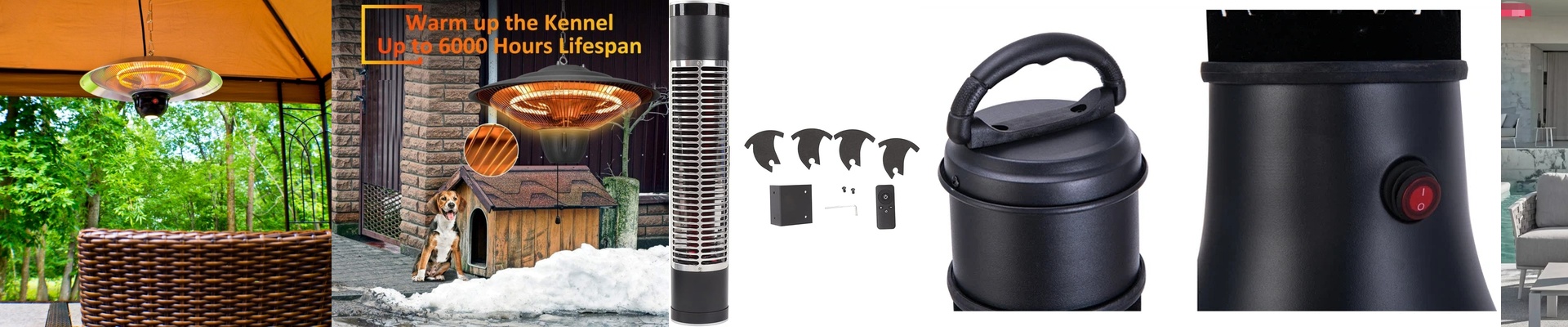
The heating element lives inside a high-purity quartz sleeve, but the real magic is in the seals. We use heavy-duty, high-temperature adhesives and gaskets to hermetically seal the end-caps. This keeps the halogen gas inside where it belongs and keeps the steam and moisture out. Also, keep an eye on the IP rating of the housing. You’re looking for IP65 or higher. That ensures that while the quartz tube is doing the heavy lifting with the heat, your electrical connections stay dry and safe from spray.
A Few Trade-offs to Keep in Mind
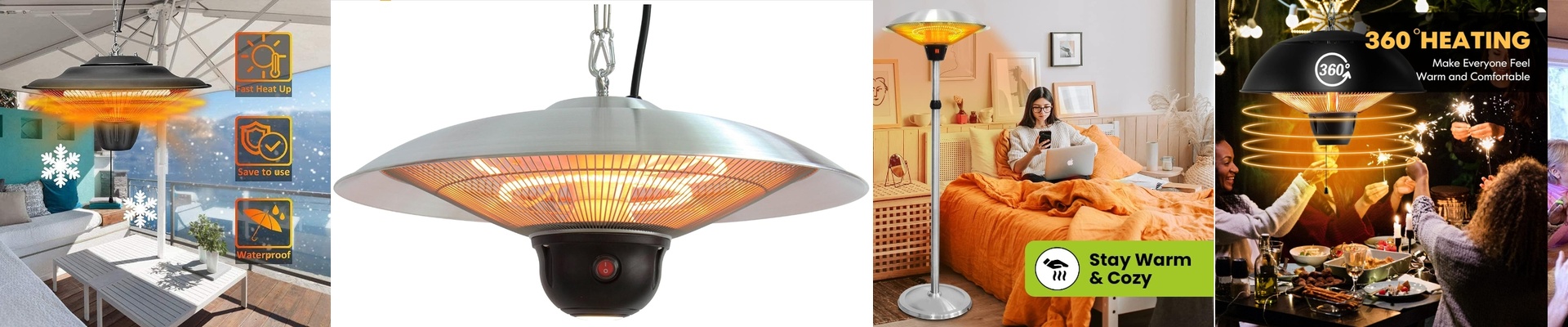
The best part about these lamps? The heat is instant. No waiting around for a coil to warm up—you feel it the second you flip the switch. But there’s a catch. Because quartz gets so incredibly hot, you can’t just mount it to anything. If you use cheap plastic brackets, they’ll warp and melt within a month. Stick with stainless steel or aluminum heat sinks. They can handle the constant heating and cooling cycles without breaking a sweat, which keeps the whole setup safe and sturdy.